

TAVOLARA 

SAVE THE CORALS

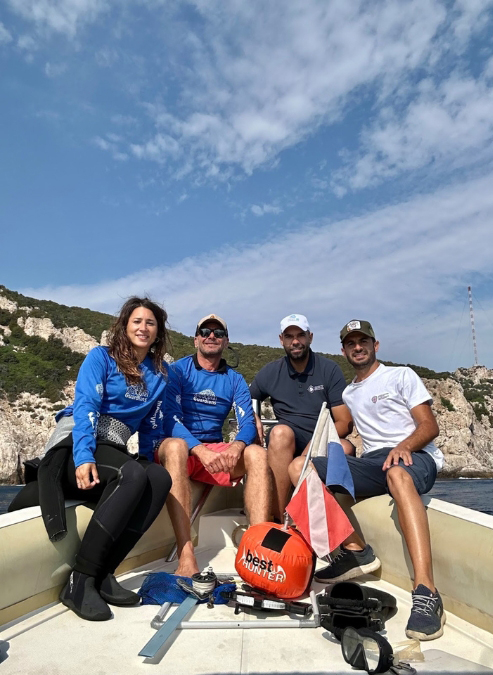
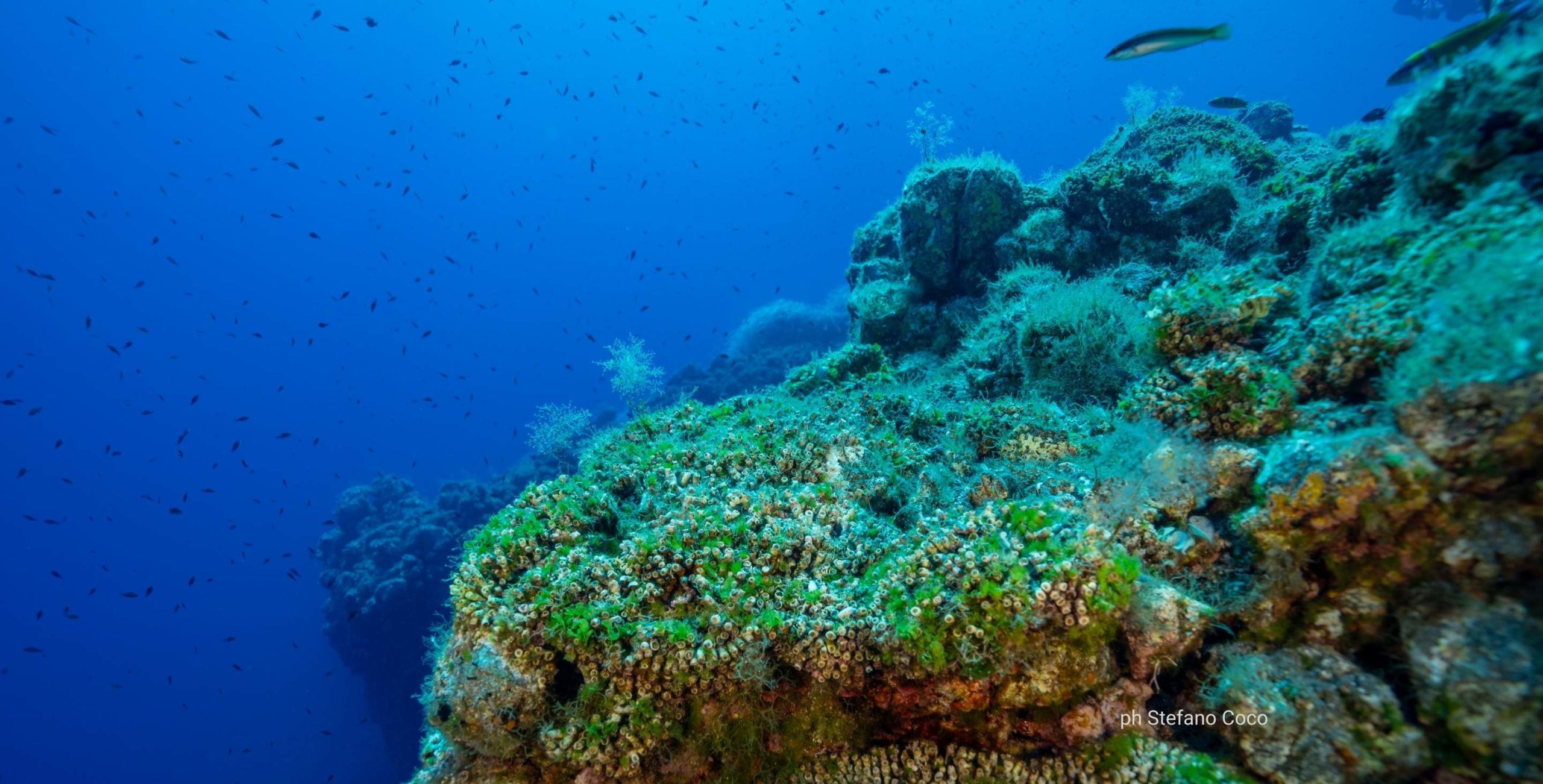
Following the pilot project launched in Ustica, the Cladocora caespitosa protection network is expanding. MedCoralGuardians is now arriving in Sardinia, in one of the Mediterranean’s most stunning settings: the Tavolara–Punta Coda Cavallo Marine Protected Area.

WHERE DOES THE PROJECT TAKE PLACE
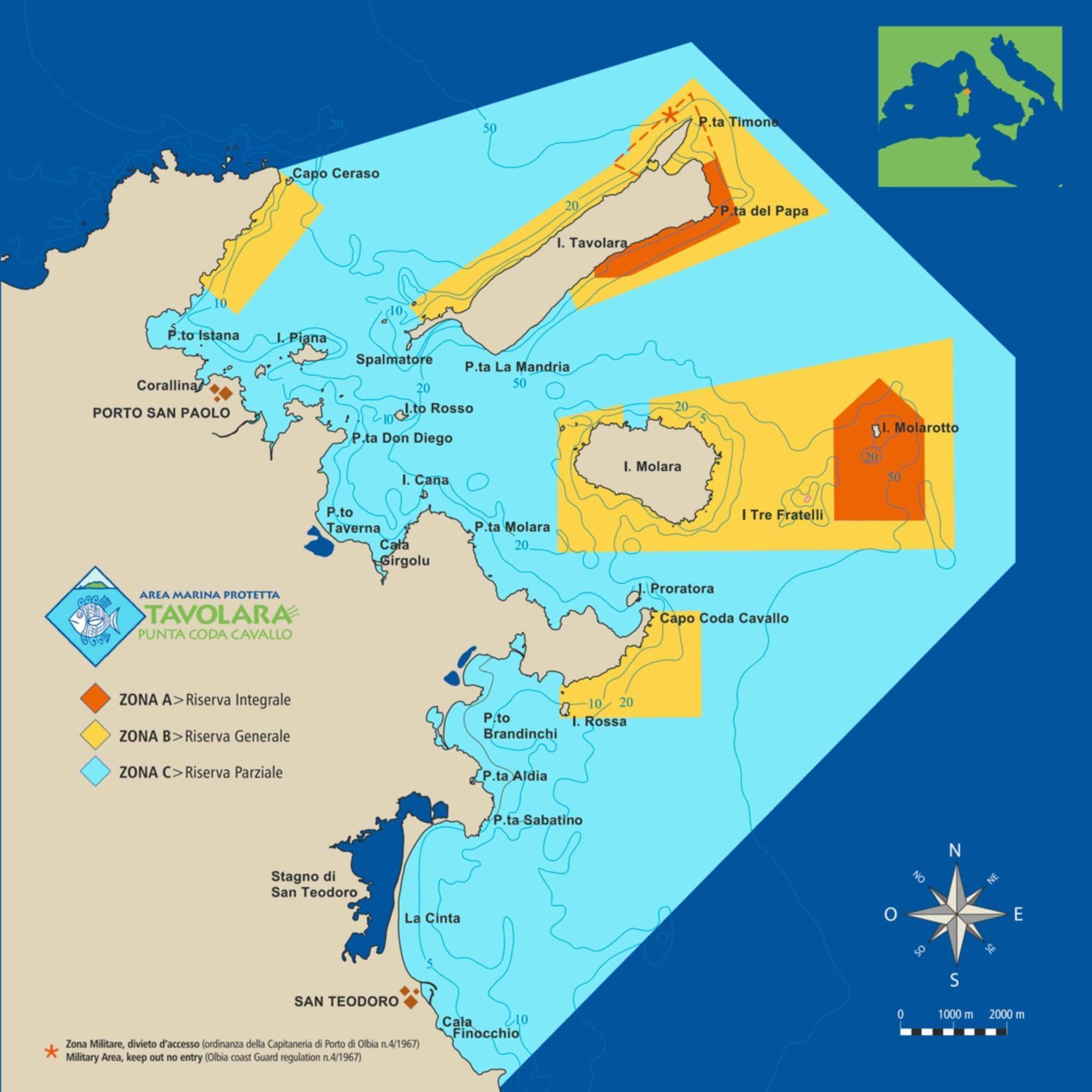
Project activities take place in the crystal-clear waters of north-eastern Sardinia, in a seascape dominated by Tavolara Island. The Marine Protected Area (MPA) is divided into zones with increasing levels of protection (Zone A: Full Reserve, Zone B: General Reserve, and Zone C: Partial Reserve).

The MPA is split into three areas, each with specific rules designed to protect the ecosystem and support a balanced relationship between people and nature.

Zone A: Full Reserve – This is the highest-protection area, where nature is allowed to recover without interference. All activities are prohibited, and access is permitted only for operational needs and authorised scientific research. This is also where the MedCoralGuardians team studies colonies in their most strictly protected habitat.

Zone B: General Reserve – This is the “buffer zone” surrounding the full reserve. Low-impact activities such as swimming and guided scuba diving are allowed, under strict regulation and only through authorised centres. These are the waters where large Cladocora colonies coexist with divers who, through the project, learn to recognise and protect them.

Zone C: Partial Reserve – This is the transition belt where human activities—such as recreational fishing and boating—are allowed but regulated to ensure sustainable use of resources. Our monitoring is active here too, showing how biodiversity can thrive even in more heavily used areas when they are managed with care, good science, and respect.

This project protects not only Cladocora caespitosa, but the entire ecosystem it helps build—and it can be replicated in other areas of the Mediterranean.

Project phases
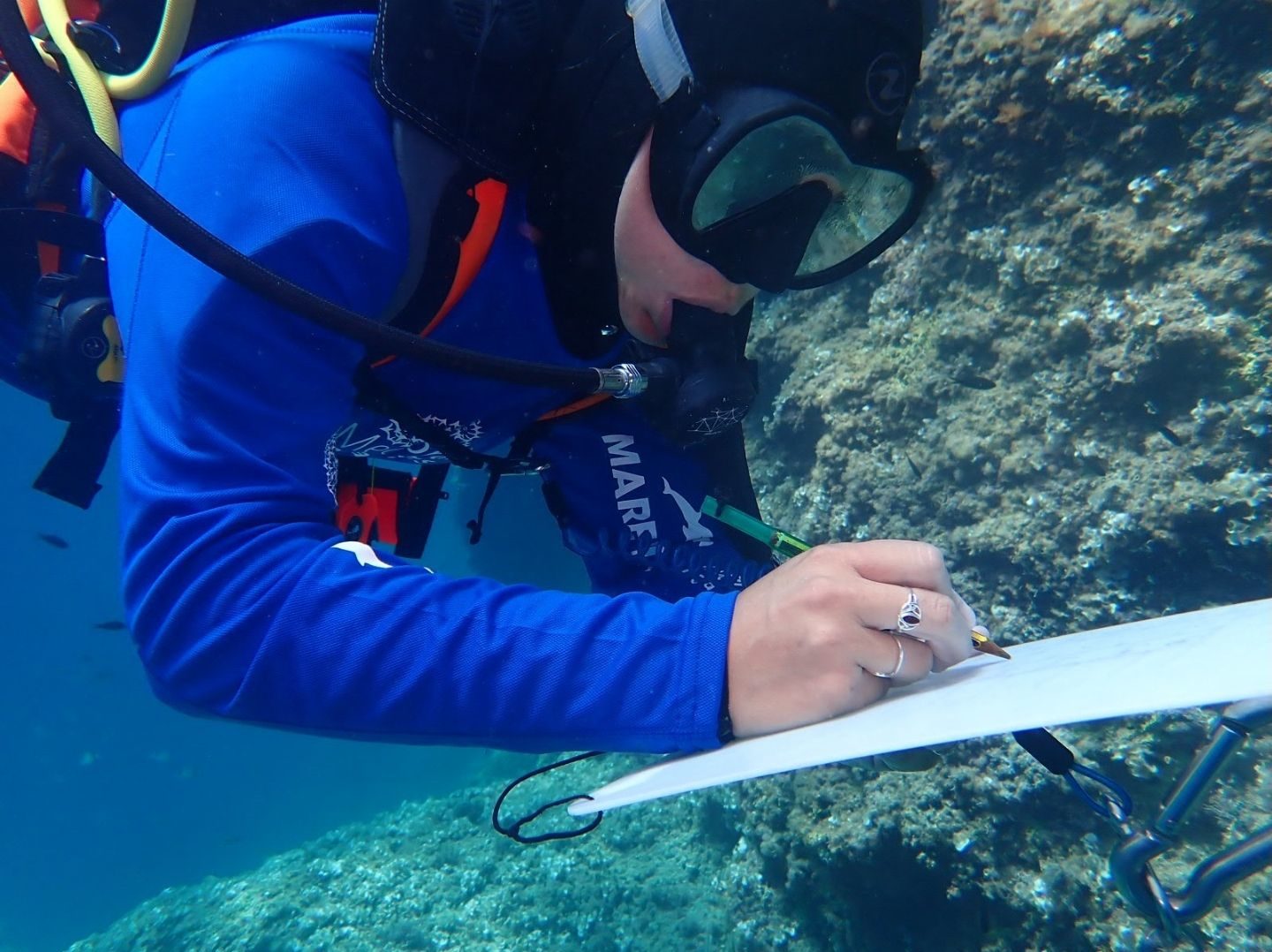
Monitoring
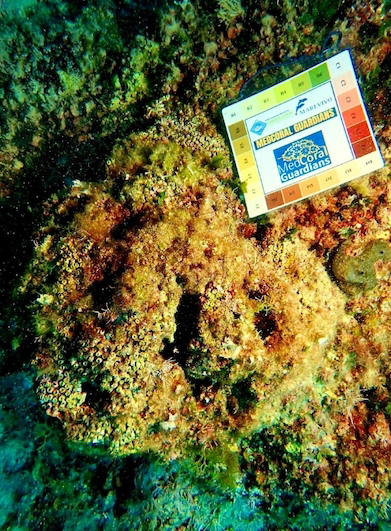
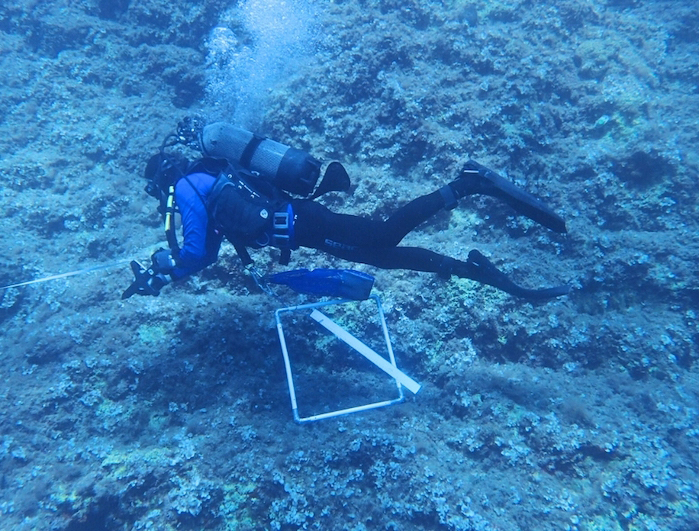
The heart of the project is field-based research to assess the health of Cladocora caespitosa, the Mediterranean’s most important reef-building coral. Scientific work in Tavolara is structured in two phases:

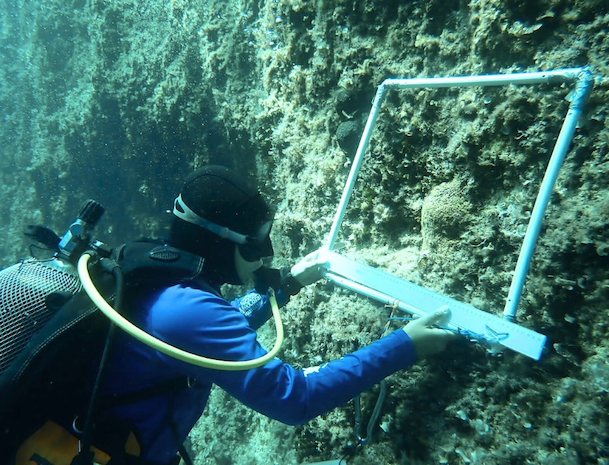
Colony density assessment: by installing linear transects, our biologists survey and count colonies to map the species’ distribution and size across the seabed.

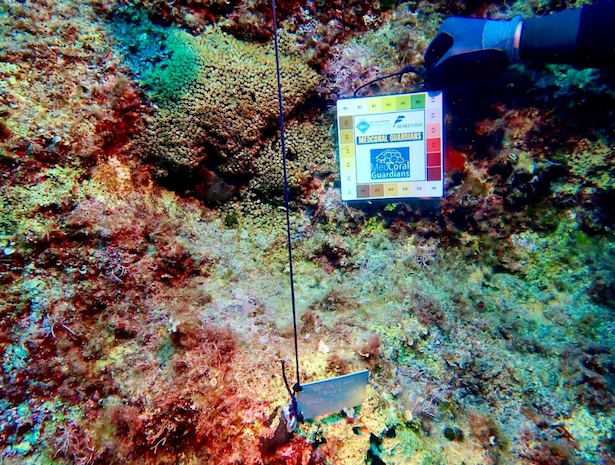
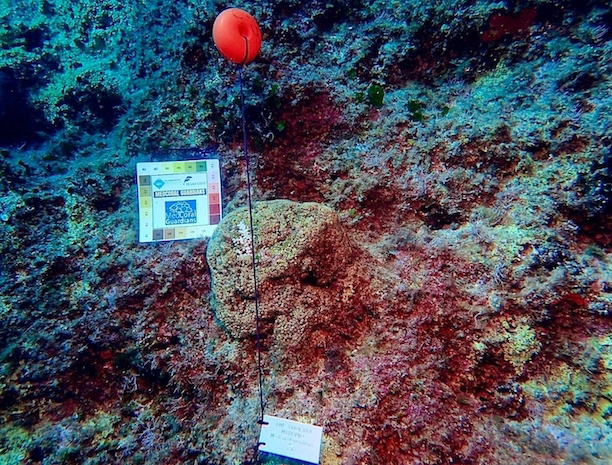
Bleaching study: specific “sentinel” colonies have been selected and marked with dedicated identification tags. This allows us to track them over time and, through seasonal photographic comparisons, detect and assess any bleaching events driven by direct solar radiation and rising sea temperatures.

Educazione Ambientale e Citizen Science

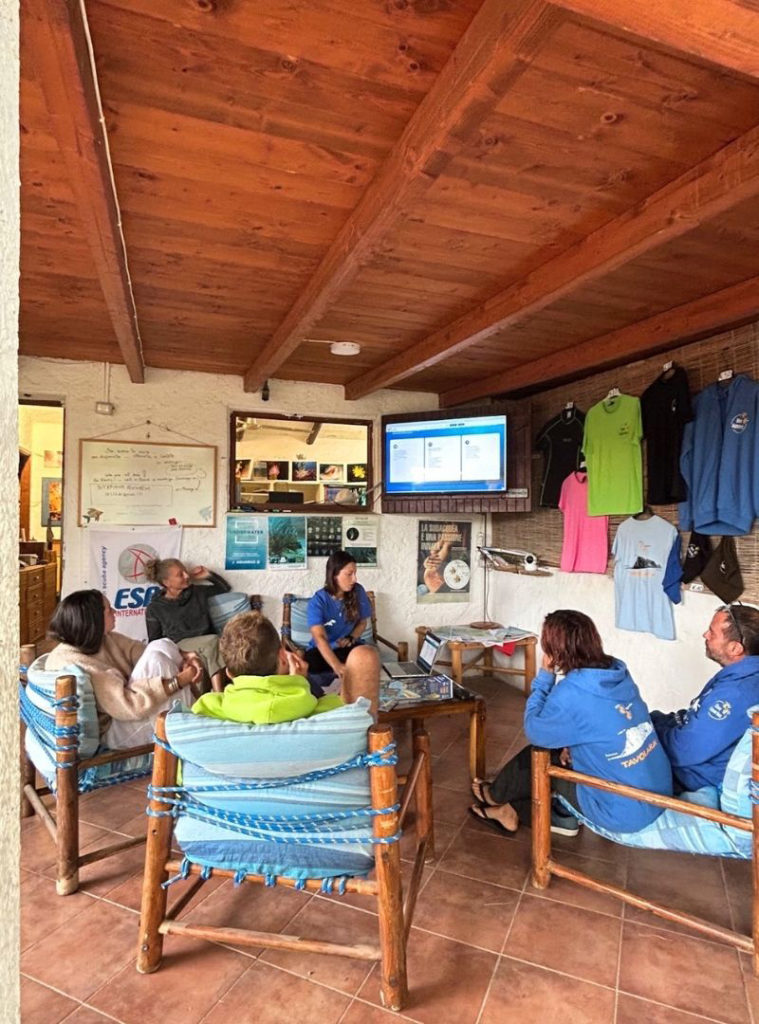
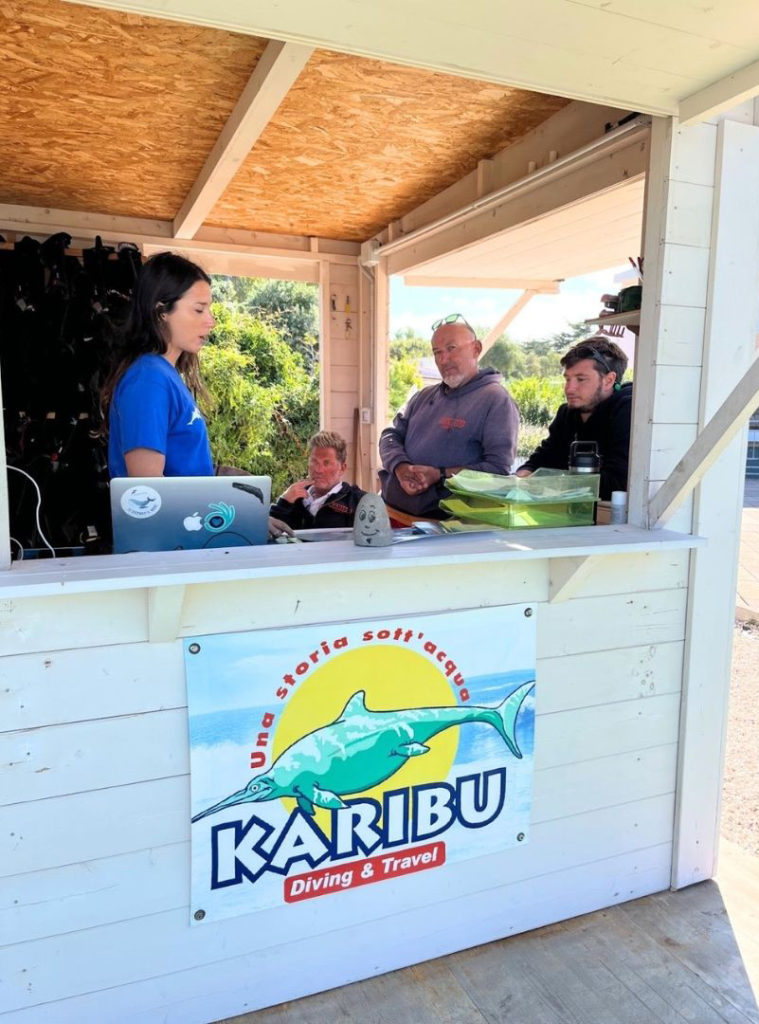
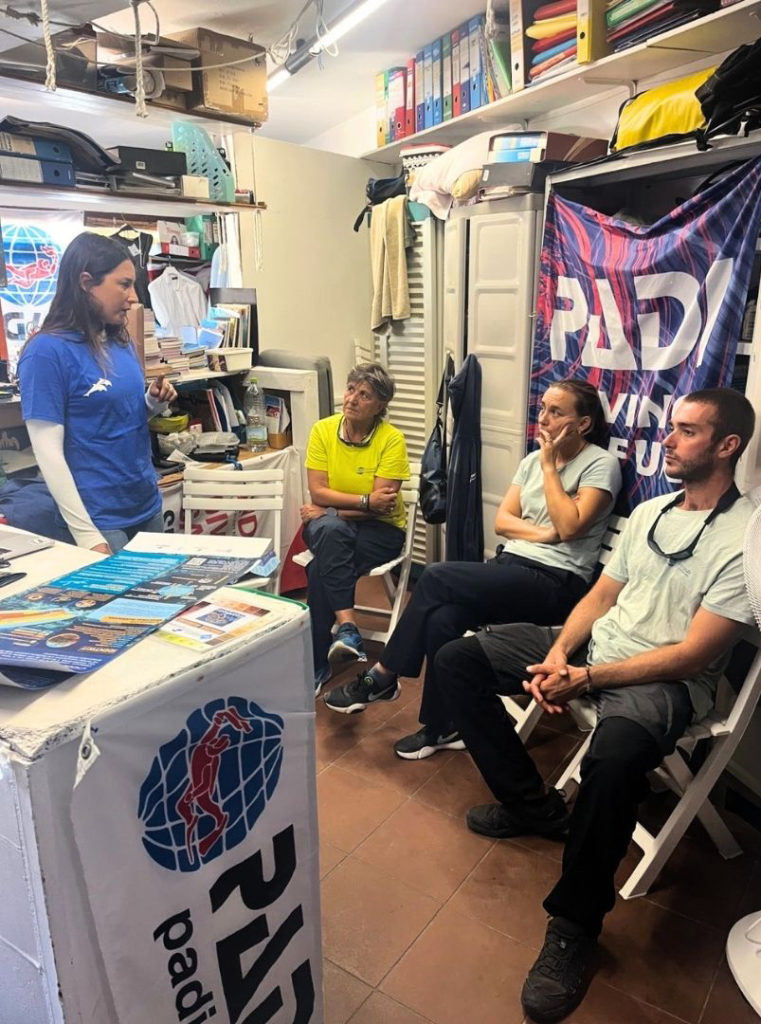
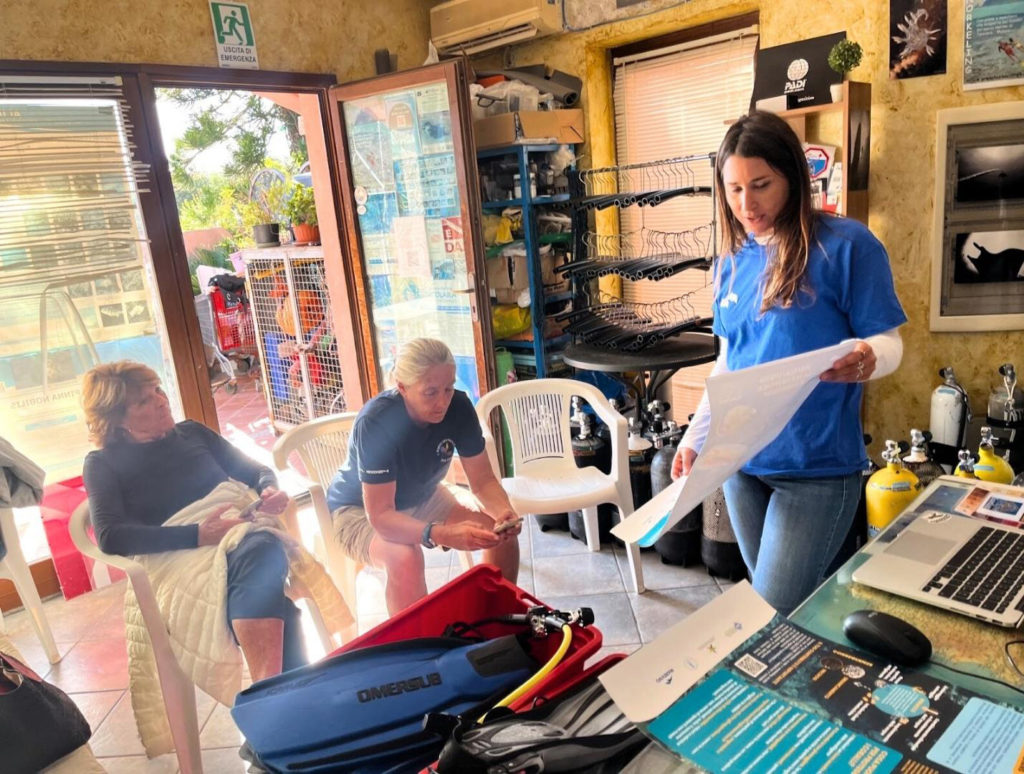
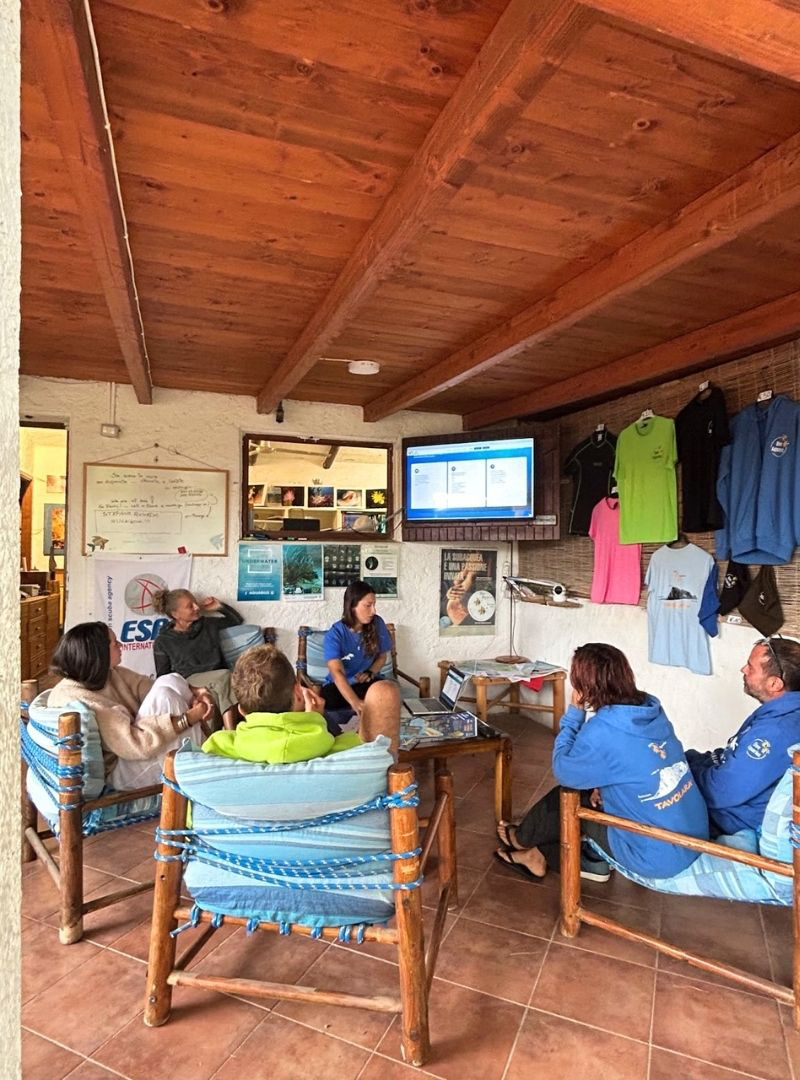
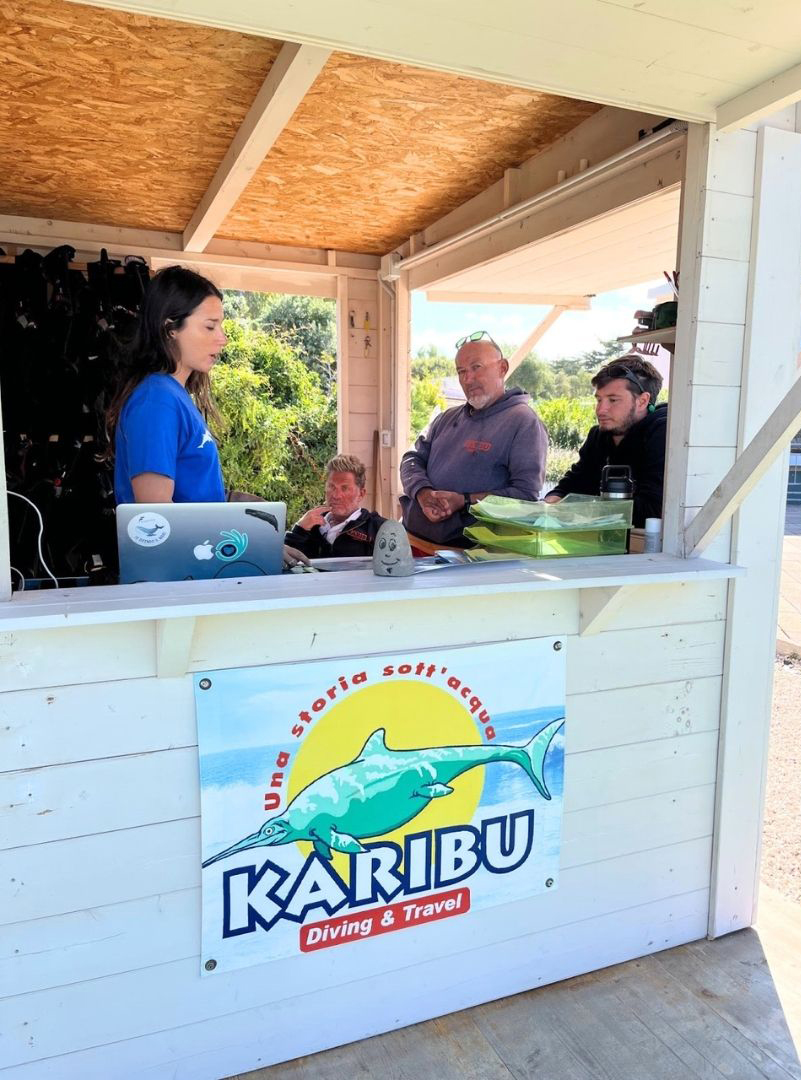
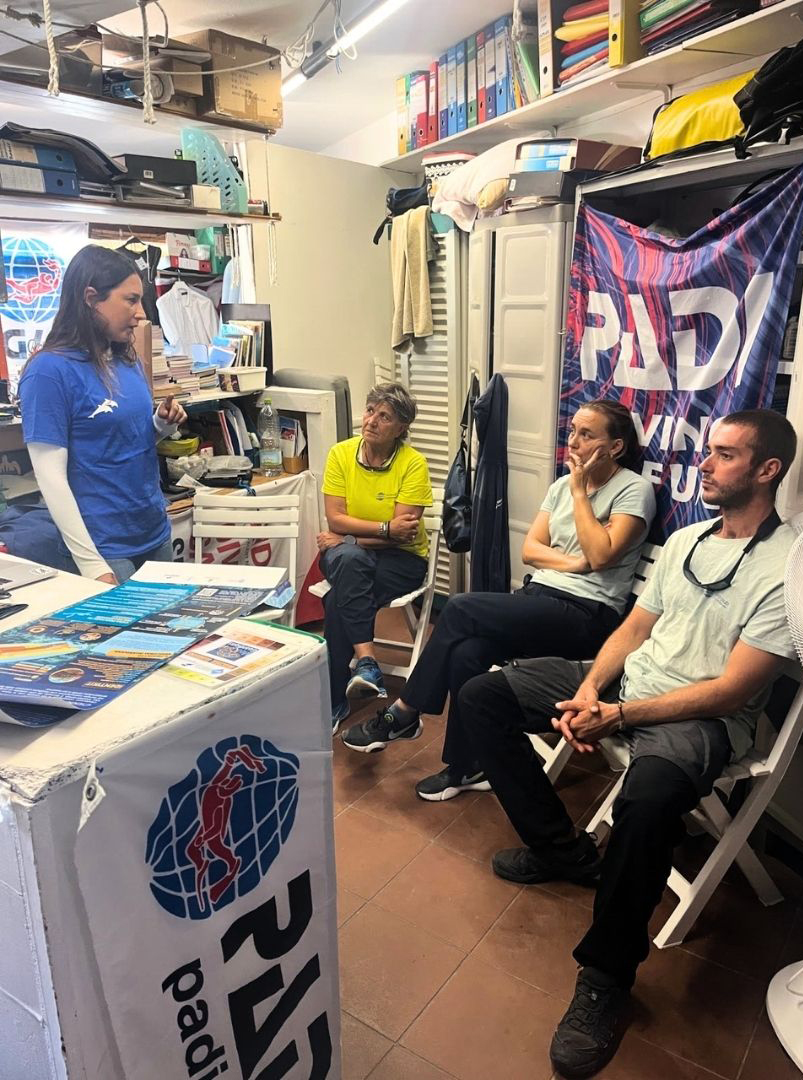
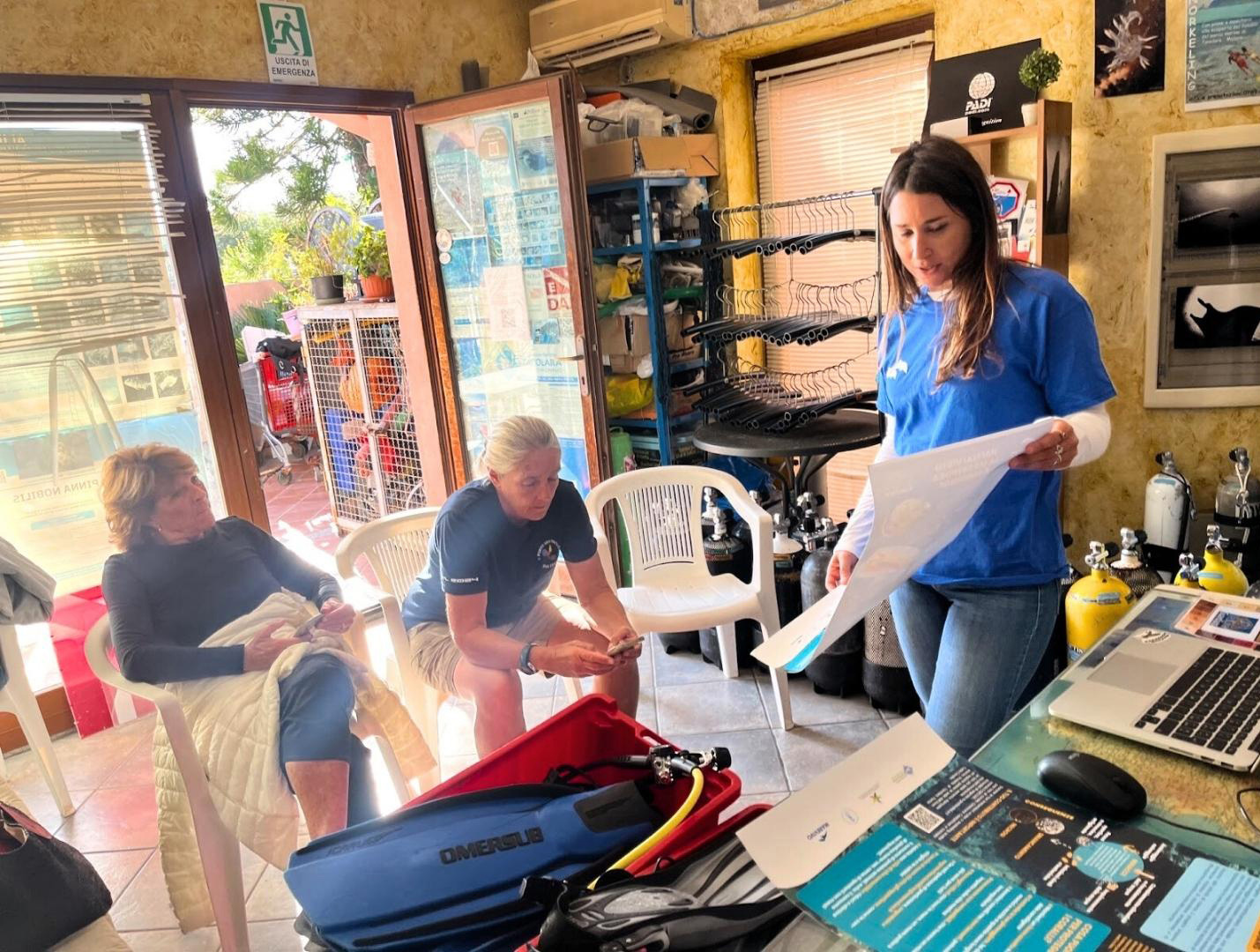
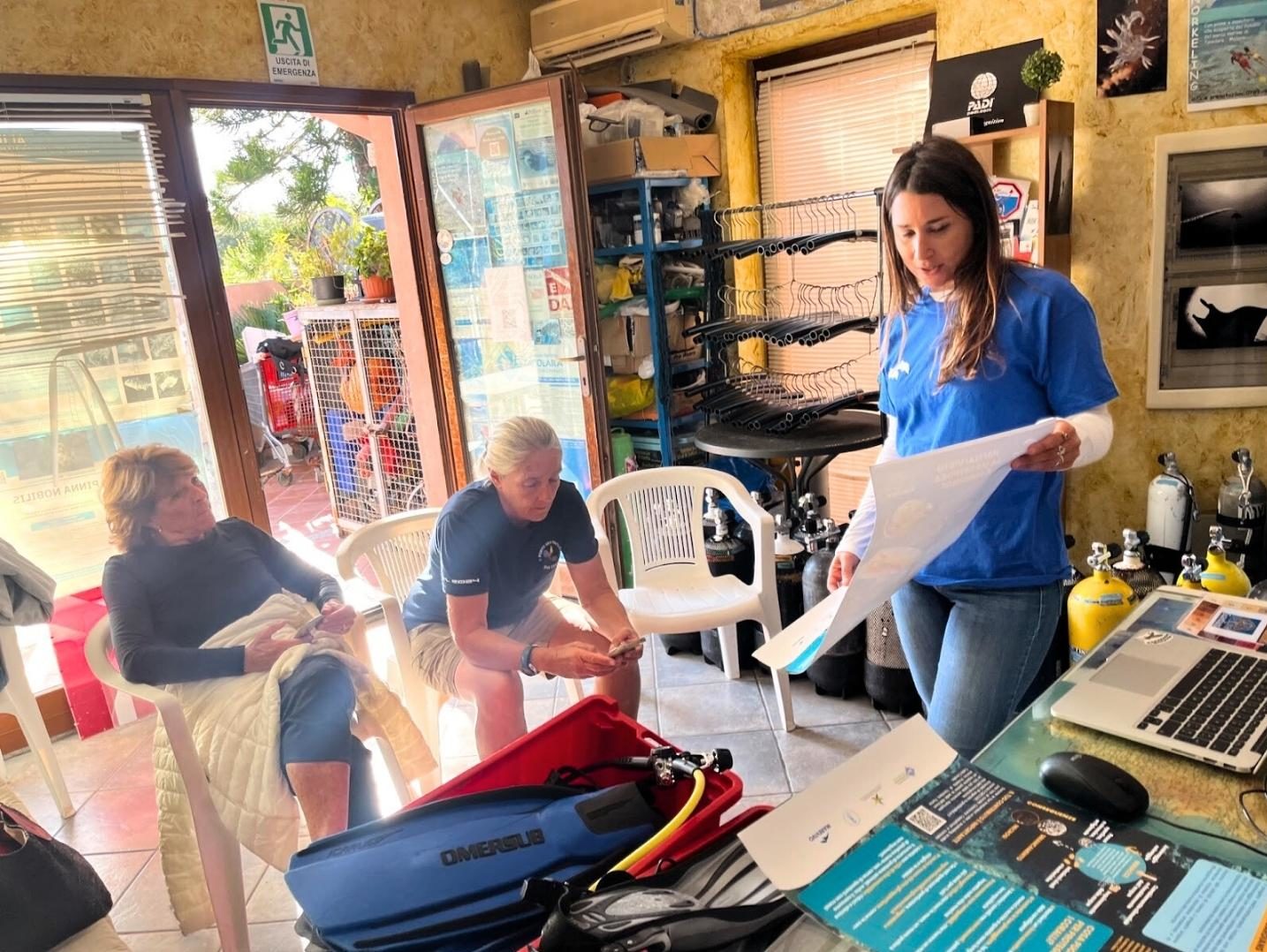
Protecting the sea is impossible without engaging the people who live it every day. In Tavolara, we launched a training programme for local diving centres, which joined enthusiastically by registering on the “Observadores del Mar” platform—turning instructors and divers into invaluable allies. Through dedicated meetings and the distribution of educational materials, we equipped divers with the skills to recognise Cladocora caespitosa, photograph it, and upload sightings directly online. It’s a simple action that turns a standard holiday snapshot into a data point that matters for the species’ protection. Want to take part too?

Put your skills to the test and support the research!
JOIN THE CONTEST

Information and Awareness

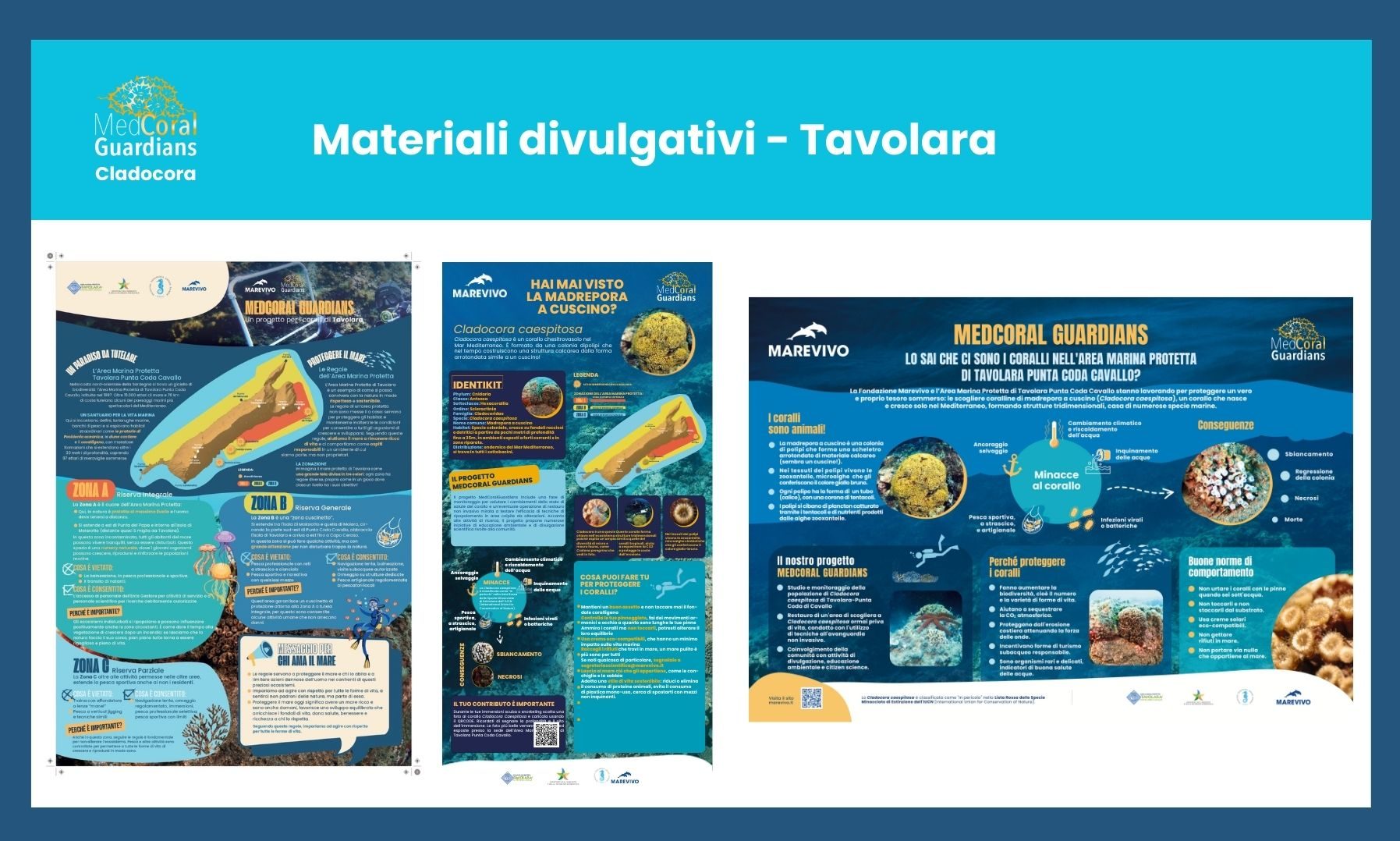
In addition, we produced information panels and educational materials for divers and diving centres, students and teachers, tourists, and local residents, highlighting the importance of Cladocora and explaining the project’s planned activities.

The MedCoral Guardians - Tavolara project by Fondazione Marevivo is made possible thanks to the collaboration of excellent partners united for a common goal: protecting marine biodiversity and restoring Cladocora caespitosa.

With the support of

Where the Medcoral Guardians Projects is active

Ustica

Punta Campanella

Tavolara

The ocean is life. Together, let’s protect it.

Share