

PUNTA CAMPANELLA

SAVE THE CORALS

The Cladocora caespitosa protection network is expanding, MedCoral Guardians in now reaching Campania, in the place known as the “Land of the Sirens”: the Punta Campanella Marione Protected Area

WHERE DOES THE PROJECT TAKE PLACE
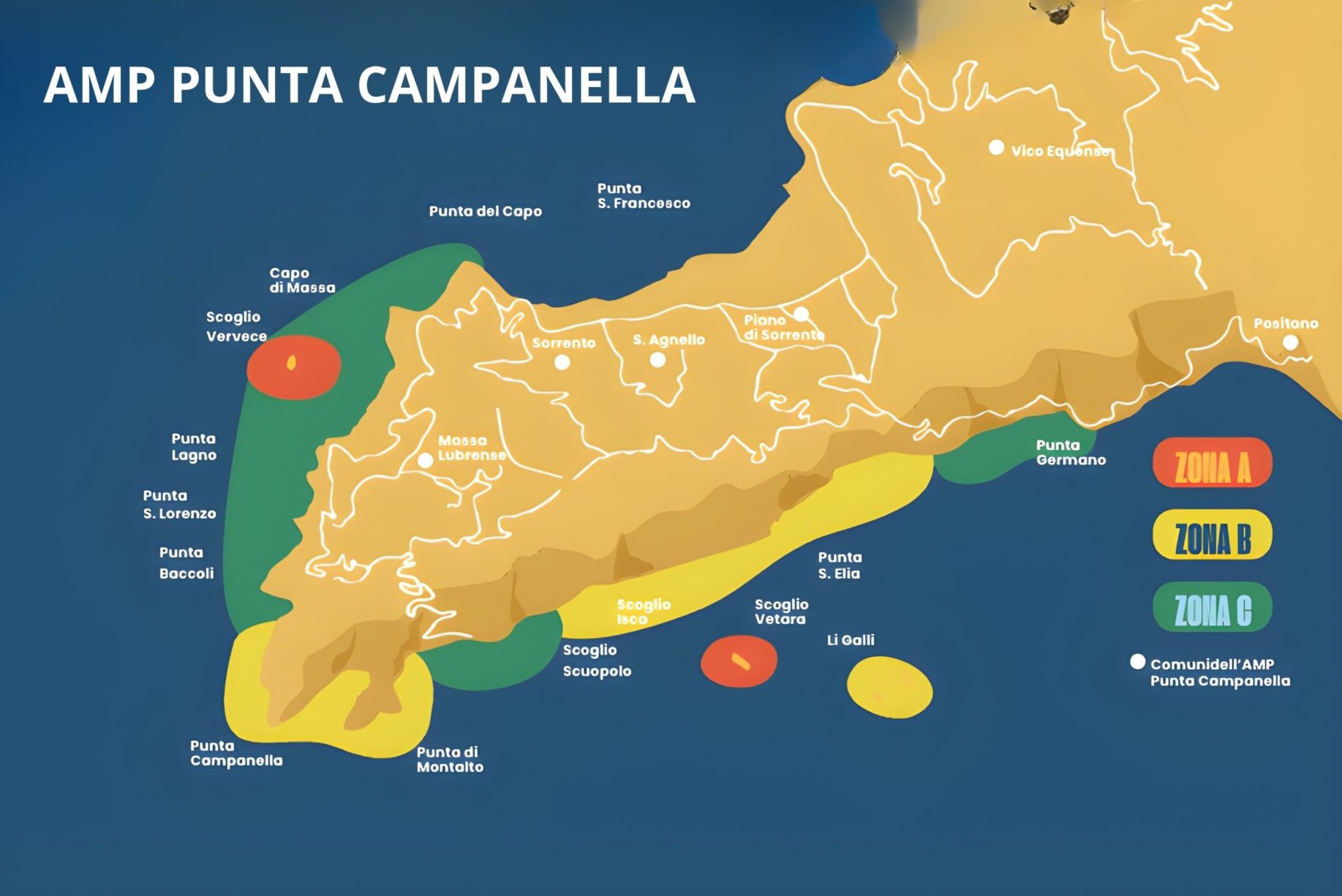
The Punta Campanella Marine Protected Area was established in 1997 in a place known as the “Land of the Sirens”. Legend has it that it was in these waters that Ulysses resisted the Sirens’ enchanting song by having himself tied to the mast of his ship. To thank the gods for escaping the danger, he is said to have built a temple right at Punta Campanella, dedicating it to the goddess Athena.

The MPA is divided into three areas, each with specific rules designed to protect the ecosystem and support a balanced relationship between people and nature.

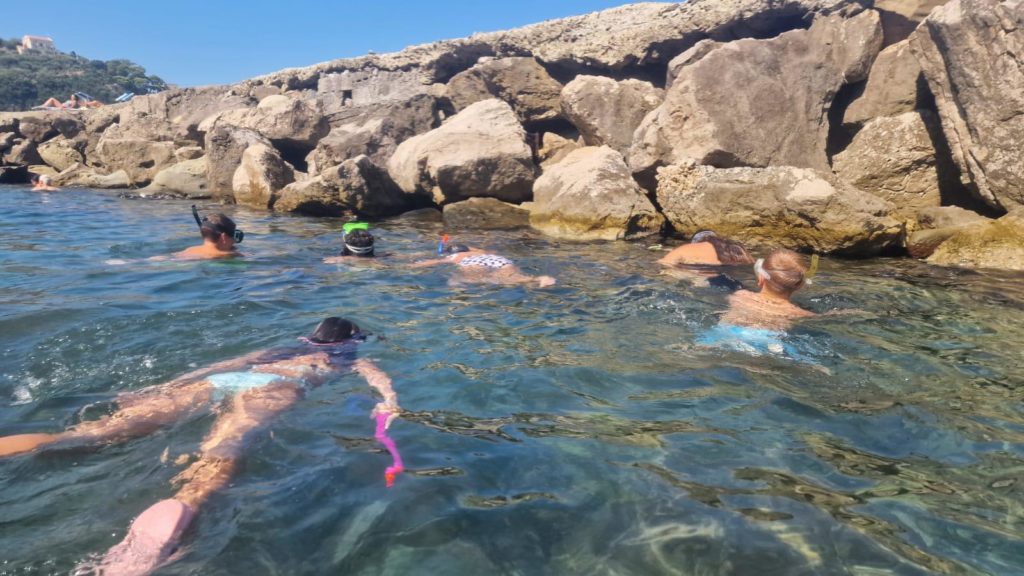
Zone A: Full Reserve – This is the heart of the Marine Protected Area, where protection is at its highest. No human activities are allowed, except swimming in certain designated zones. It functions as a natural nursery, allowing marine species to reproduce and strengthen their populations.

Zone B: General Reserve – A “buffer zone” surrounding the Full Reserve. It covers around 700 hectares and includes the waters around the Li Galli islets, Crapolla Bay, Ieranto Bay, and Punta Campanella. Some activities are permitted here, but only with great care and prior authorisation from the managing authority.

Zone C: Partial Reserve – A broader-use zone where more activities are allowed—such as recreational and professional fishing and swimming—while following rules that ensure the ecosystem remains healthy and productive.

The MPA’s regulations are not a constraint, but a tool to balance protection with responsible use of resources. This approach safeguards the most fragile ecosystems while still allowing residents and visitors to e

This project protects not only Cladocora caespitosa, but the entire ecosystem it helps build—and it can be replicated in other areas of the Mediterranean.

Project phases

Monitoring

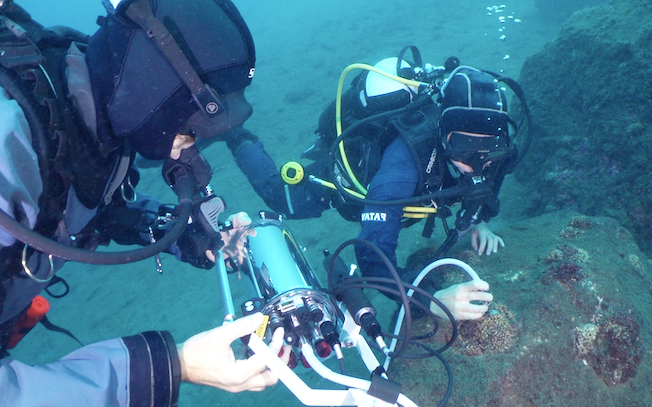
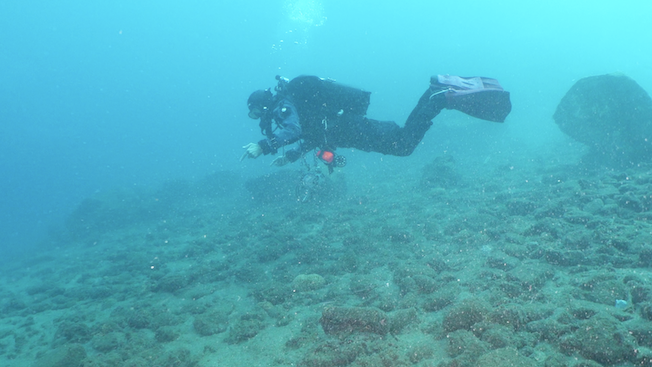
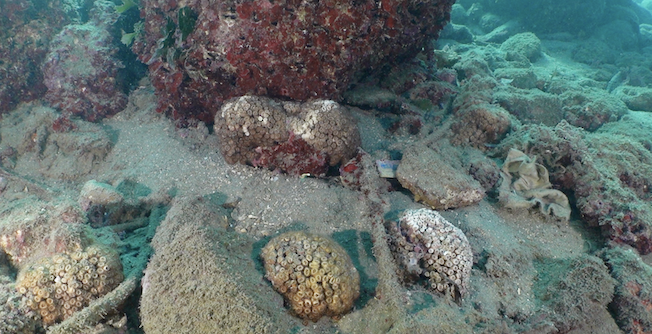
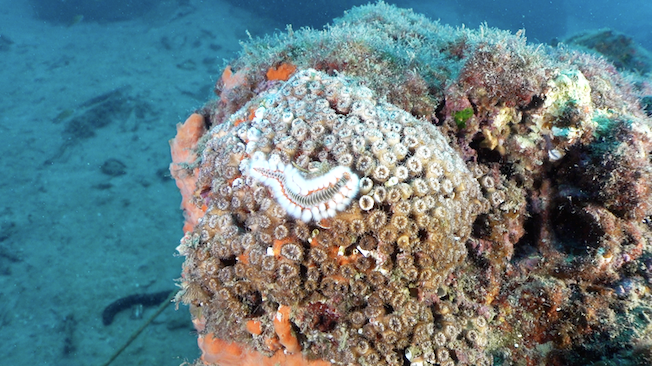
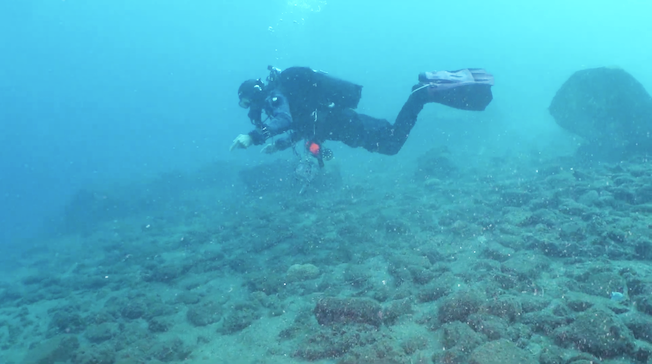
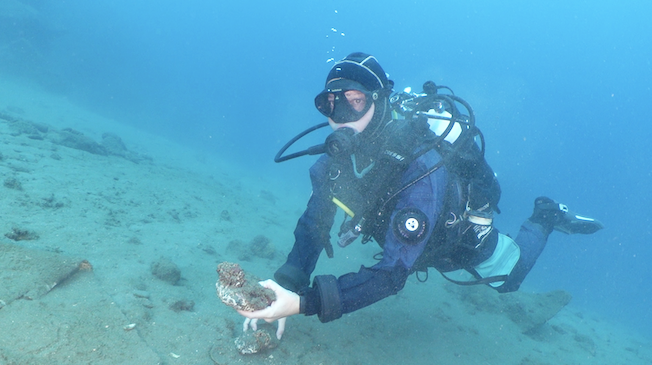
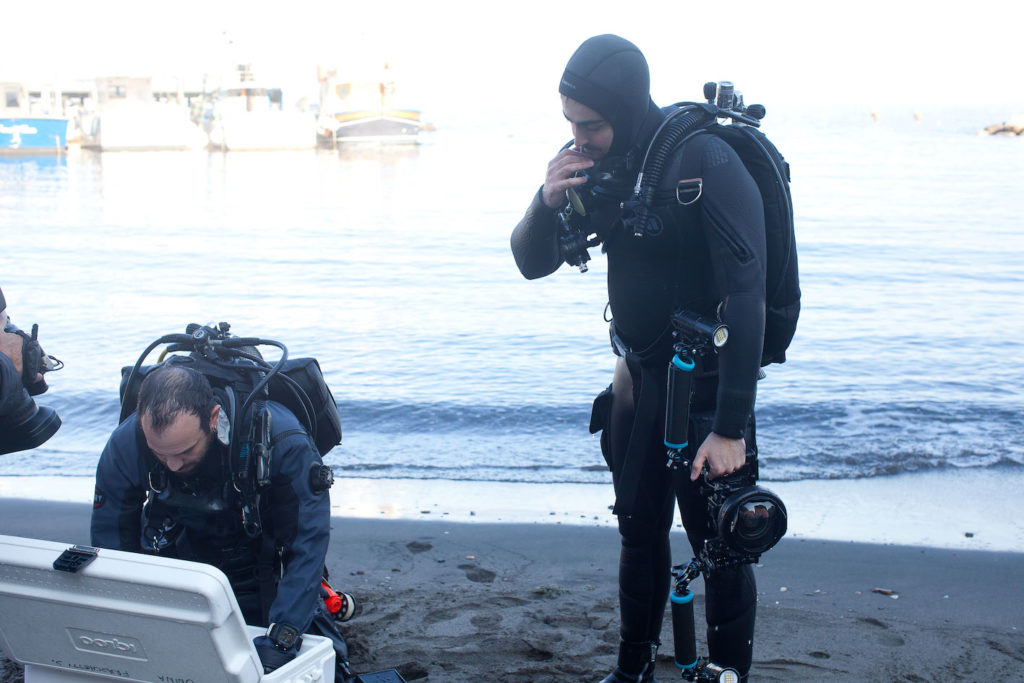
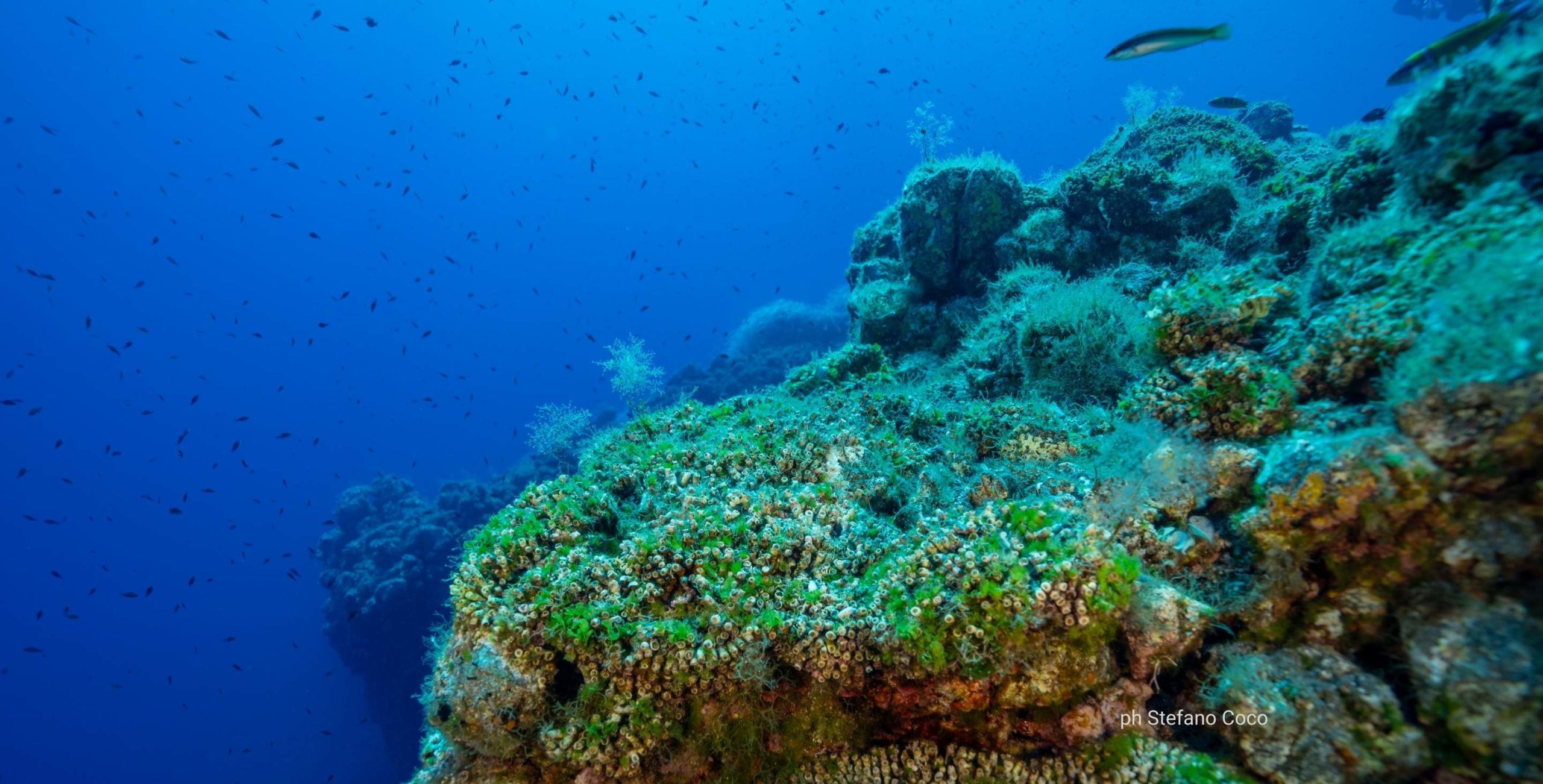
In the waters of Punta Campanella, monitoring carried out by researchers from the University of Naples Federico II (Department of Biology) is designed to assess the health status of Cladocora and the brown alga Cystoseira. Cystoseira s.l. forests are a key habitat-forming structure that supports a conservation-priority species such as Cladocora caespitosa. Protecting these algal forests is crucial because they create shaded microhabitats for corals, which often thrive at the base of these algae.

Restoration

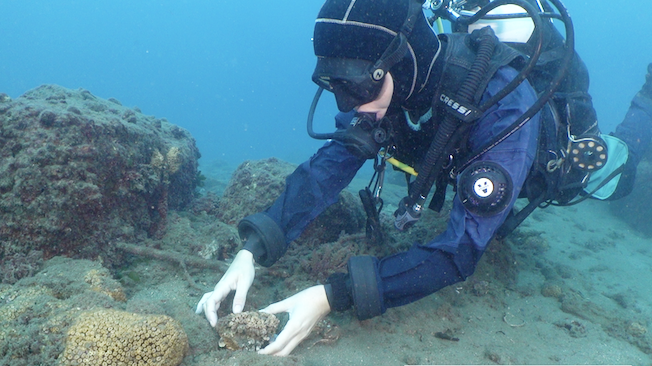
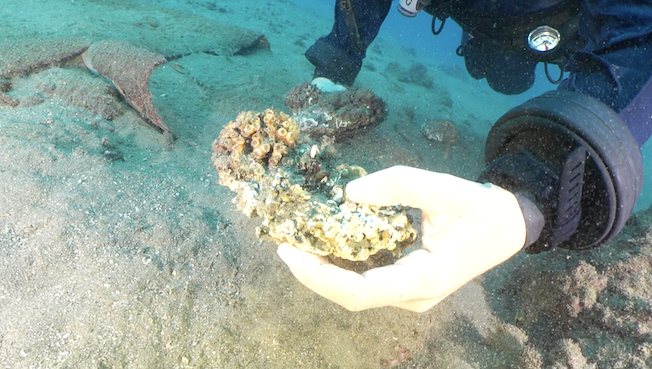
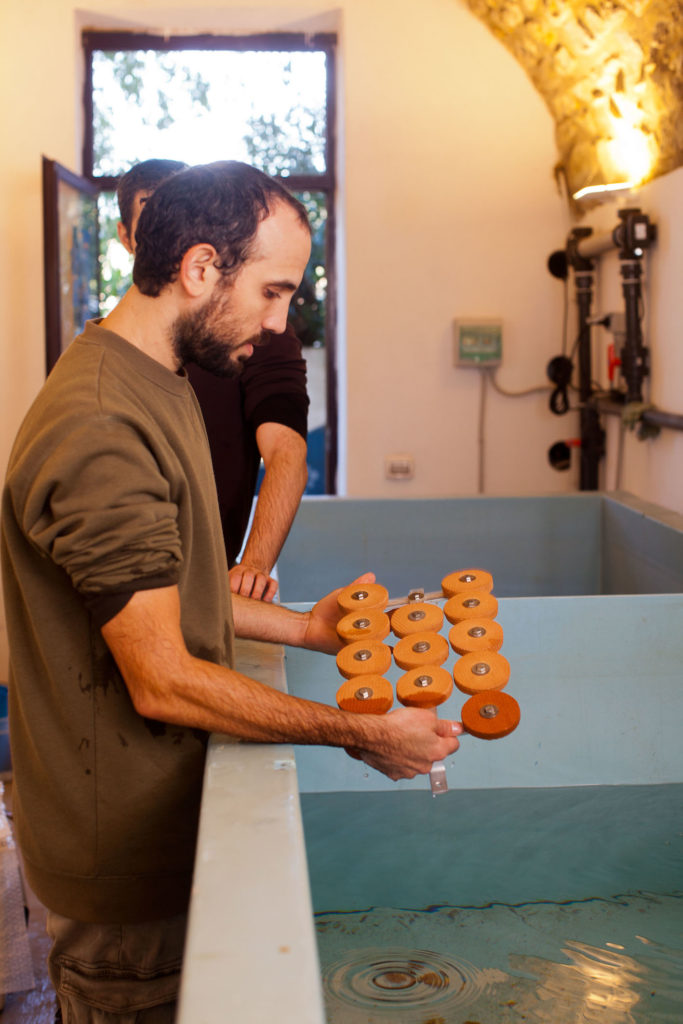
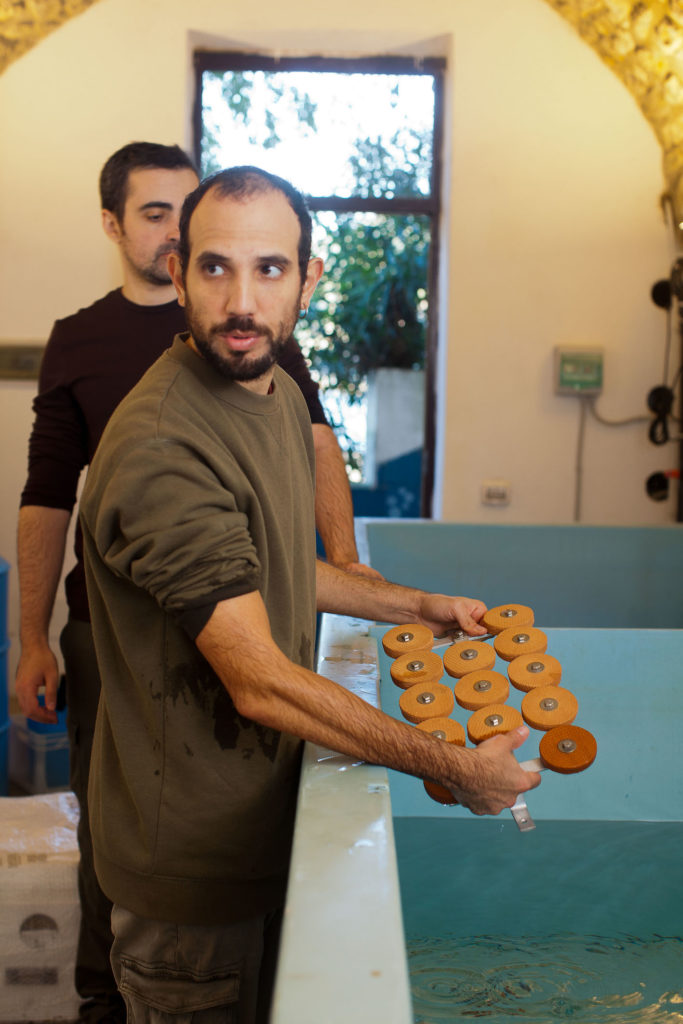
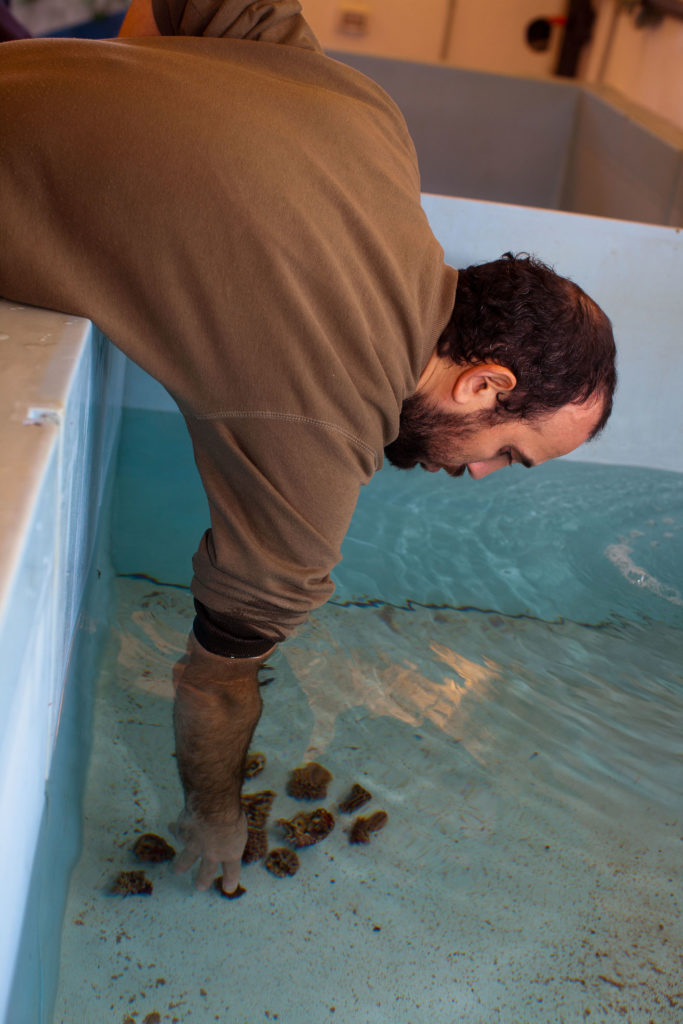
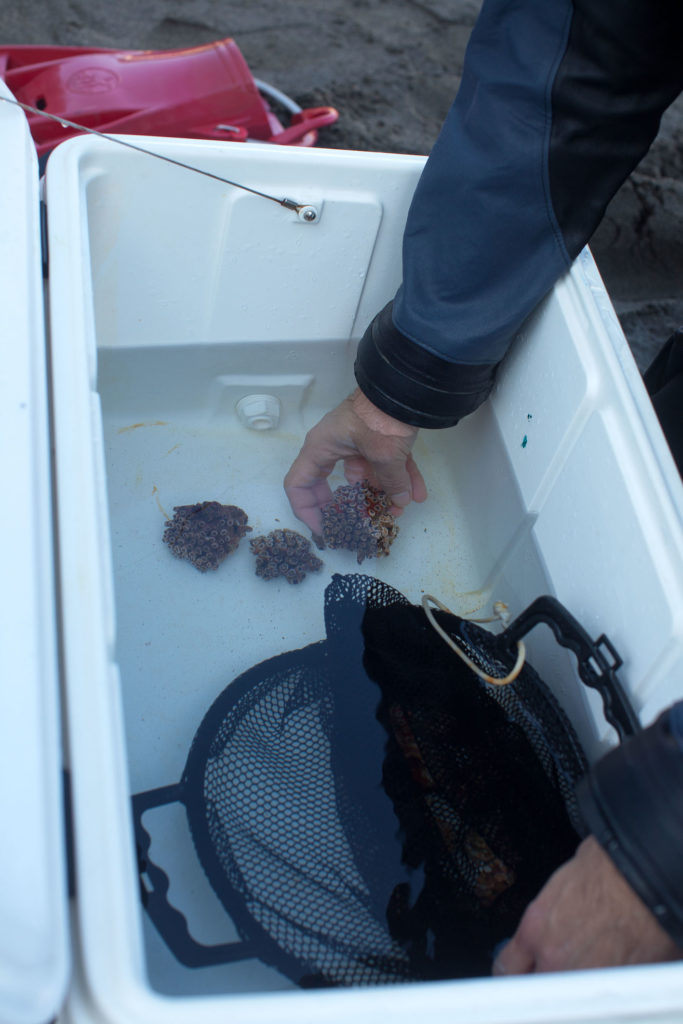
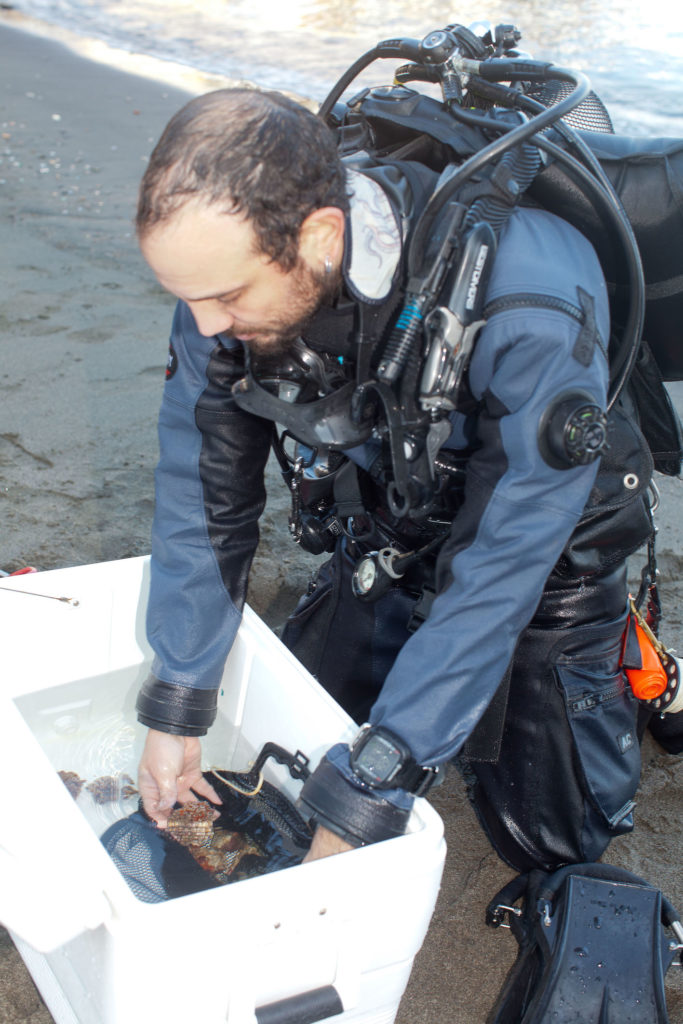
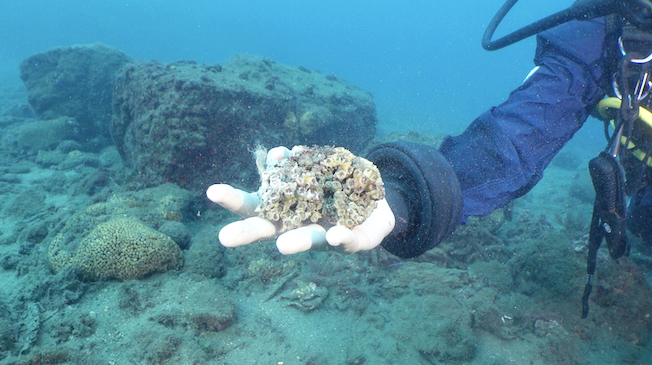
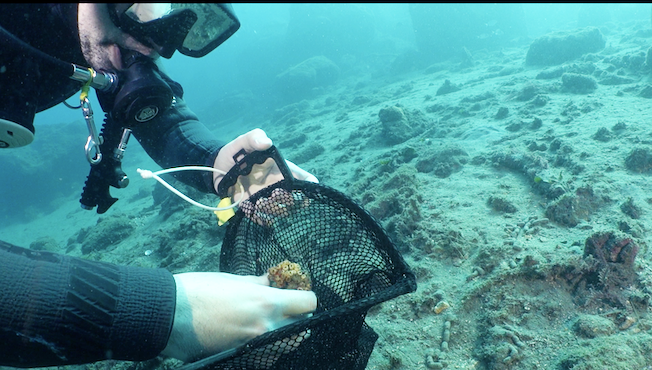
Following the methods already implemented within the same project by the Polytechnic University of Marche, fragments of Cladocora caespitosa—collected only from pieces already detached from the rocks—were secured onto small supports. These will be placed both inside and outside Cystoseira forests to test the benefits of this interaction, generating new, essential knowledge for the protection and enhancement of both species.
Information panels and interpretative trails

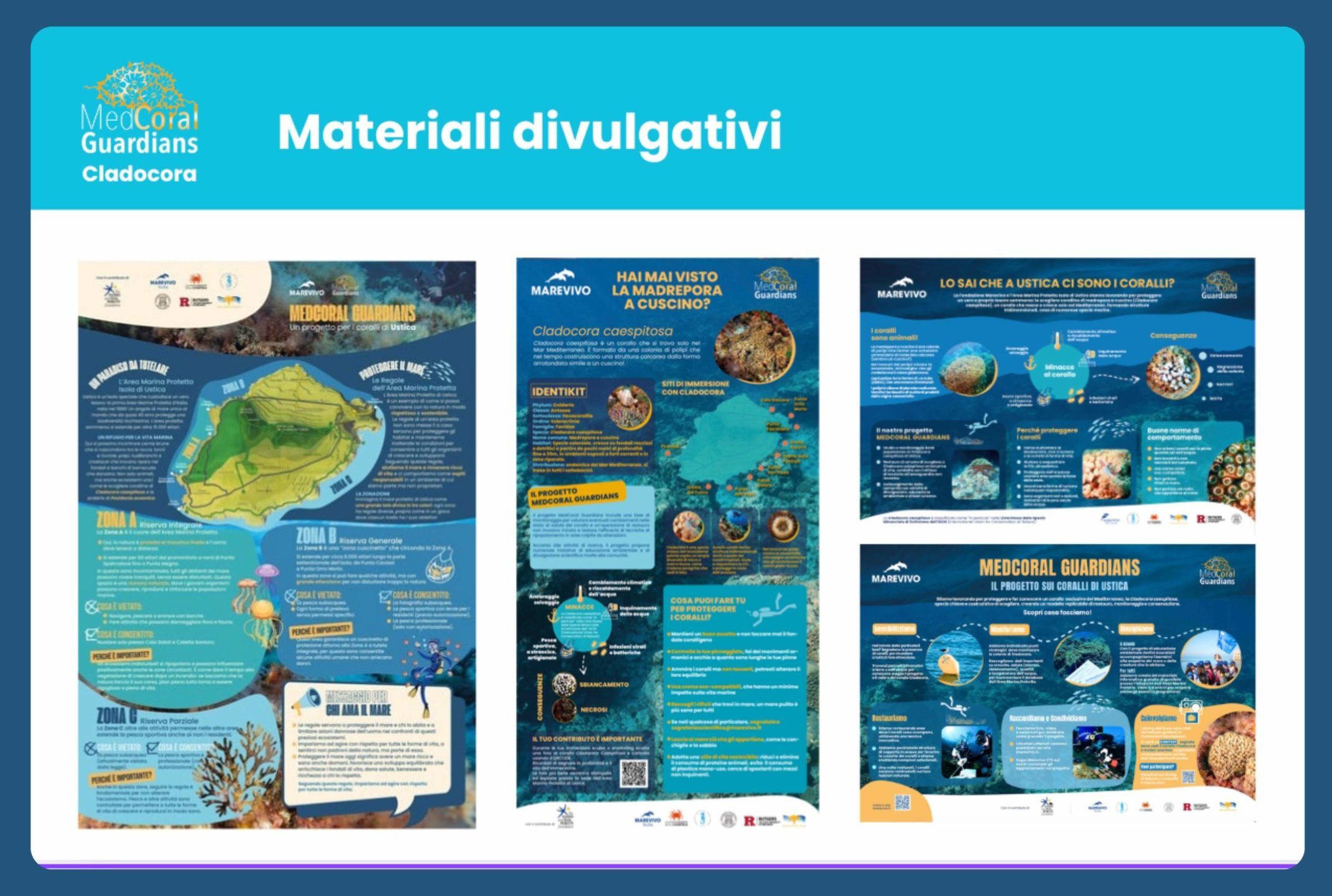
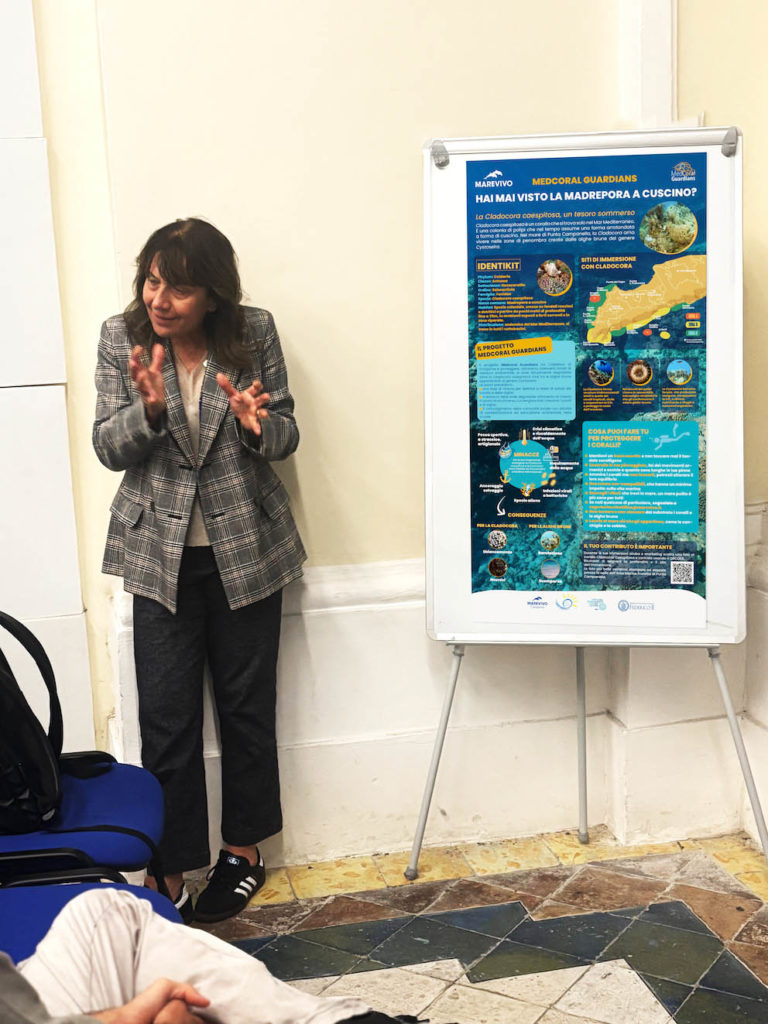
The project includes the creation of information panels and educational materials for divers and diving centres, students and teachers, tourists, and local residents, highlighting the importance of Cladocora and Cystoseira and explaining the project’s planned activities. A dedicated underwater trail for divers will also be developed, with submerged marker boards that will allow visitors to observe these two species in different states of conservation.

Awareness-raising and environmental education
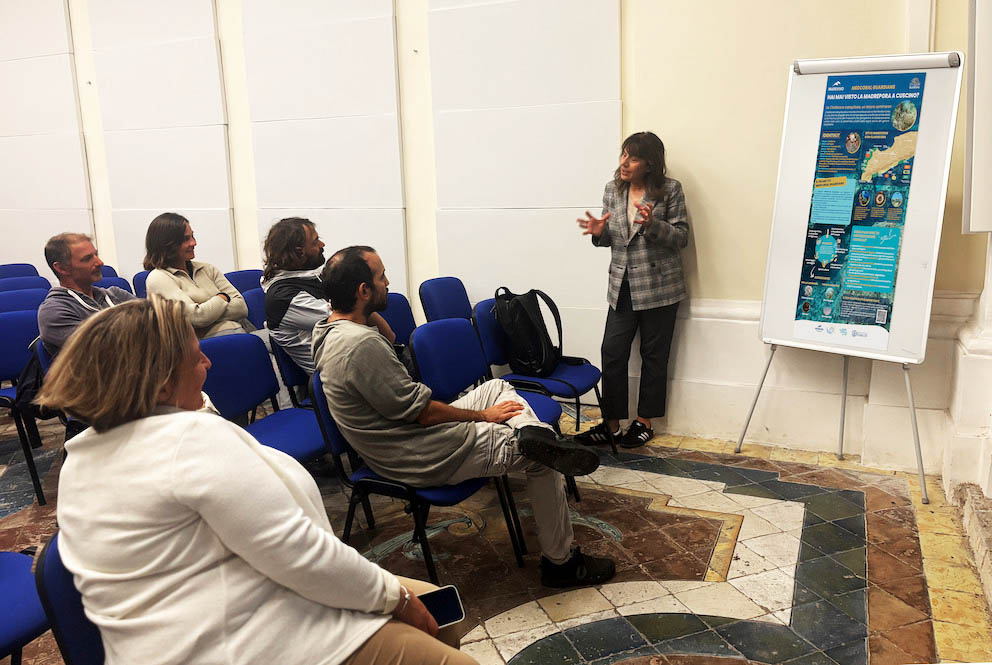
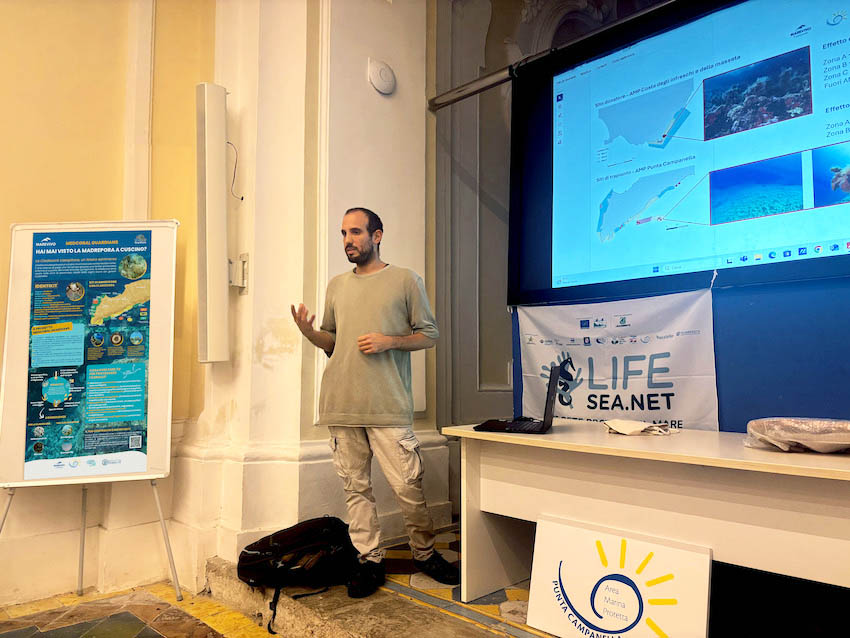
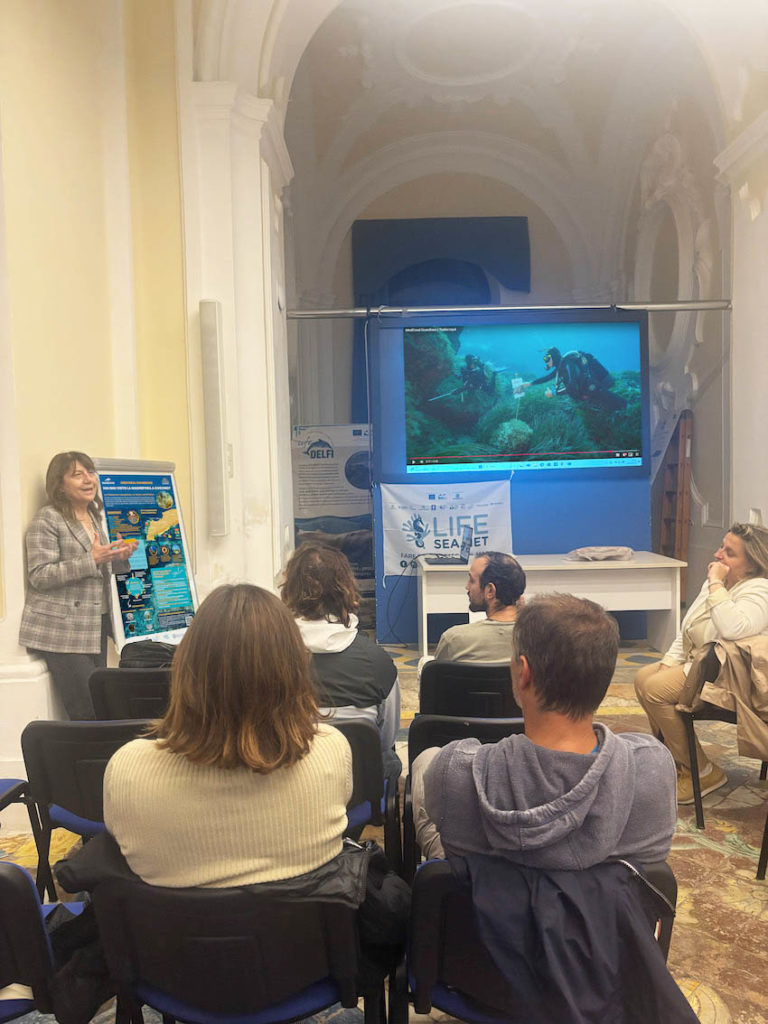
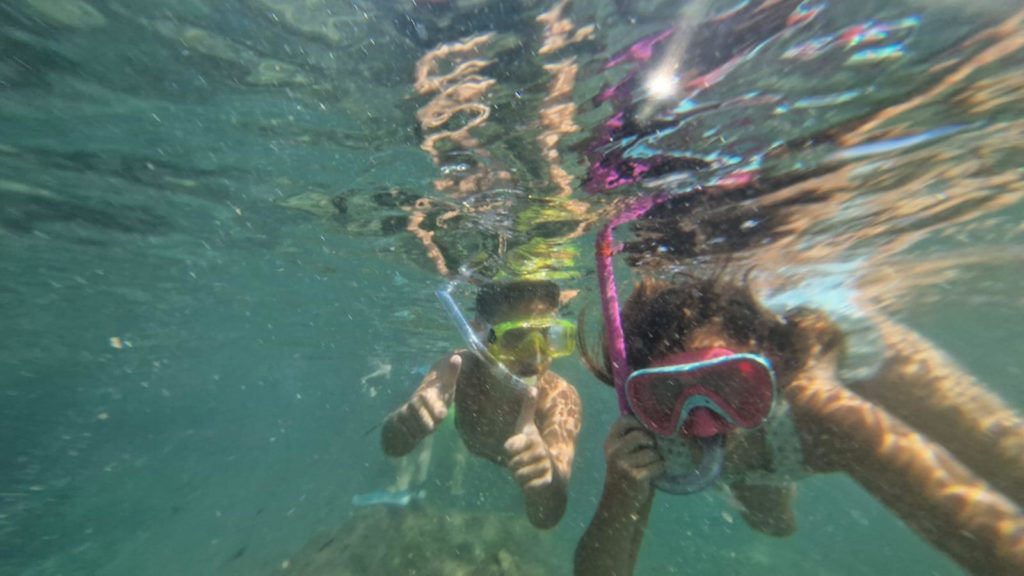
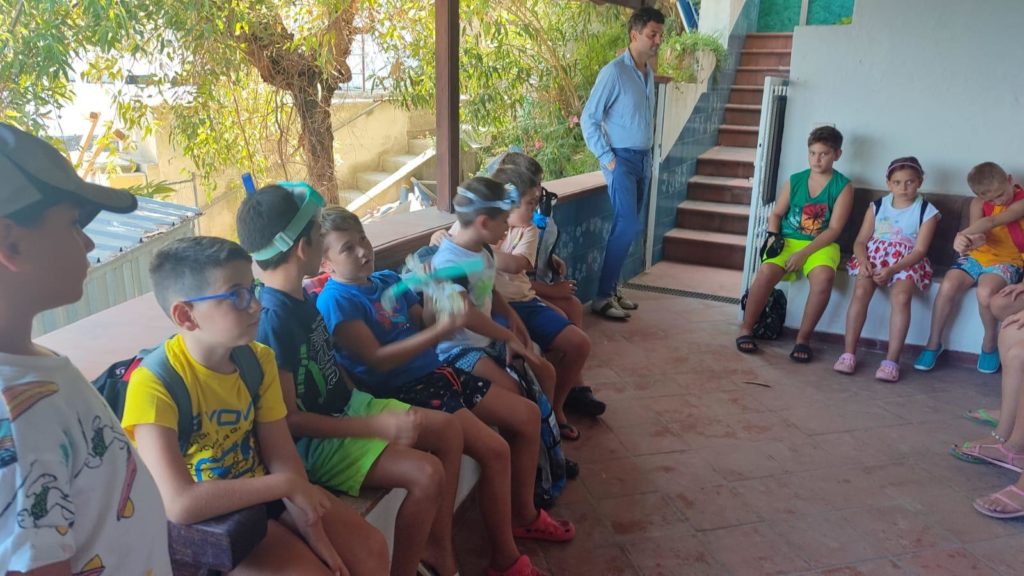
Protecting the sea is impossible without engaging the people who live it every day. To support awareness and protection of Cladocora and Cystoseira, Punta Campanella, like other MPAs involved, will actively engage the local community by promoting interpretive programmes with local dive centres and educational activities with schools. During the current school year, more than 700 students from lower secondary schools in the area will take part.

The "MedCoral Guardians" project by Fondazione Marevivo is made possible thanks to the collaboration of excellent partners united for a common goal: protecting marine biodiversity and restoring Cladocora caespitosa.


The sea is life—let’s come together to protect it.

Where the MedCoral Guardians projects are located

Ustica

Punta Campanella

Tavolara

Every step matters, and your commitment can make a real difference for the future of corals and the health of our seas.
Join us in this mission!

SAVE THE CORALS
Share