


An open letter from Rosalba Giugni to the editors of Italy’s leading national newspapers
Dear Editor,
Energy, economy, security and the environment. Words that today can seem almost utopian in a world marked by disorder, conflict and the erosion of rights built over nearly eighty years of democracy and international cooperation. Among the factors driving this shift in global balance, energy production is undoubtedly one of the most significant.
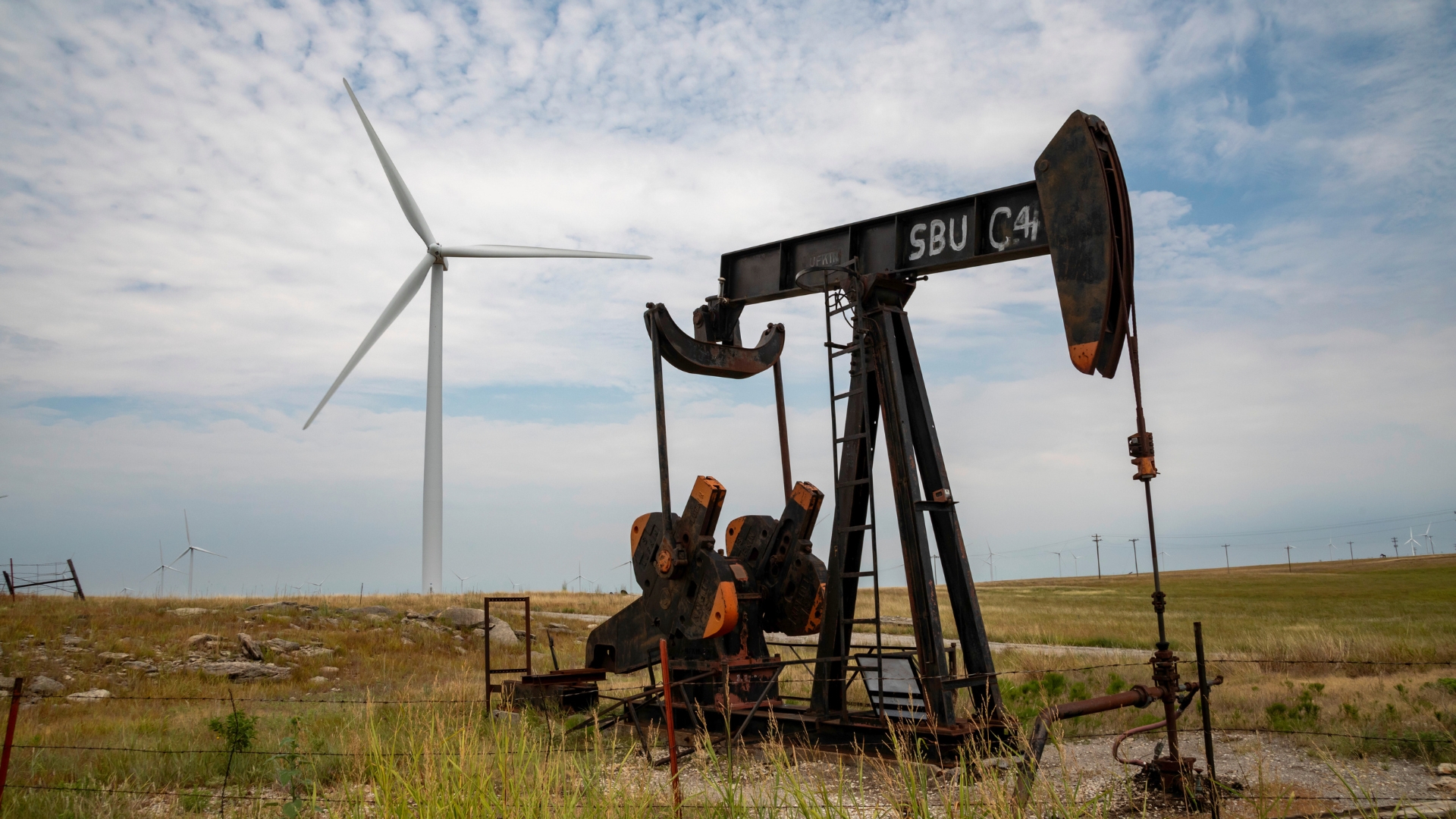
This is why we must once again stress the urgency of transitioning towards clean energy sources. The war in Iran and growing tensions in the Gulf are already impacting global energy markets: oil prices have neared 100 dollars a barrel, while uncertainty over supplies has pushed up gas and electricity prices across Europe, fuelling concerns over the Strait of Hormuz. When energy depends on a limited number of strategic regions, every conflict can quickly translate into inflation, economic instability and risks to energy security.
An increasing number of international studies indicate that true energy security depends on accelerating the transition to renewables, which guarantee greater independence and more stable prices. Solar and wind energy, in addition to reducing emissions, are not subject to the same geopolitical dynamics as oil and gas. According to the International Renewable Energy Agency (IRENA), more than 90% of newly installed renewable energy capacity is now cheaper than new fossil fuel plants. The International Energy Agency (IEA) has likewise identified renewables as the most competitive option for new electricity generation.
Yet nuclear power has returned to the centre of the debate. The European proposal to develop small modular reactors raises important questions: even the most advanced reactors generate radioactive waste and require long construction times, while renewable energy systems can be deployed rapidly. There is also the risk of replacing dependence on oil and gas with a new strategic dependence on uranium. In Italy, nuclear power has twice been rejected through national referendums, in 1987 and again in 2011.
As economist Jeremy Rifkin has argued, Italy possesses all the natural conditions necessary to build genuine energy independence: sunlight, wind, the sea, water resources and geothermal potential make it possible to develop a decentralised system based on clean, locally produced energy.
At a time of both energy and climate crises, the real challenge is to build a more resilient and democratic system. For Marevivo, the energy transition is not merely an economic or technological choice: it is an essential condition for protecting the sea and the ecosystems that regulate the climate and sustain the biodiversity on which life on the planet depends.
Rosalba Giugni
President, Fondazione Marevivo