

From 3 to 8 June, Venice became the global capital for shaping the destiny of this element that is essential to life on Earth.
There is one element that connects everything: oceans, rivers, climate, biodiversity, food security and even peace. That element is water.
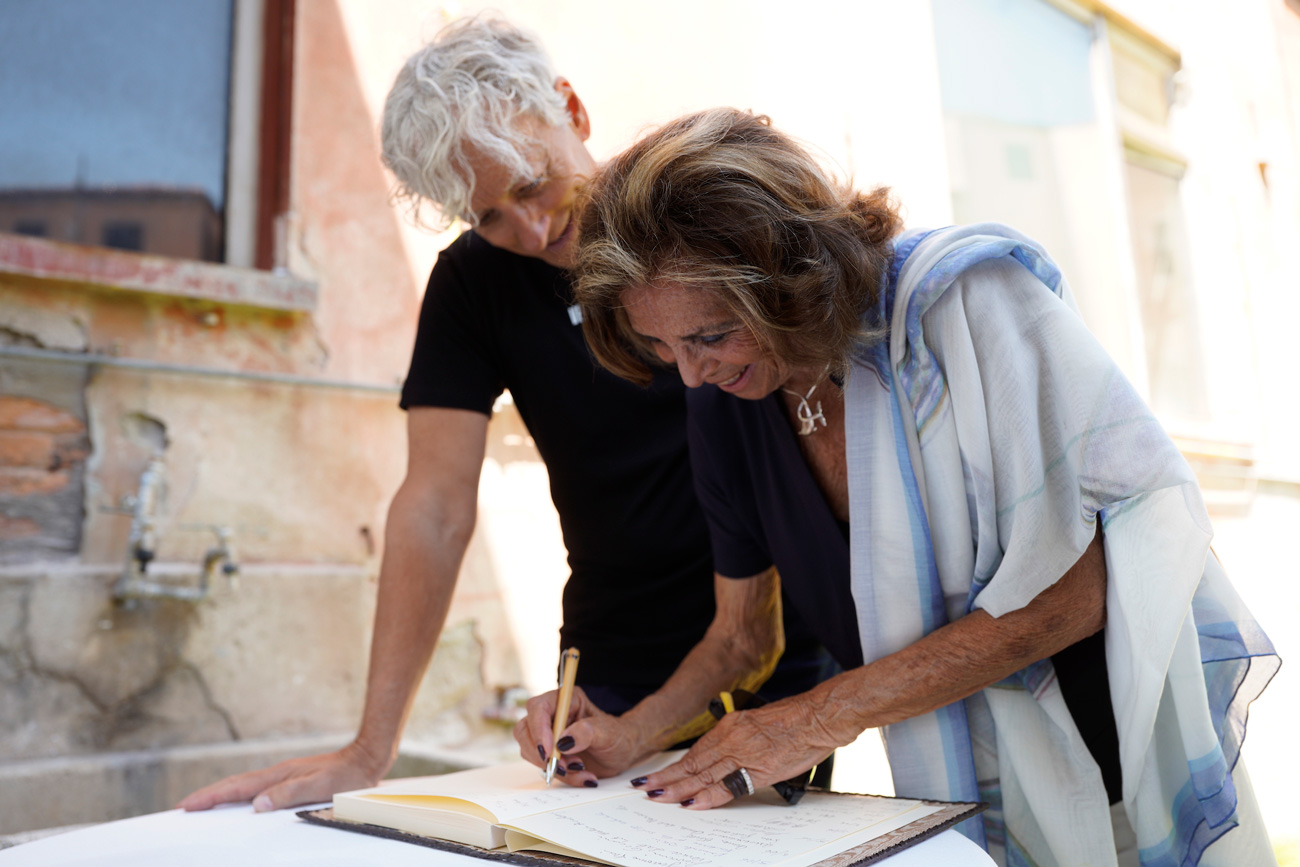
It is from this awareness that Planet Aqua, Planet Peace, the theme of the second edition of Venice Climate Week 2026, took shape. From 3 to 8 June, Venice ceased to be merely a city built on water and became the global capital of the future of this essential element on which life on Earth depends. It was a collective call to action that brought together more than one hundred international speakers, including scientists, economists, policymakers, entrepreneurs, artists, activists and representatives of civil society. Marevivo was there too, bringing with it more than forty years of commitment to protecting the sea and the creatures that inhabit it.
The common thread running through the entire event was water, viewed not only as our most precious resource but also as a key to addressing the climate crisis. And perhaps it is from the ocean itself that some of the answers to the greatest
There is one element that connects everything: oceans, rivers, climate, biodiversity, food security and even peace. That element is water.
It is from this awareness that Planet Aqua, Planet Peace, the theme of the second edition of Venice Climate Week 2026, took shape. From 3 to 8 June, Venice ceased to be merely a city built on water and became the global capital of the future of this essential element on which life on Earth depends. It was a collective call to action that brought together more than one hundred international speakers, including scientists, economists, policymakers, entrepreneurs, artists, activists and representatives of civil society. Marevivo was there too, bringing with it more than forty years of commitment to protecting the sea and the creatures that inhabit it.
The common thread running through the entire event was water, viewed not only as our most precious resource but also as a key to addressing the climate crisis. And perhaps it is from the ocean itself that some of the answers to the greatest challenges of our time may emerge.
Throughout the week, Venice hosted discussions, cultural initiatives and public engagement activities that helped spread scientific knowledge and foster a renewed awareness of the relationship between people and the environment. Among the most influential voices was American economist and sociologist Jeremy Rifkin, who argued that the twenty-first century should be understood as the age of the “Water Planet” rather than the “Earth Planet”. According to Rifkin, water is not merely an environmental resource but a strategic common good upon which security, development, health and peace all depend. It is a perspective that invites us to rethink the future of cities, economies and communities, starting with the protection of our water resources and marine ecosystems.
For Marevivo, this message represents far more than a topic for discussion. It is a vision that has guided the Foundation’s commitment to protecting the sea and the ecosystems that sustain life on our planet for over forty years.
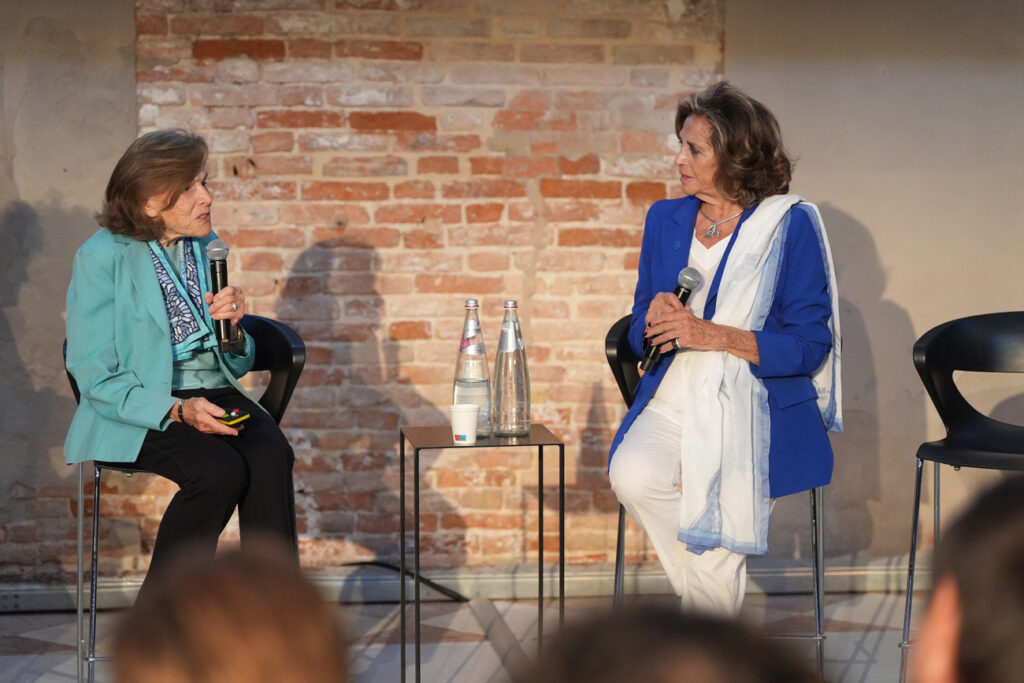
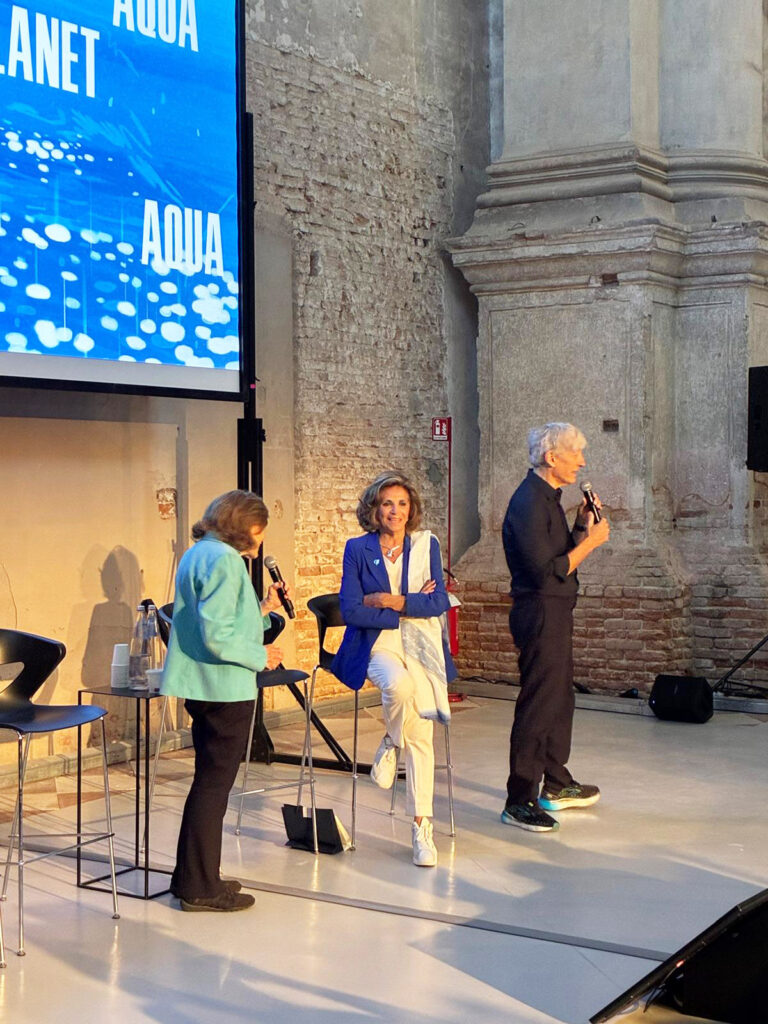
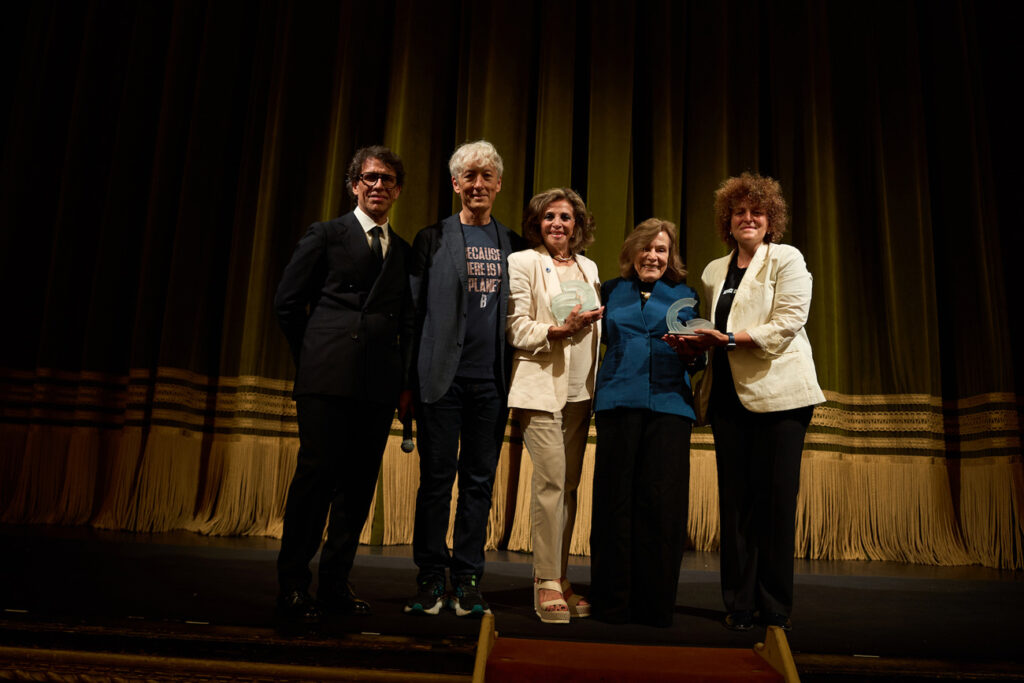
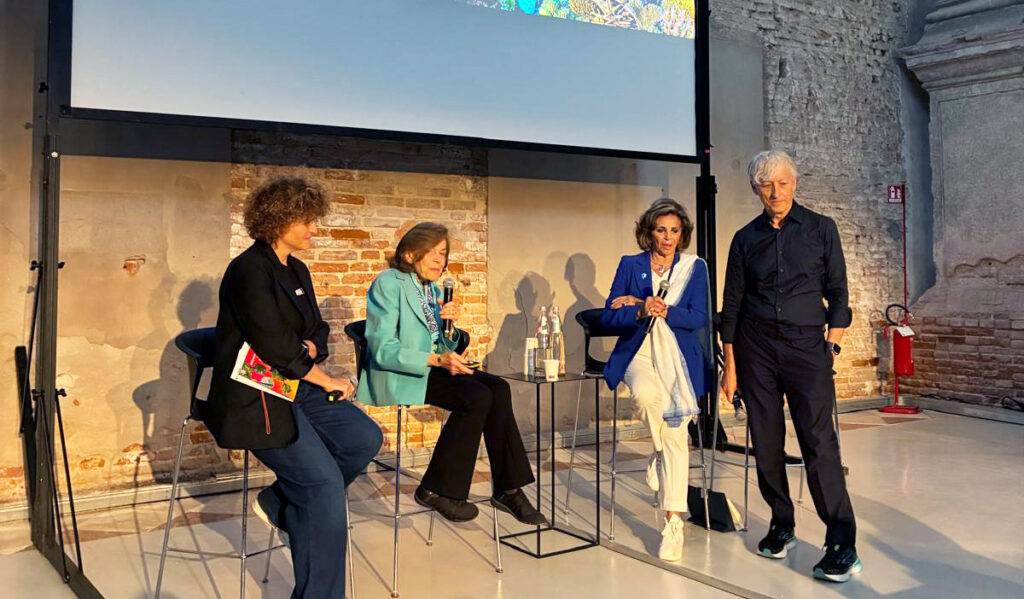
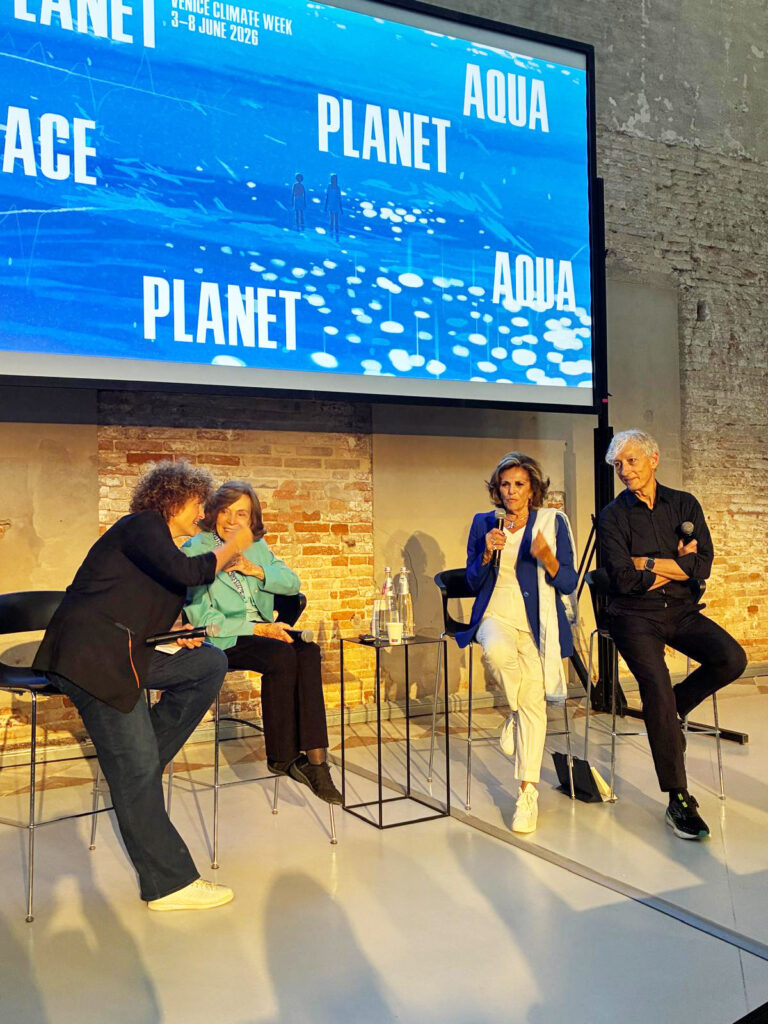
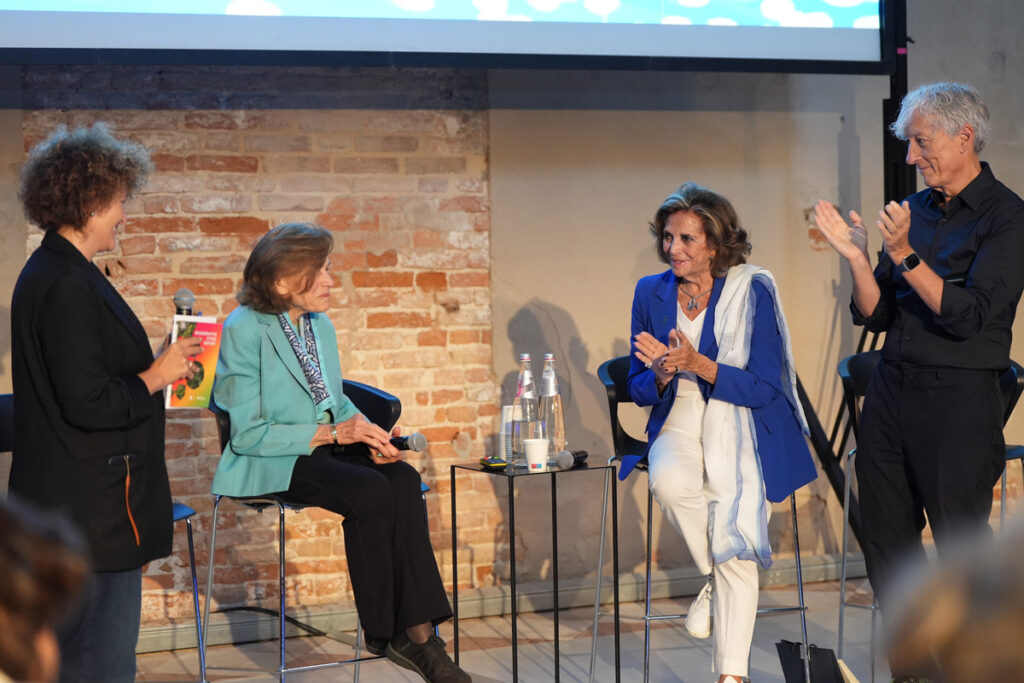
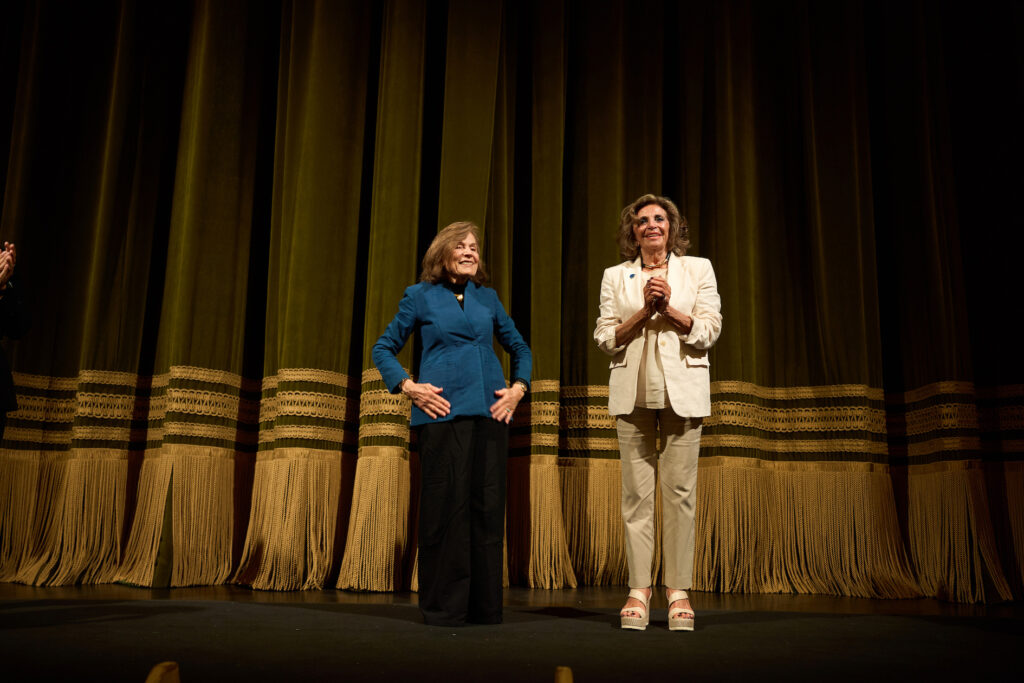
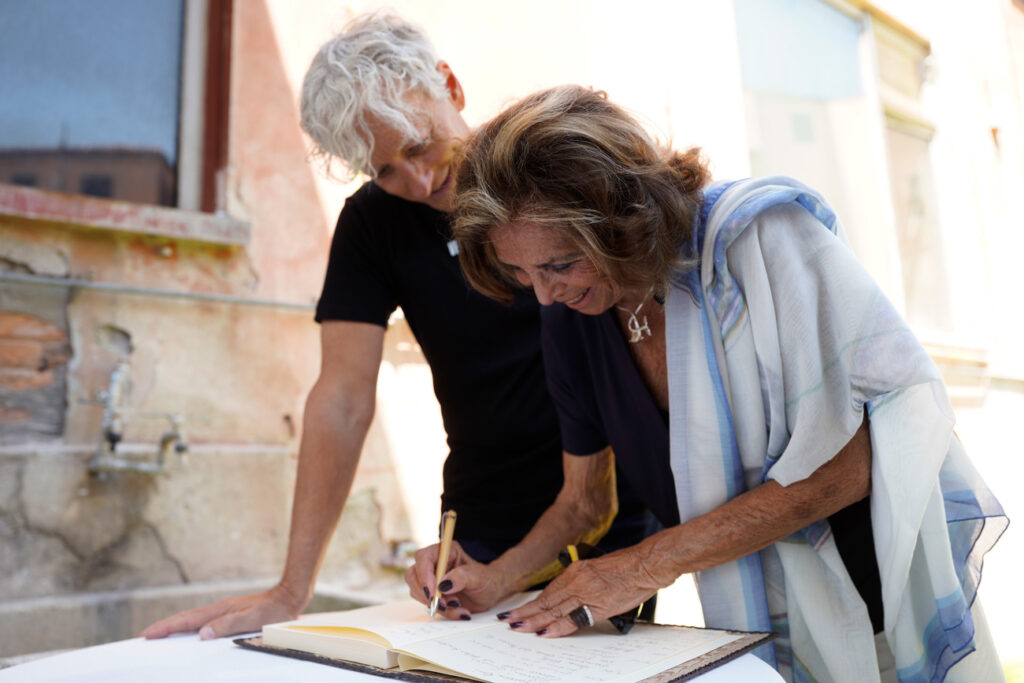
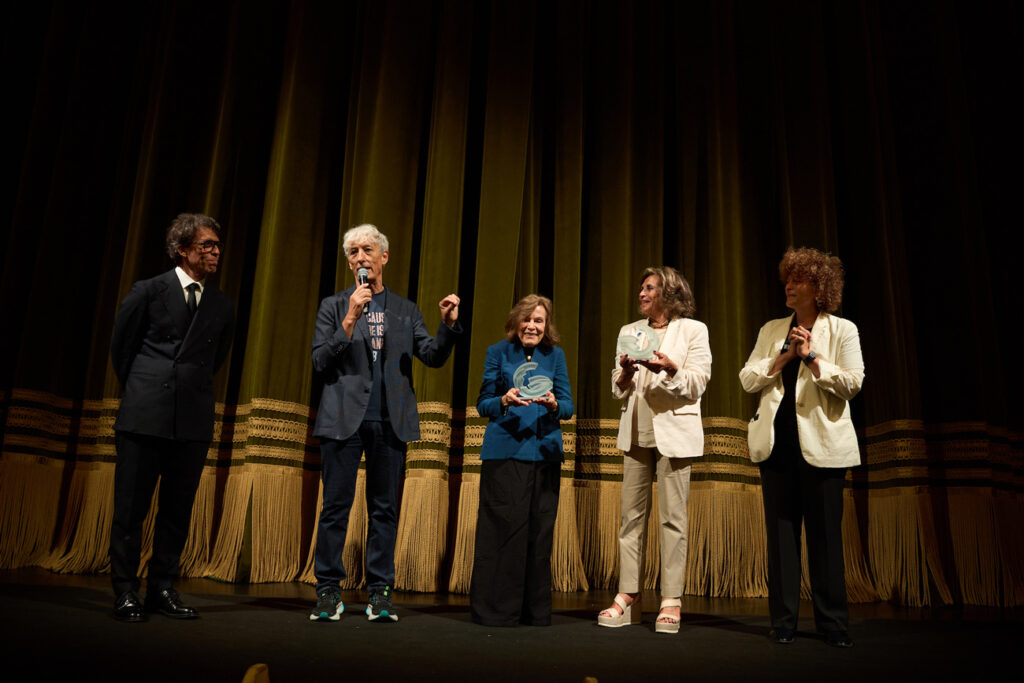
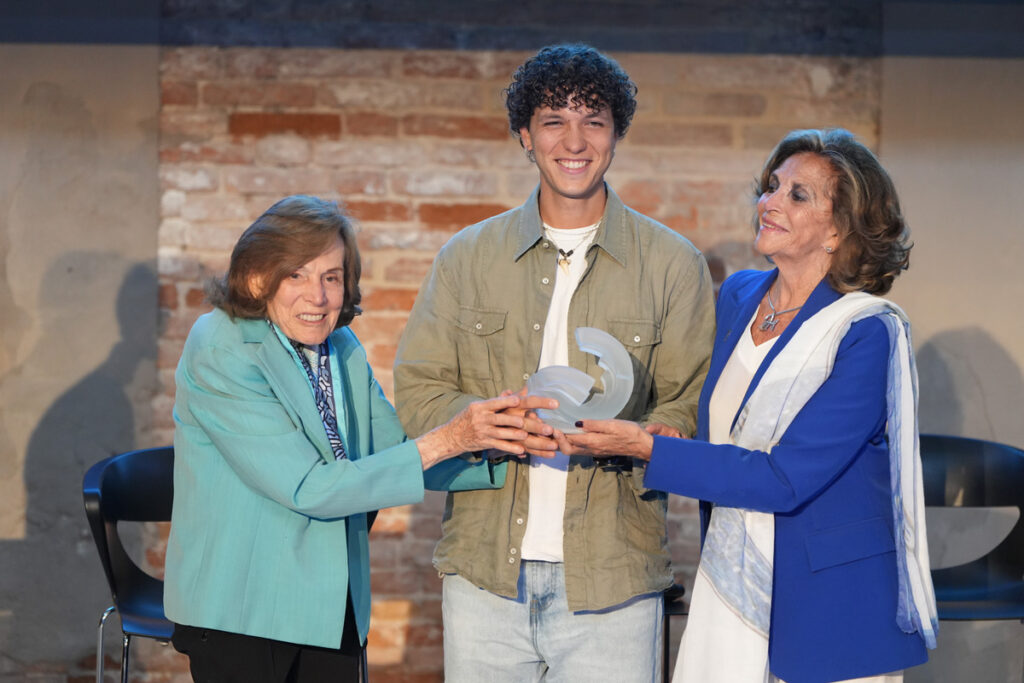
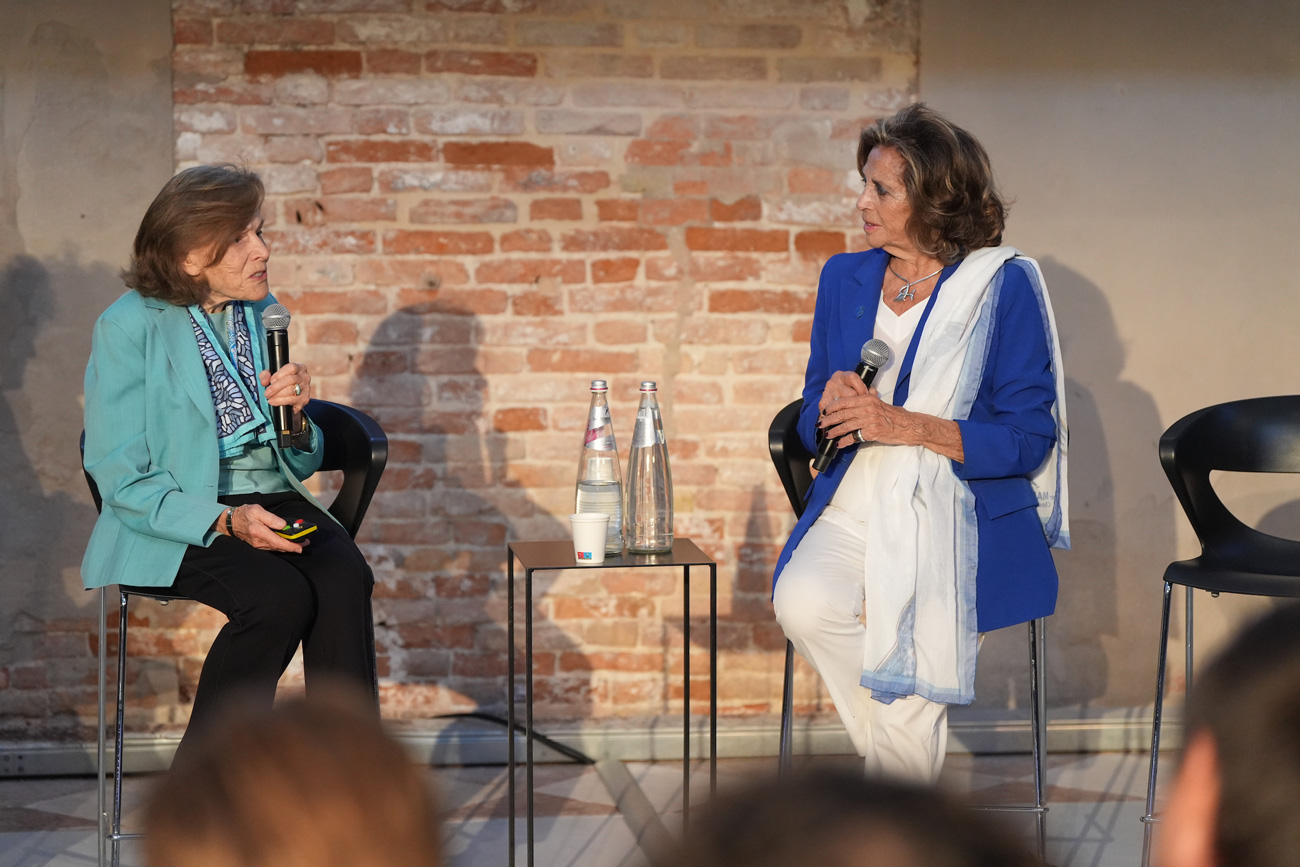
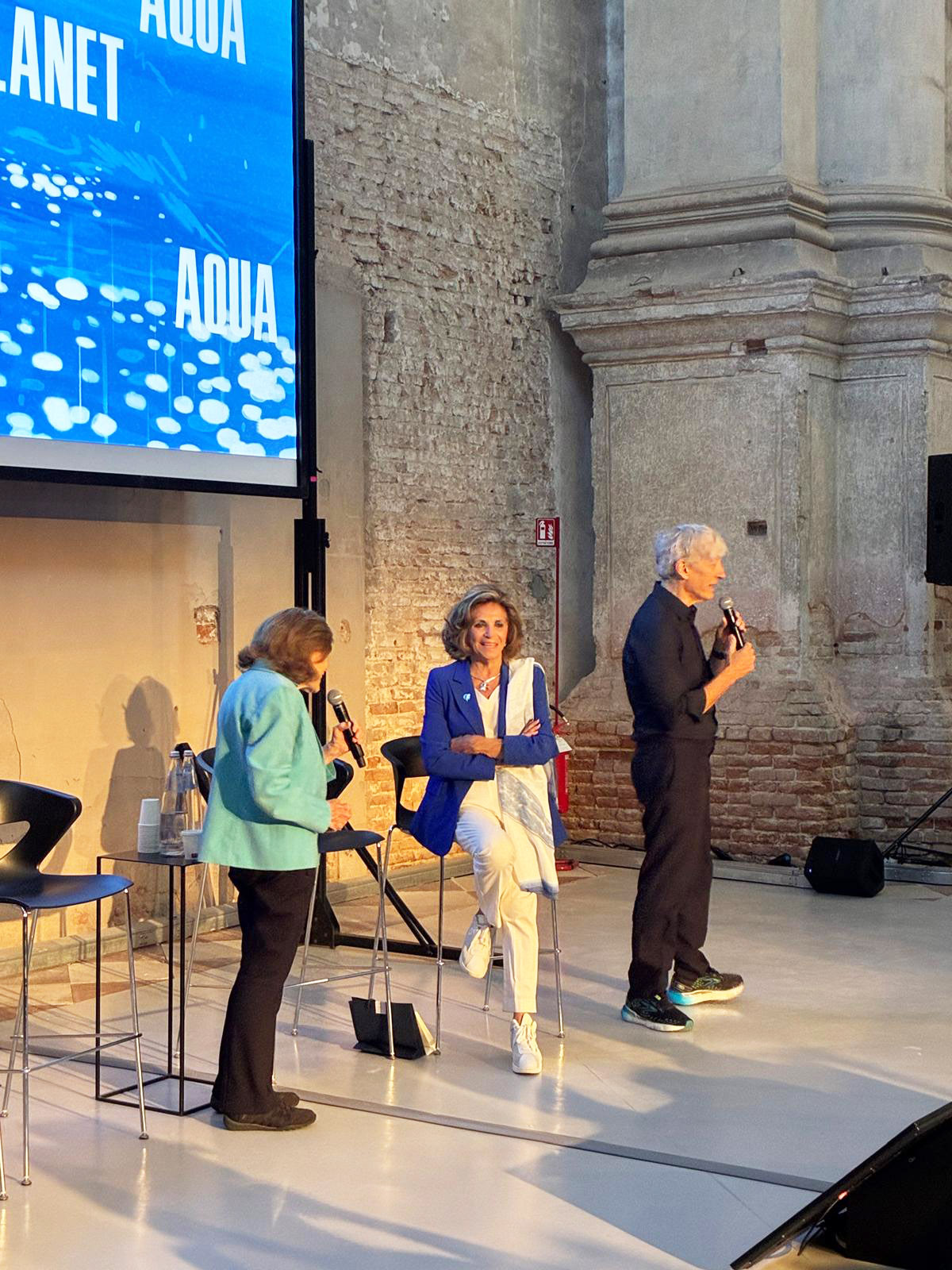
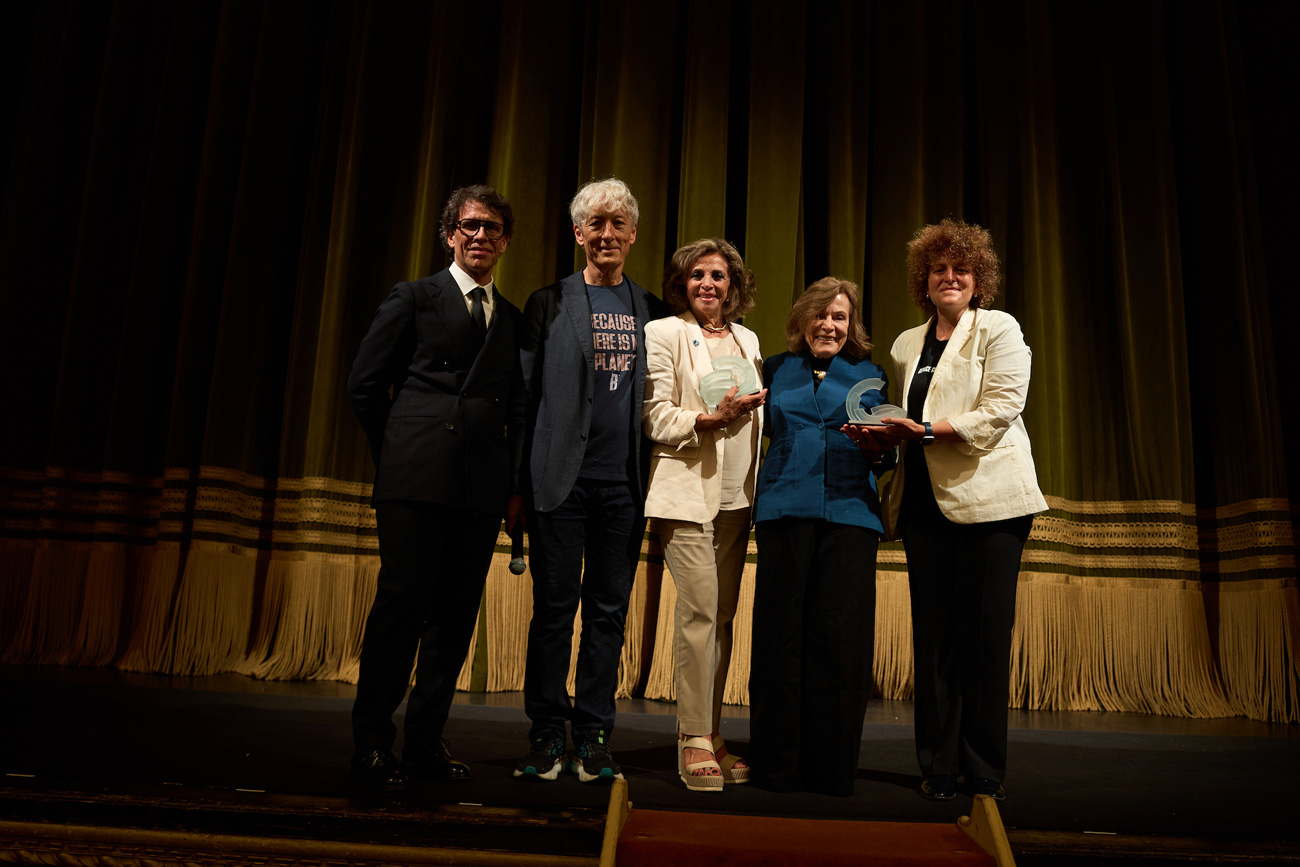
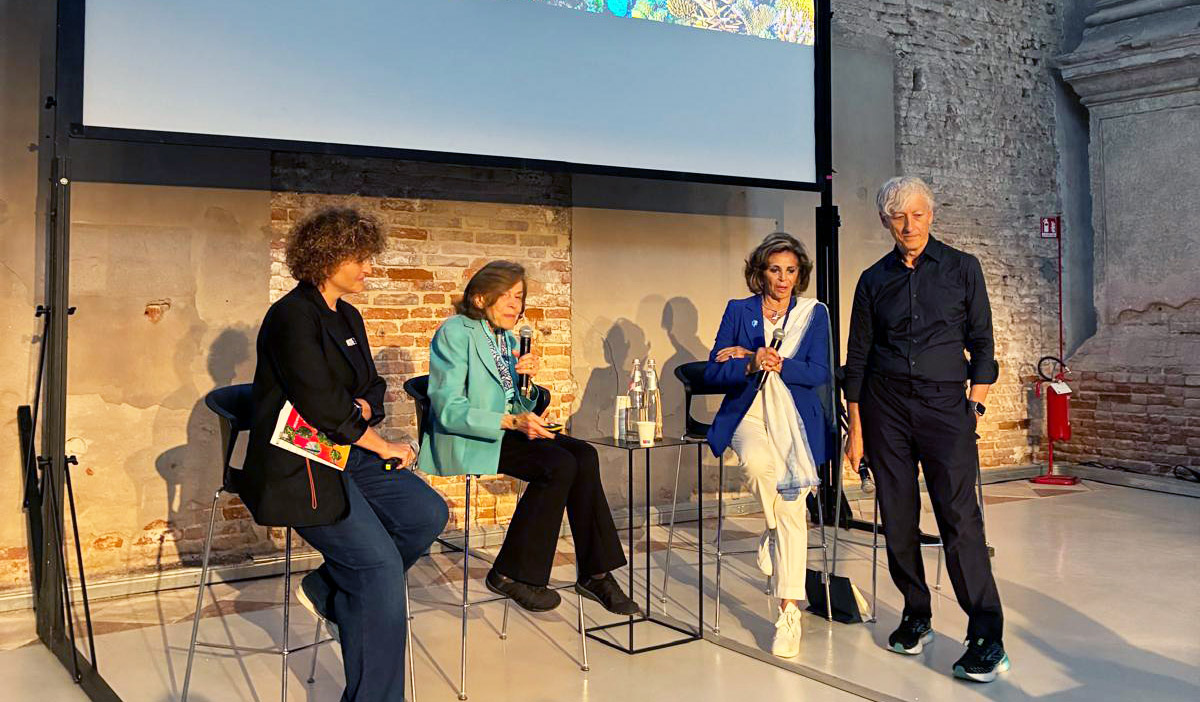
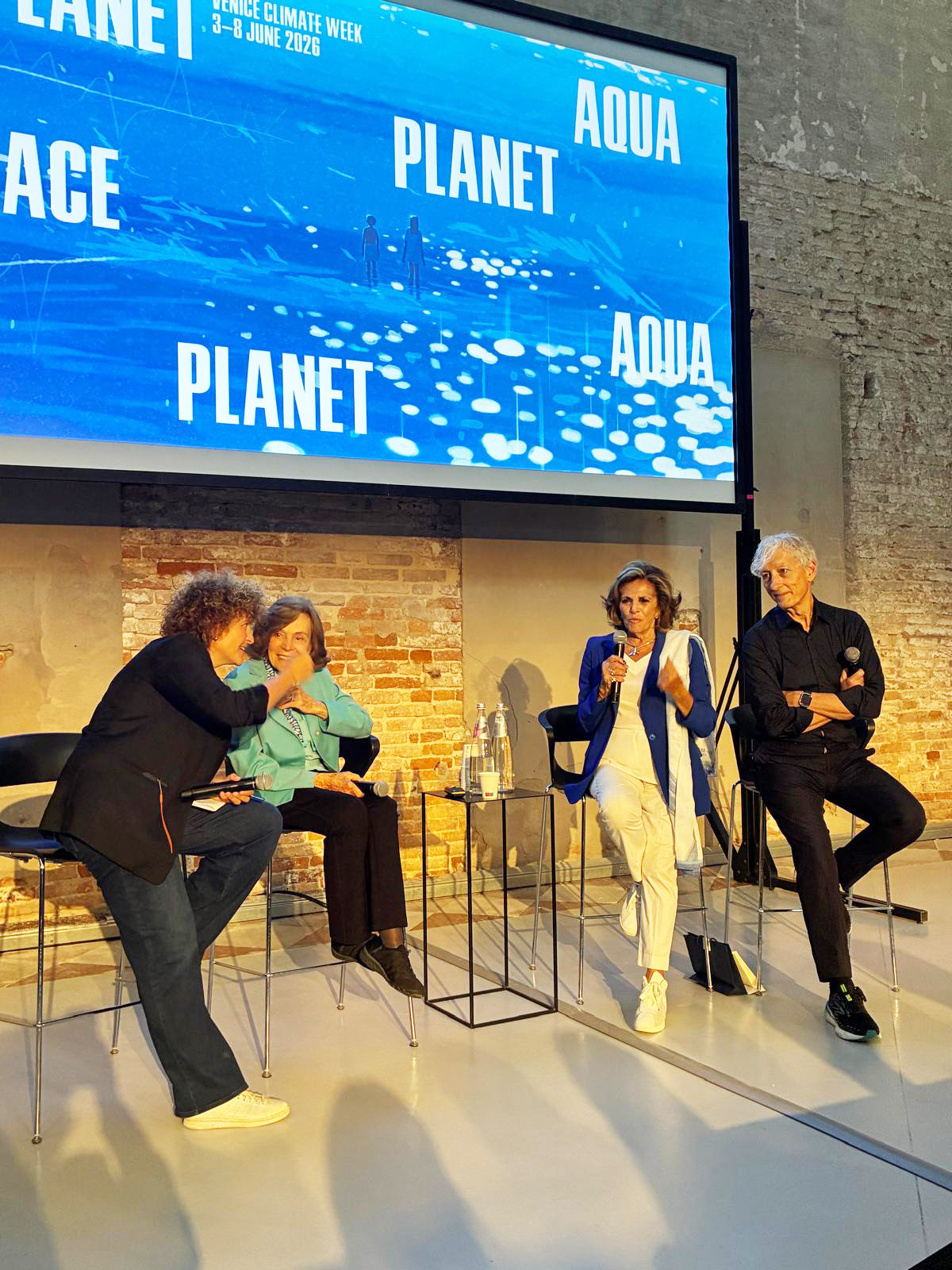
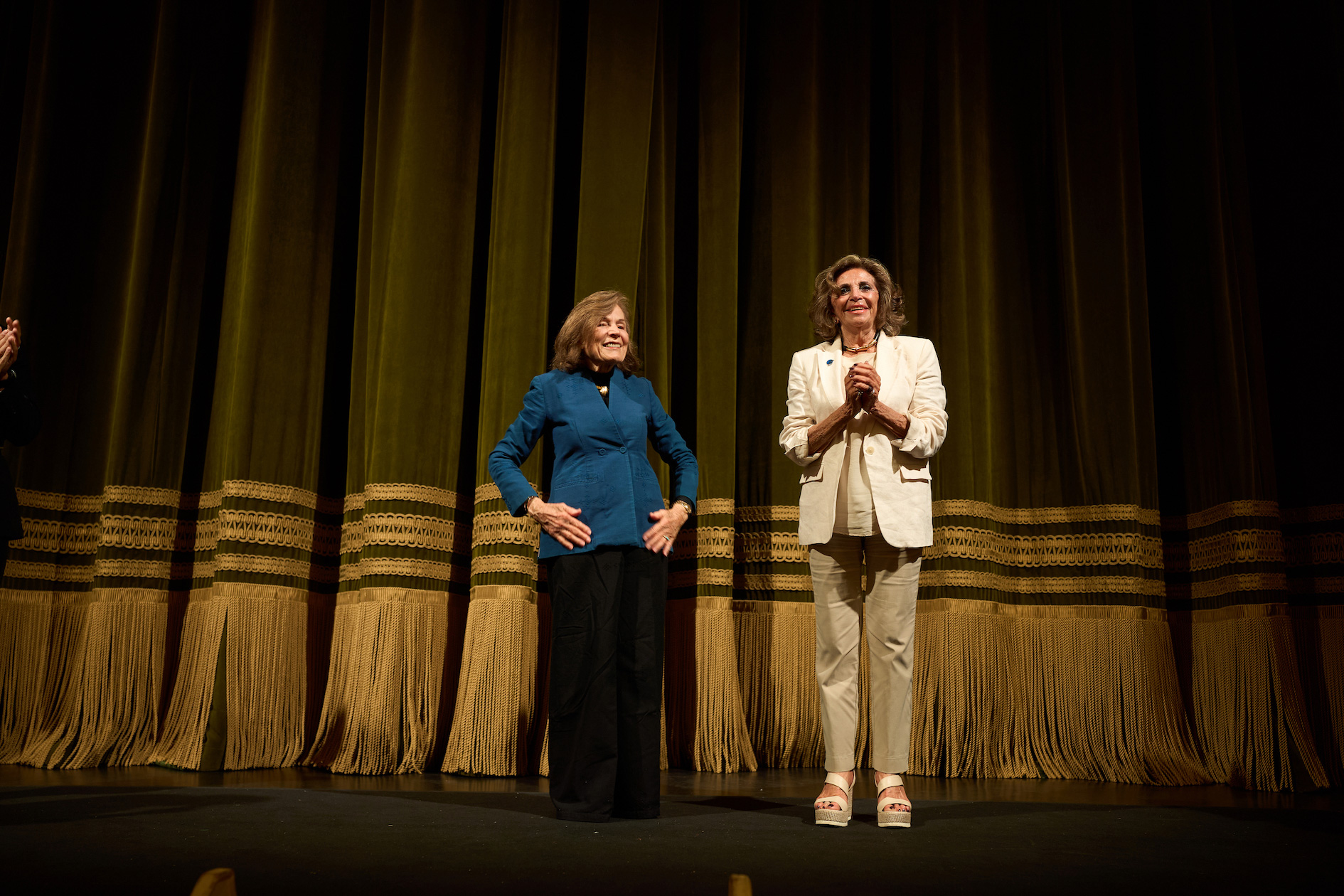
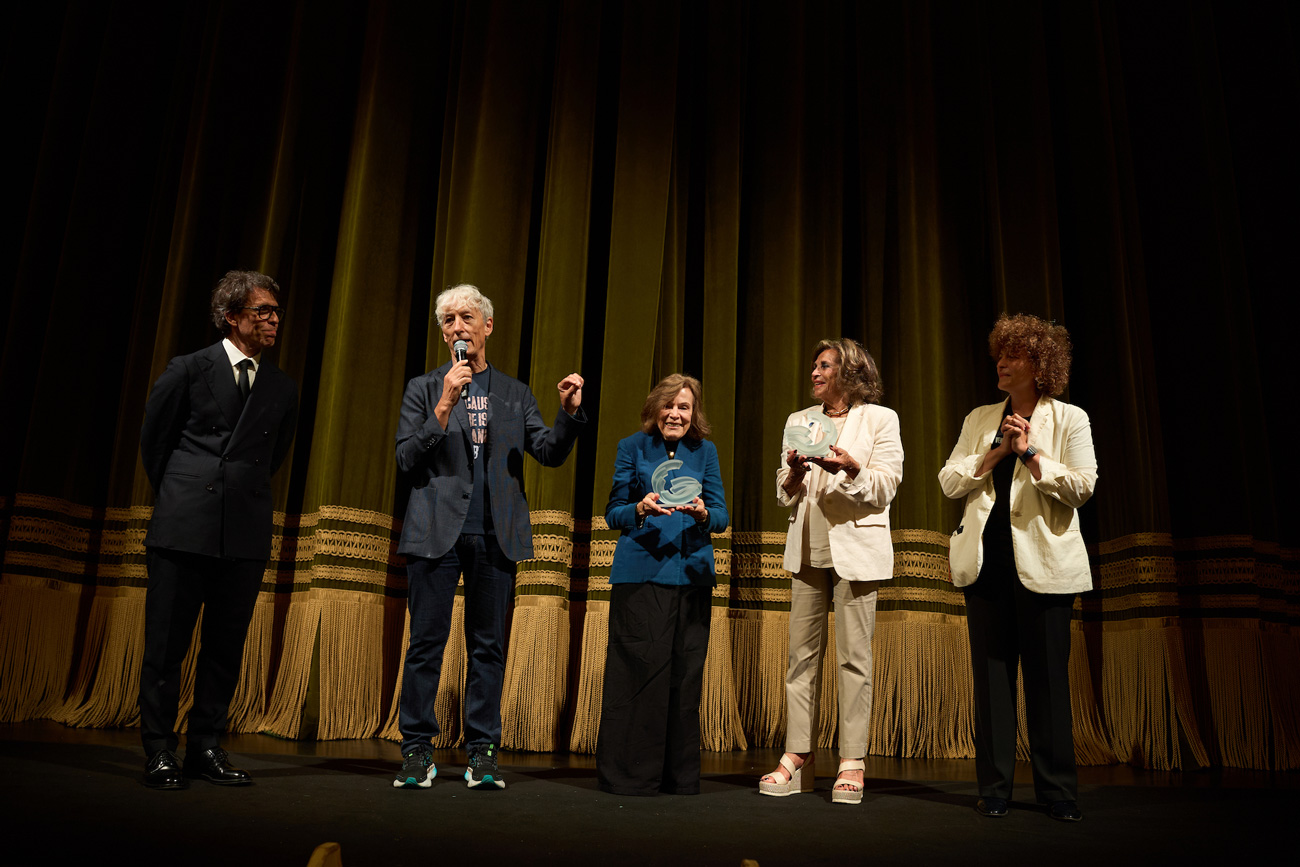
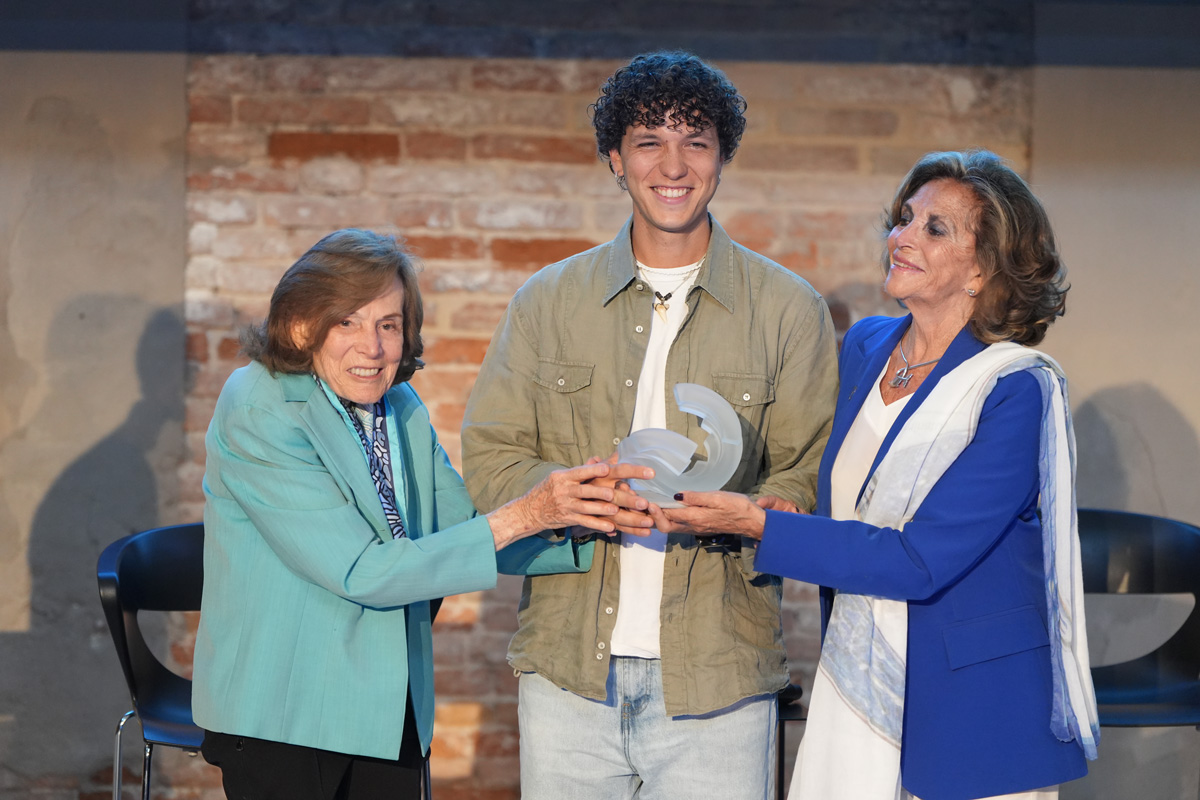
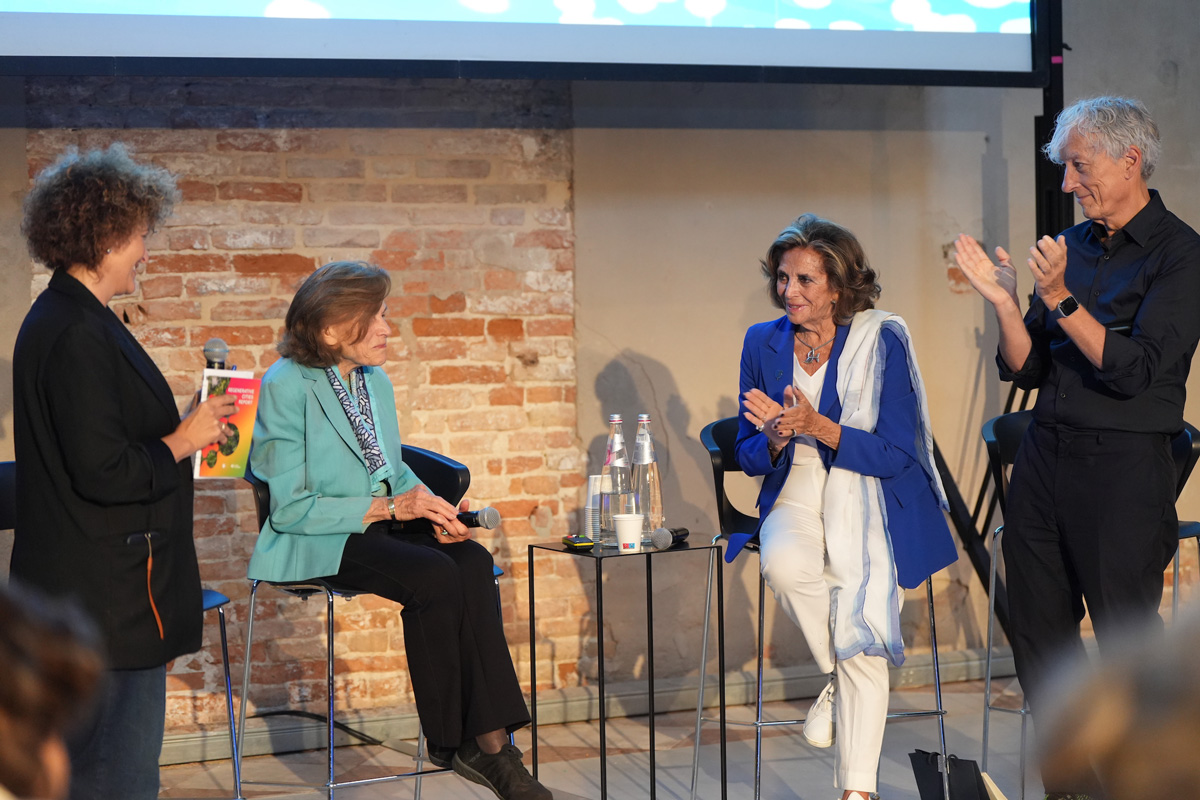
Among the most significant moments of the event was “The Queens of the Deep: A Vision for Planet Aqua”, hosted at Ocean Space and accompanied by the presentation of the Planet Aqua Award to Dr Sylvia Earle, marine biologist and oceanographer, and Rosalba Giugni, President of Marevivo Foundation, two of the world’s most authoritative voices in ocean conservation. The award carried a strong symbolic value, bringing together two lifelong commitments dedicated to protecting the sea and promoting a culture grounded in sustainability, scientific knowledge and the safeguarding of biodiversity. During the conversation, a shared conviction emerged with particular clarity: the health of the ocean is inseparable from the future of humanity. The threats facing our seas, from pollution to biodiversity loss, demand urgent action and a growing sense of responsibility from institutions, businesses and citizens alike.
The week also welcomed a number of prominent international figures, including European Commissioner for Environment, Water Resilience and a Competitive Circular Economy Jessika Roswall, renowned artist Michelangelo Pistoletto, who led the Married to the Lagoon flash mob organised by Fondazione Pistoletto Cittadellarte and took part in dialogues on Ethics, Art and Humanity, young Indian climate activist Licypriya Kangujam, and Italy’s Minister for the Environment and Energy Security Gilberto Pichetto Fratin. Their contributions enriched the dialogue between institutions, culture, activism and public policy, highlighting the need to build new forms of collaboration between territories, communities and political leaders, while reminding us that the ecological and energy transition requires long-term vision, sound scientific foundations and an ever-greater capacity for cooperation among all stakeholders.
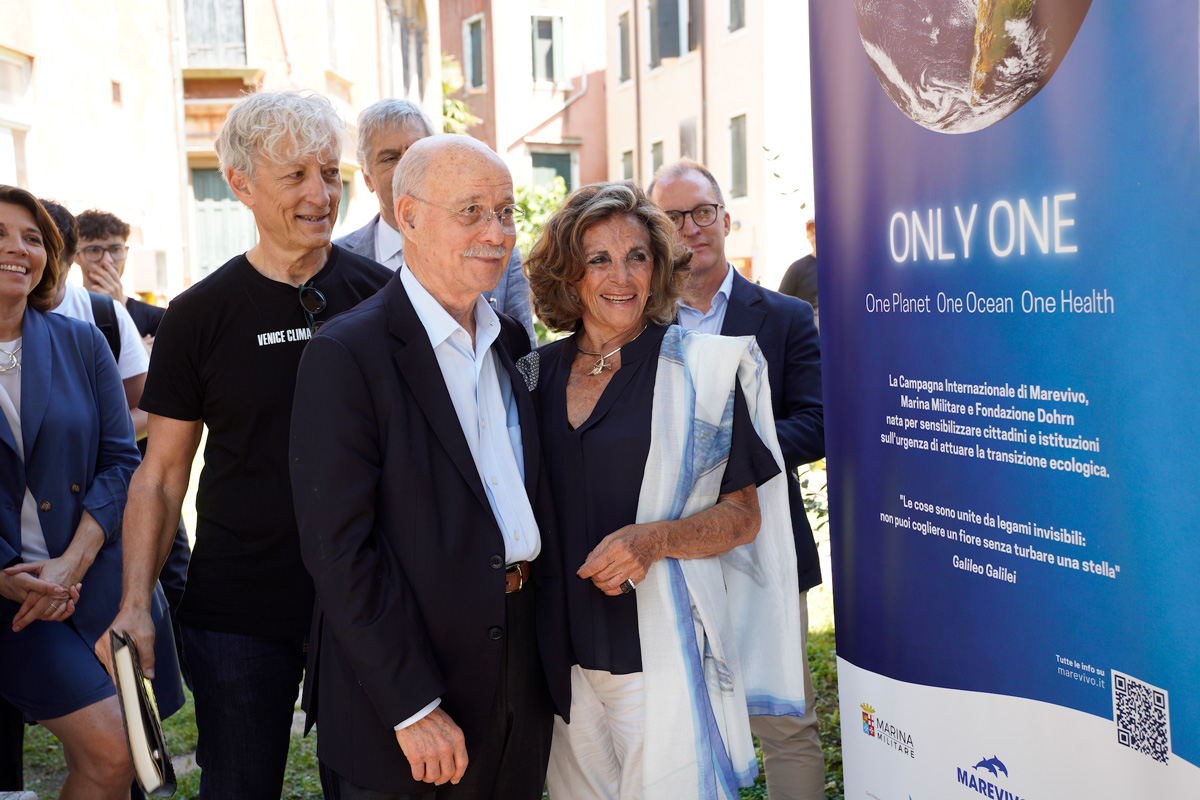
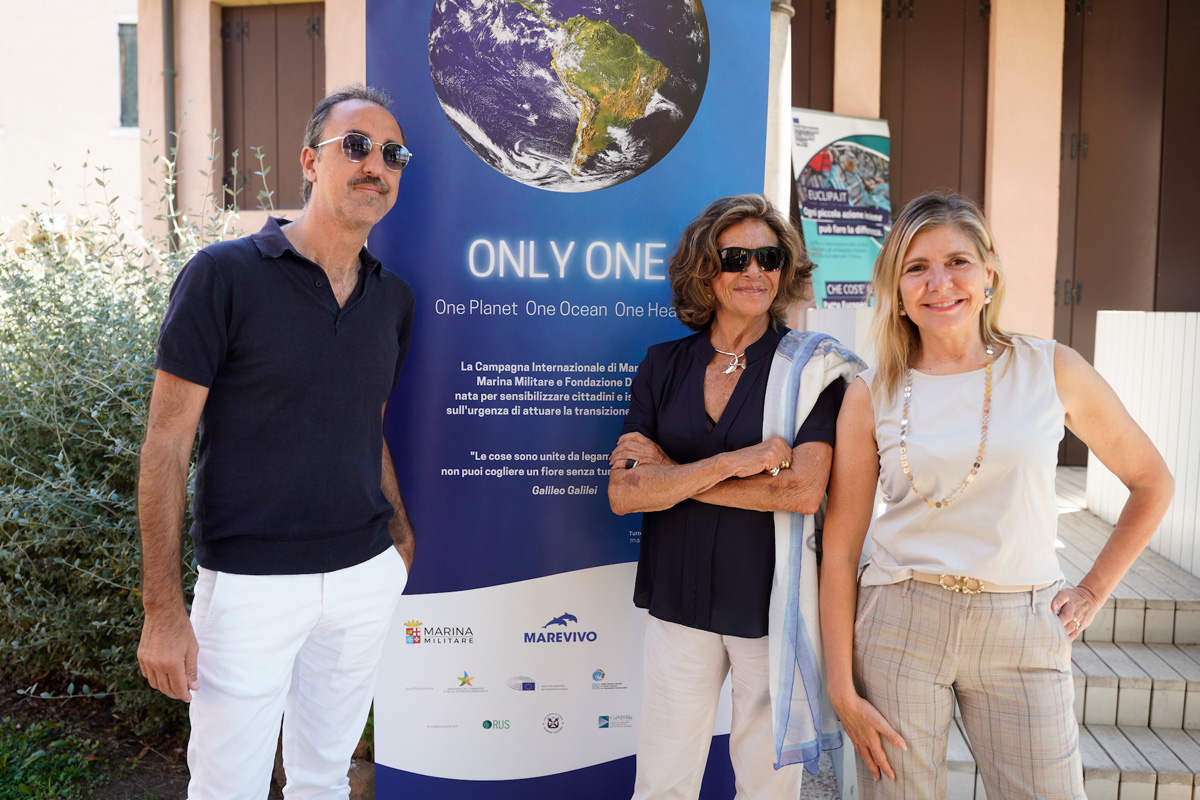
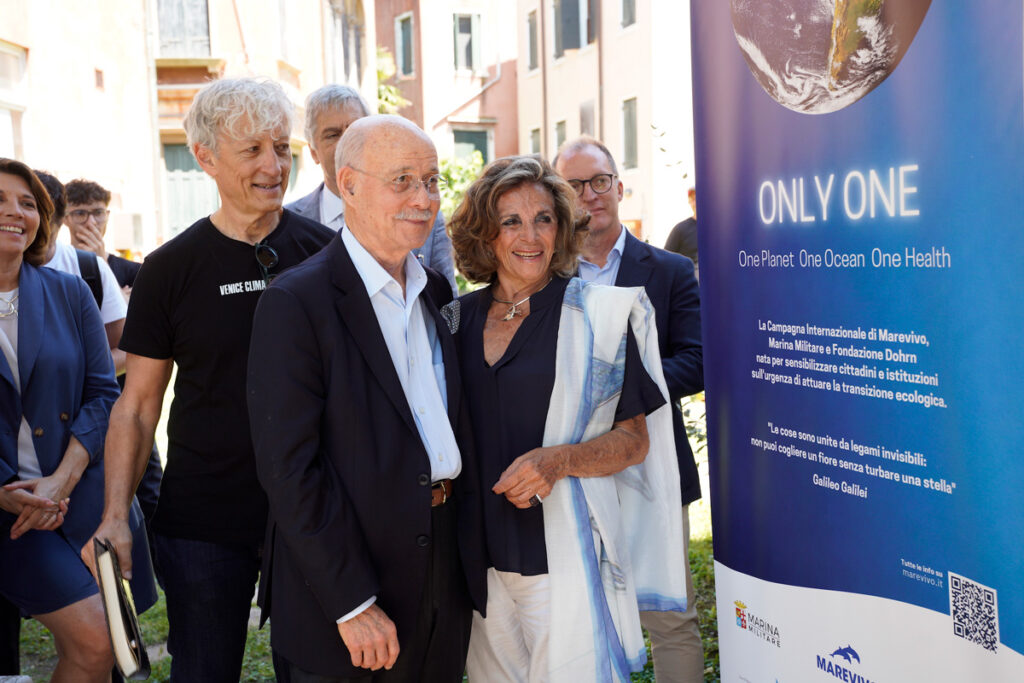
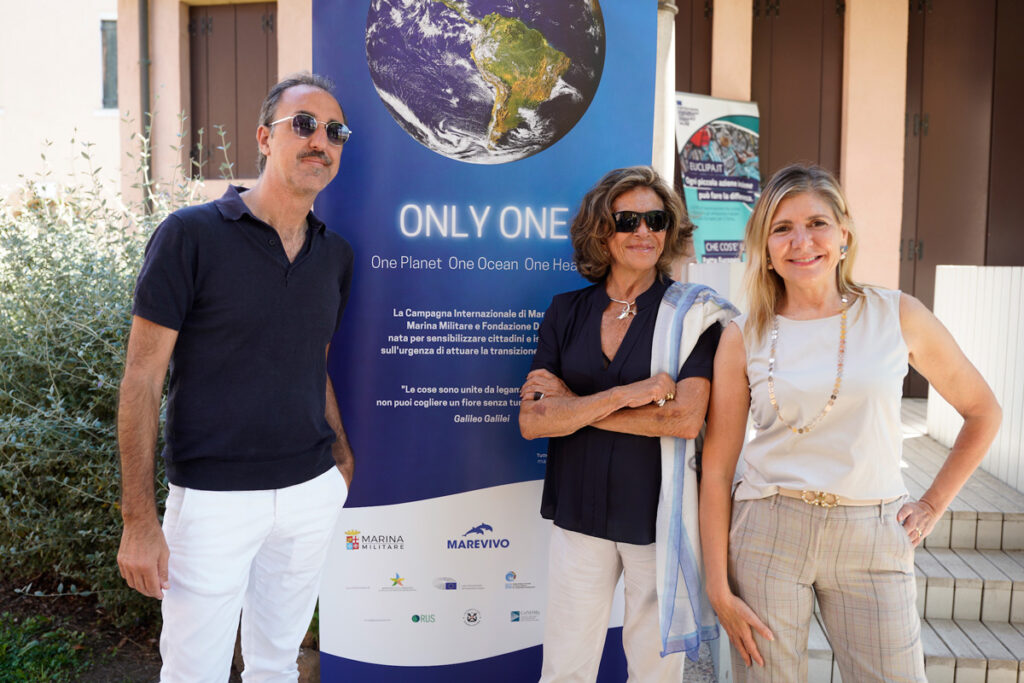
As part of the many initiatives featured during Venice Climate Week, the Biodiversity Gateway in Venice also hosted Marevivo’s exhibition Only One – One Ocean, One Planet, One Health. Through data, images and educational content, the exhibition highlighted the urgent need to accelerate the ecological transition in order to tackle the climate crisis and safeguard the ocean, biodiversity and the planet.
Venice Climate Week once again demonstrated that the climate crisis cannot be addressed by separating environment, economy and society. Everything is interconnected. Water is the thread that binds these dimensions together.
For Marevivo, there is only one path forward: continuing to build alliances, promote scientific knowledge and strengthen public awareness that by protecting the sea, we protect life itself, our own life included. Today more than ever, the future of our planet flows through water.