
A project bringing together scientific research, environmental education, urban regeneration, innovation and social participation.
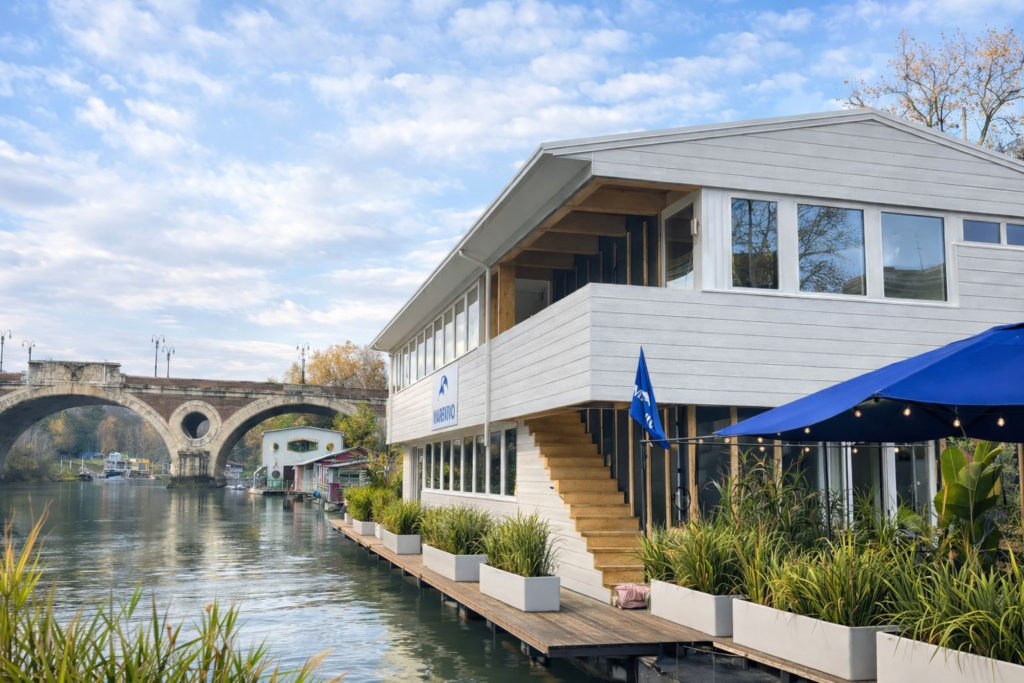
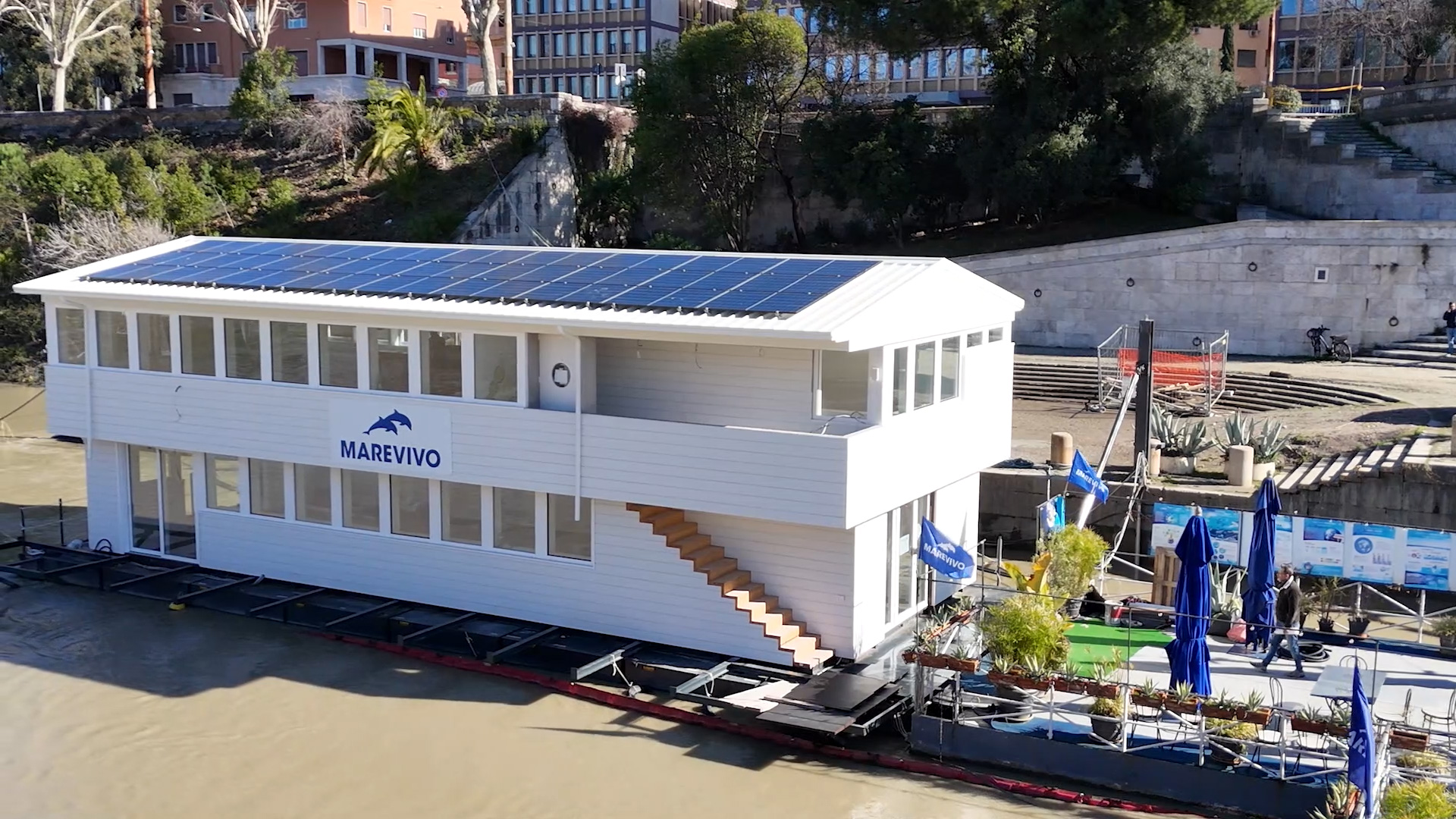
Protecting the sea and its ecosystems begins in our cities. Nearly 80% of marine pollution originates from land-based sources. This is why river and urban biodiversity now have a new home in the heart of Rome, along the banks of the River Tiber: the Marevivo Floating Hub, a project combining scientific research, environmental education, urban regeneration, innovation and civic engagement.
The new floating structure, inaugurated at Scalo de Pinedo on Italy’s National Sea Day, is the result of a collaboration between our foundation, Marevivo, the National Research Council (CNR), the Lazio Region and the Municipality of Rome. It hosts the new Centre for River and Urban Biodiversity, developed together with the CNR as part of the Biodiversity Gateway initiatives of the National Biodiversity Future Center (NBFC), the national centre funded through Italy’s National Recovery and Resilience Plan (PNRR) to protect and enhance Italian and Mediterranean biodiversity.
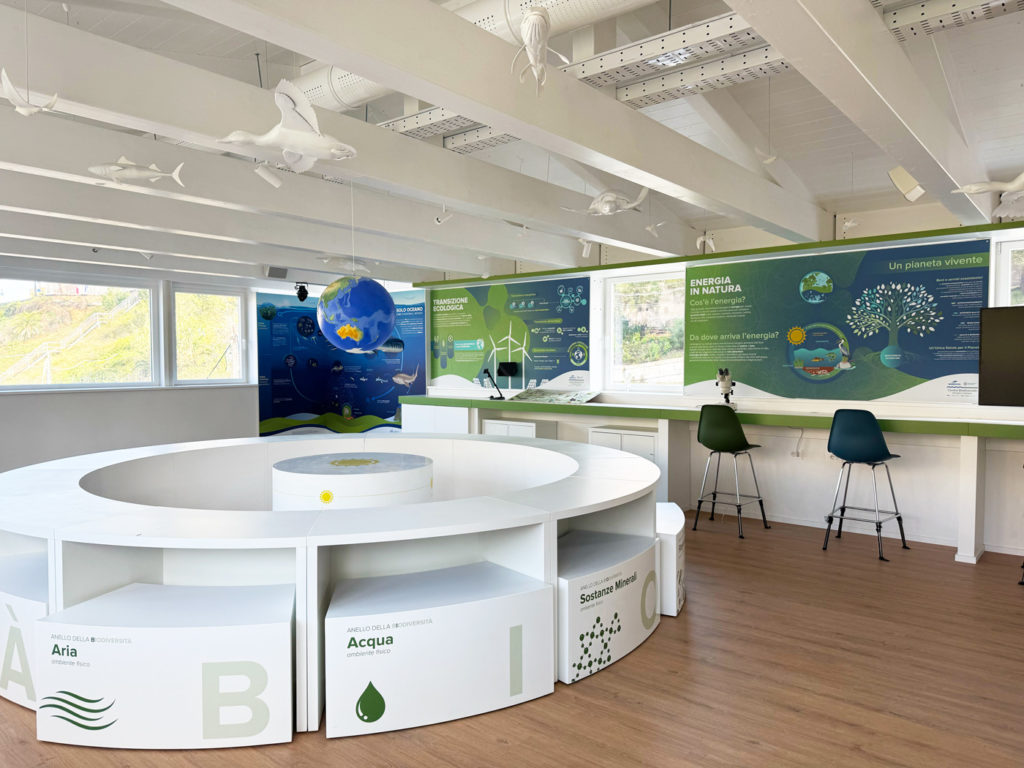
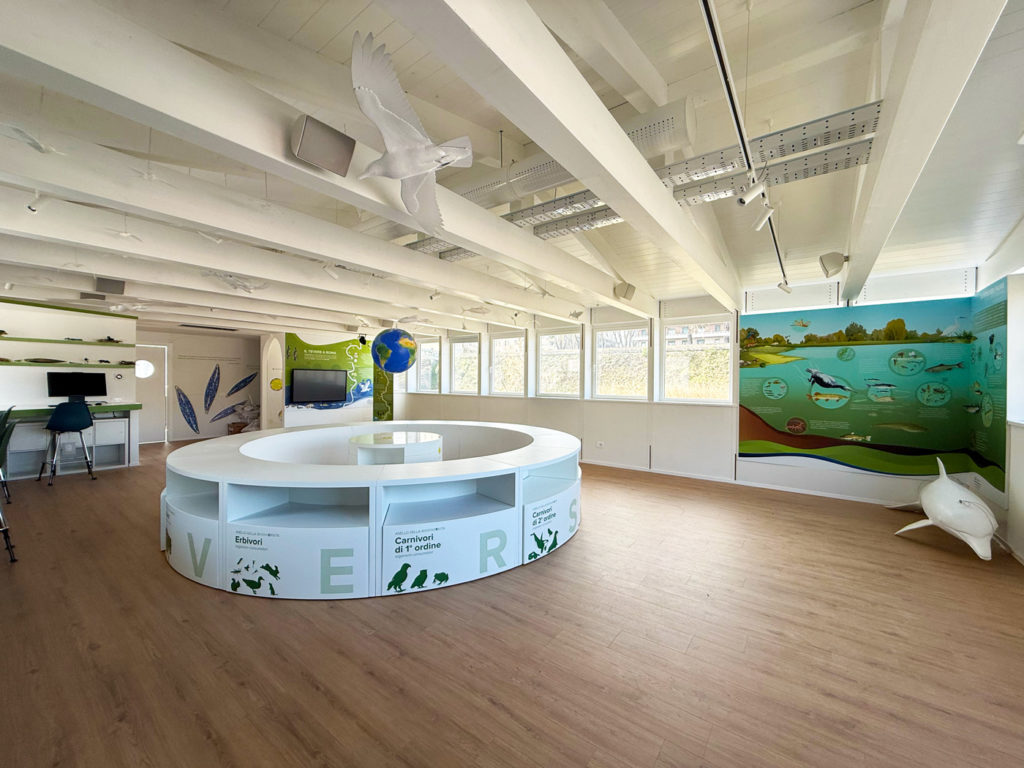
The Hub is designed as a permanent outpost for research, environmental monitoring, data collection and biodiversity protection, fully integrated into the urban fabric of the city.
For Marevivo, the site also carries deep symbolic significance. It was here that the Foundation’s former floating headquarters stood before sinking in 2010 during a period of exceptionally low water levels on the Tiber. From that loss began a long process of reconstruction, which has now returned to the city a fully regenerated public space. Around 60 tonnes of waste were removed from the riverbed and riverbanks as part of a major environmental clean-up operation carried out for the project.
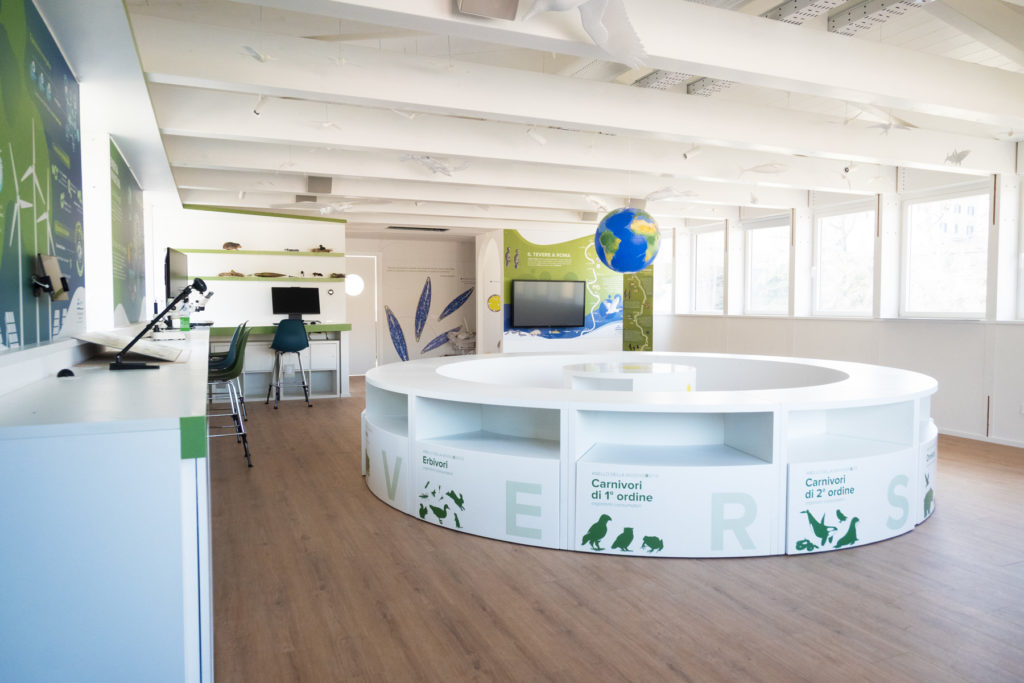
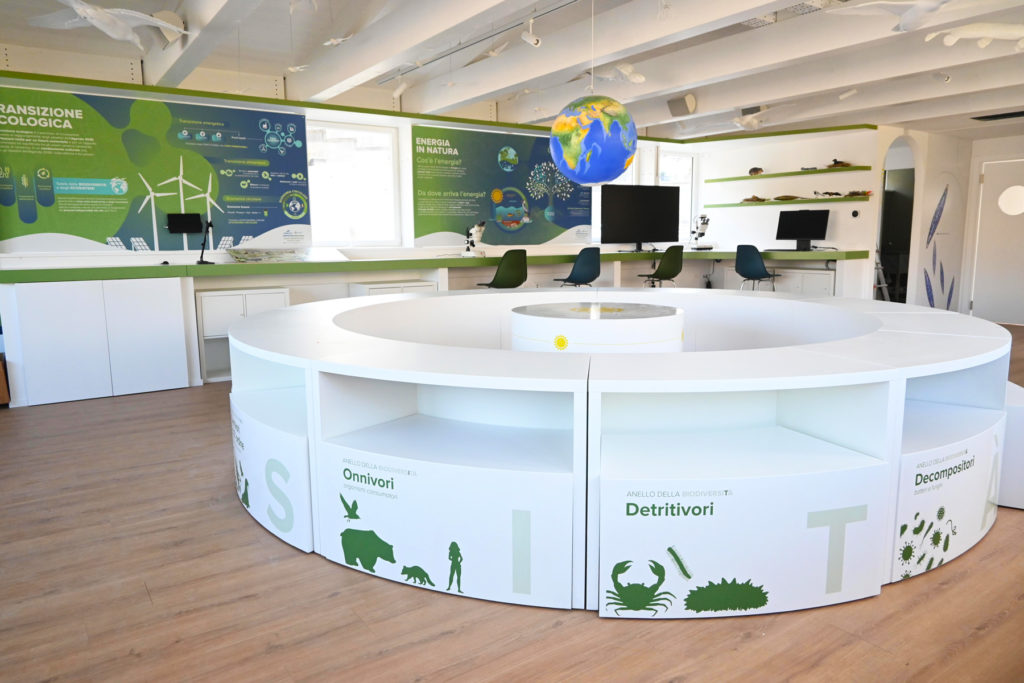
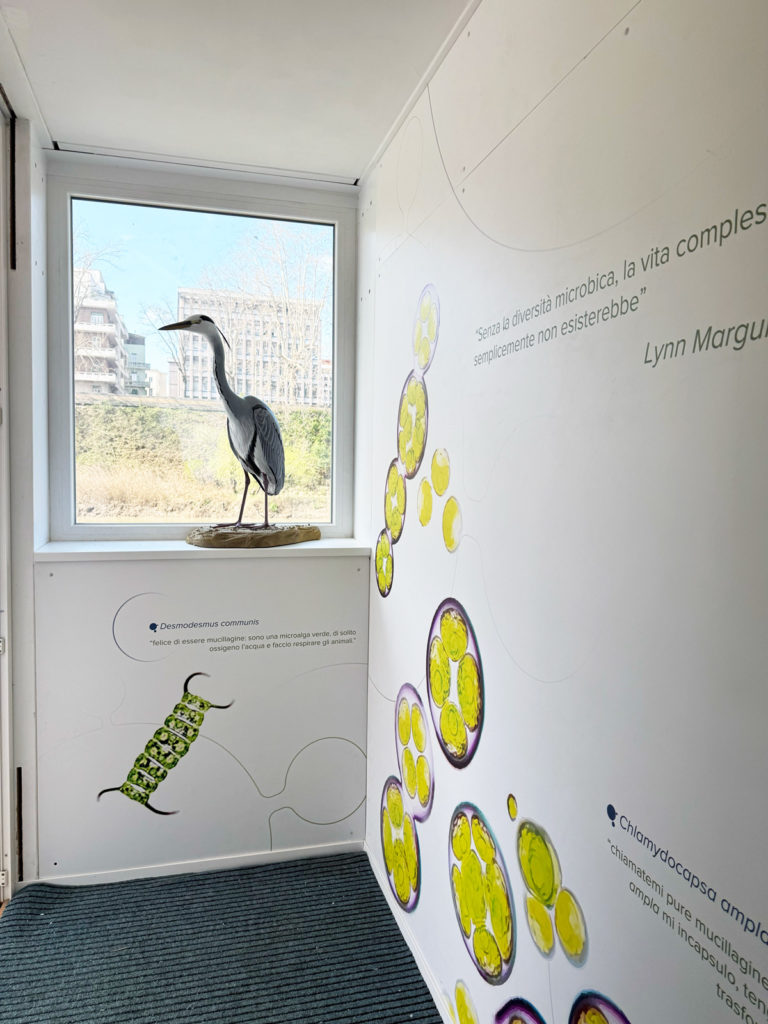
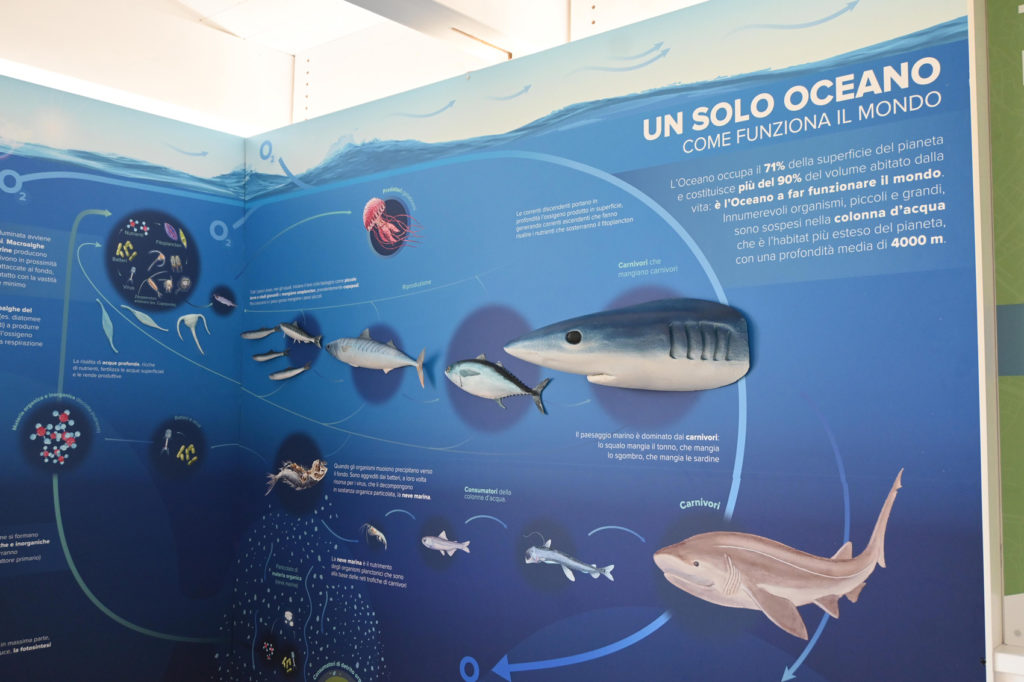
The Centre’s mission is to build a bridge between science, citizens, institutions and businesses. It will host research and analysis activities, scientific outreach programmes, school workshops, citizen science initiatives and technological tools dedicated to the study of river and urban ecosystems. Scientific activities will be coordinated by the CNR Department of Earth System Science and Environmental Technologies together with CNR-Ismar.
The project also connects Rome to the national Biodiversity Gateway network, linking the Tiber hub with other Italian biodiversity centres from Venice to Palermo and from Naples to Lecce. The goal is to make scientific knowledge more accessible and turn it into concrete actions for ecosystem protection, strengthening the relationship between research and local communities.
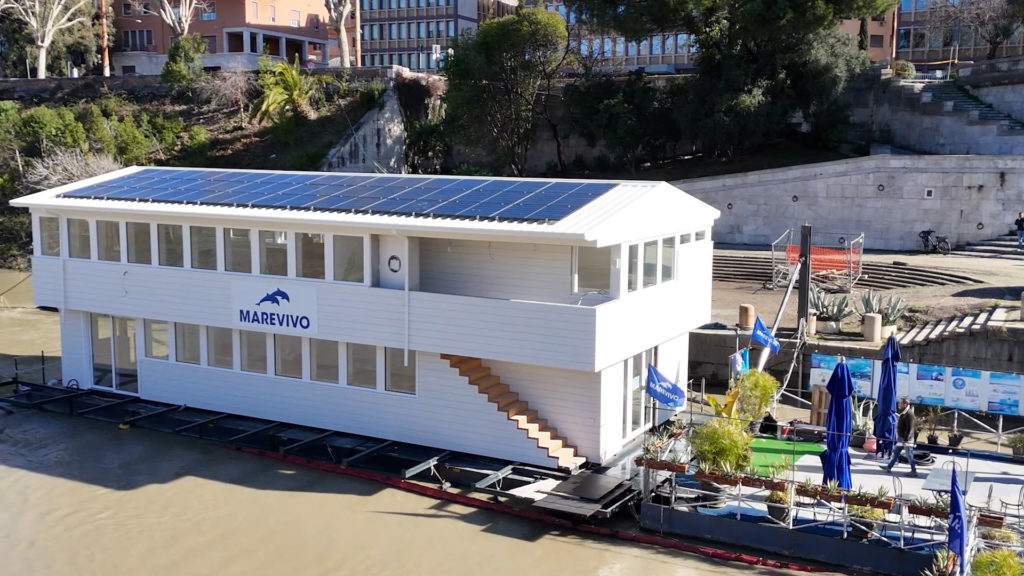
The Marevivo Floating Hub also represents a practical model of applied sustainability. Built using environmentally sustainable materials, the structure is energy self-sufficient thanks to photovoltaic panels and renewable energy systems. It will also serve as the starting point for the Tiber’s first Renewable Energy Community, Un Fiume di Energia (“A River of Energy”), promoted by Marevivo to encourage the use of renewable sources and experiment with new forms of urban energy participation.
The strategic importance of the project is further enhanced by the location of the Centre next to the Lungotevere delle Navi Nature Oasis, inaugurated by the Municipality of Rome in March 2025. In this way, the River Tiber returns to the centre of urban life – recognised not only as a historic and symbolic element of the Italian capital, but also as an ecological corridor and a living laboratory of urban biodiversity.
Knowledge must become active protection and tangible action, involving institutions, communities, researchers and businesses alike. The Marevivo Floating Hub was created from precisely this need: to promote cultural change through participation and collaboration.
We have limited resources and only one planet. That is why we must protect it. Life itself is only possible thanks to seas and oceans, and preserving them begins with all of us – starting from our rivers and our cities.
Article published on our Huffington Post blog on 8 May 2026.