

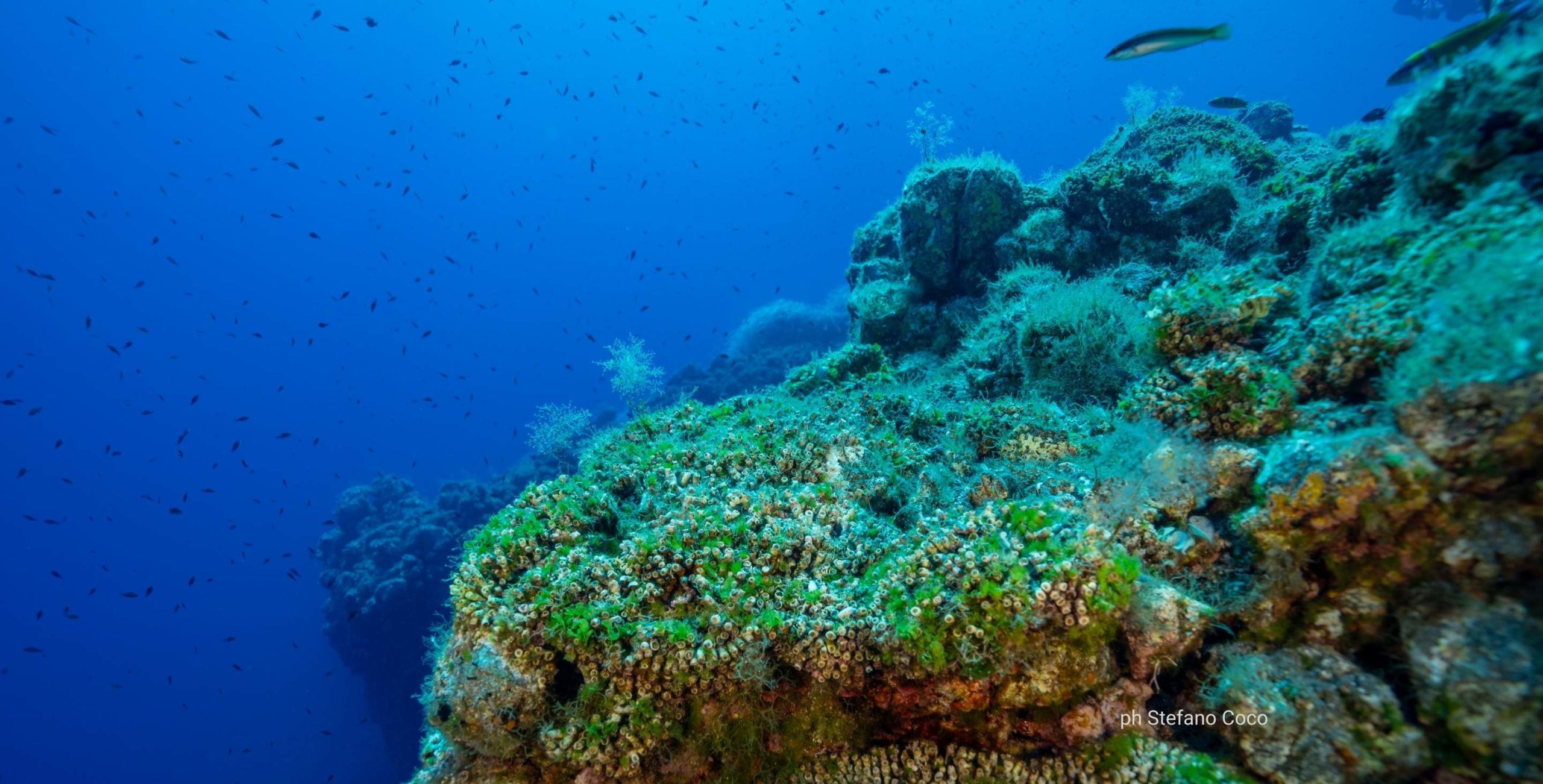
Are you a scuba diver? Join the contest to help protect Cladocora!
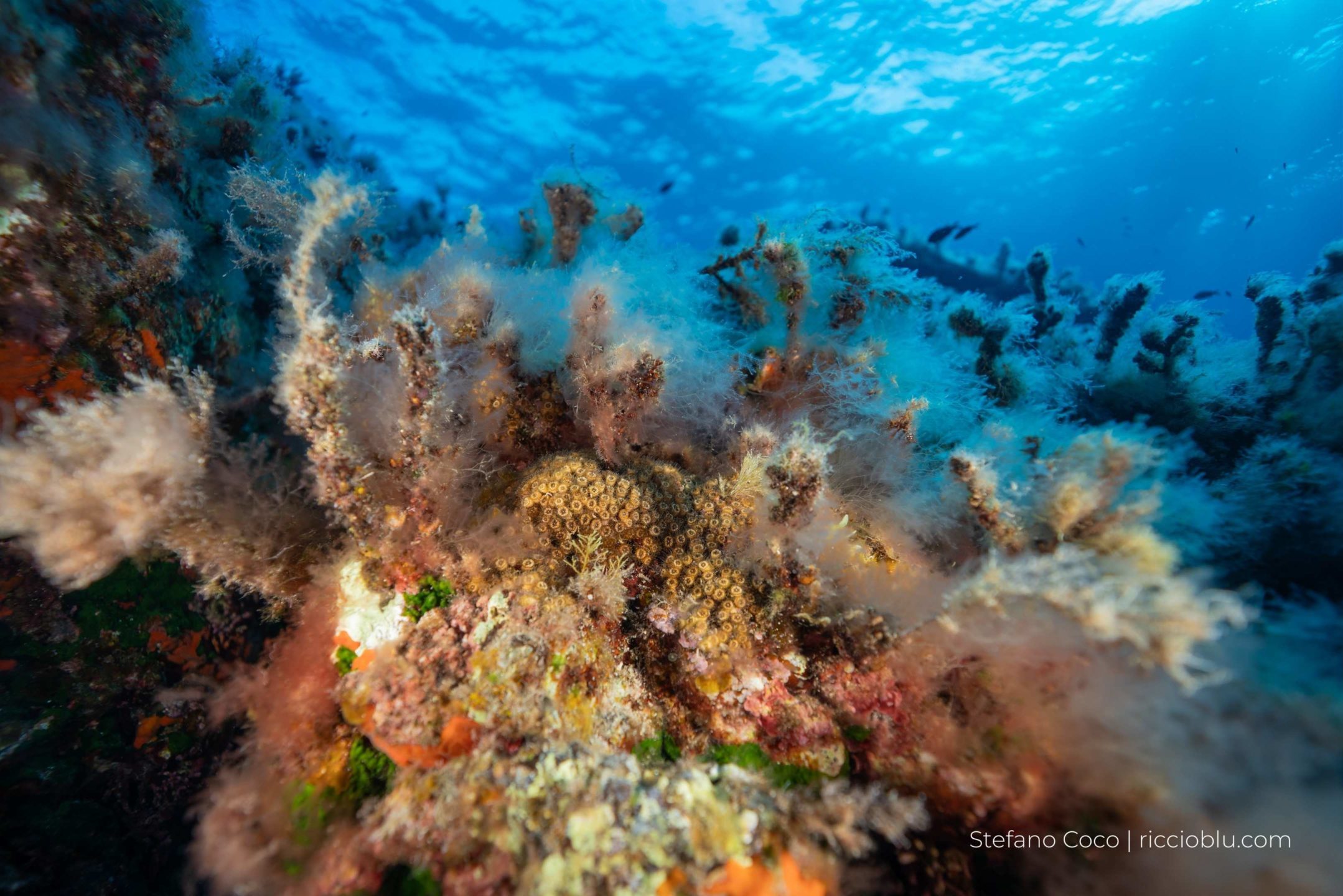
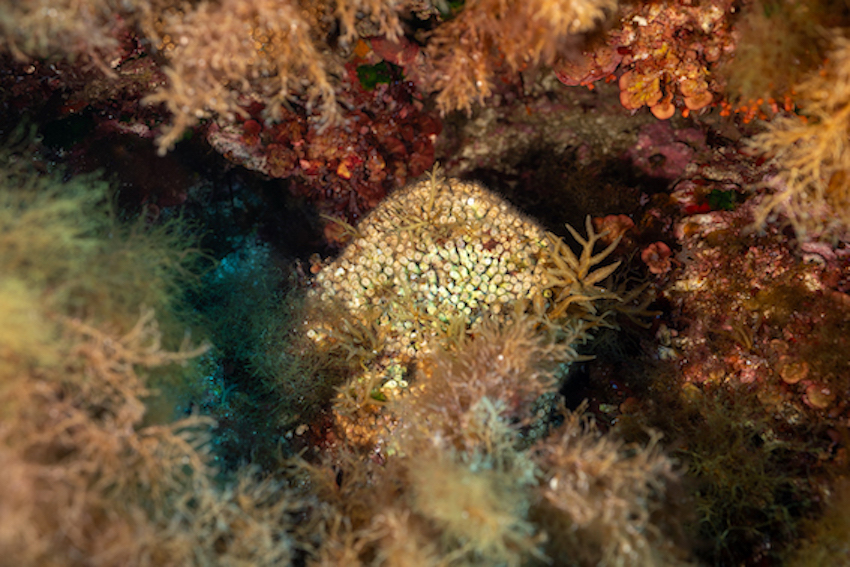
A project to restore degraded Cladocora caespitosa areas in the waters off Ustica Island, where colonies occur in varying states of conservation.
WHERE DOES THE PROJECT TAKE PLACE
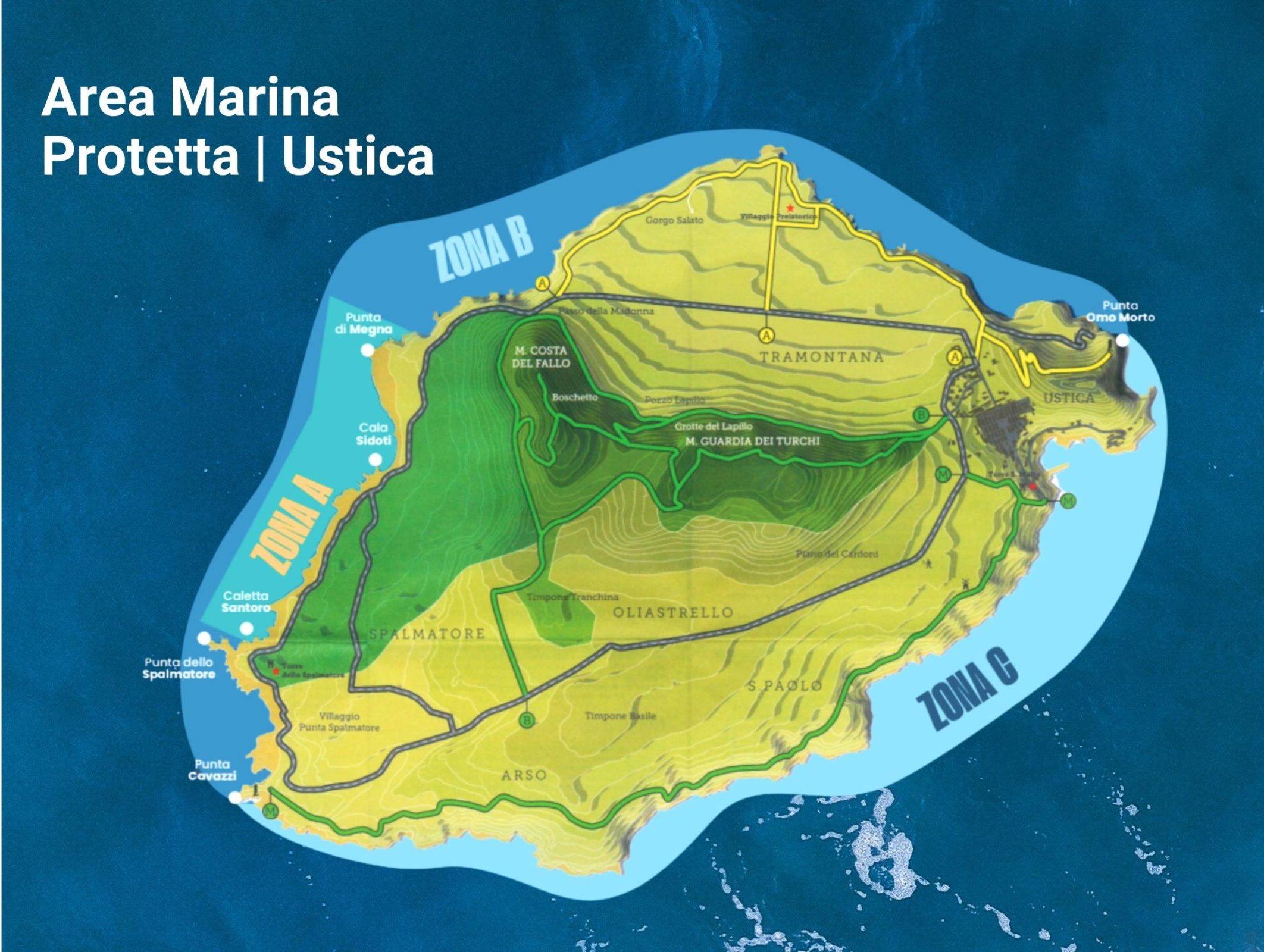
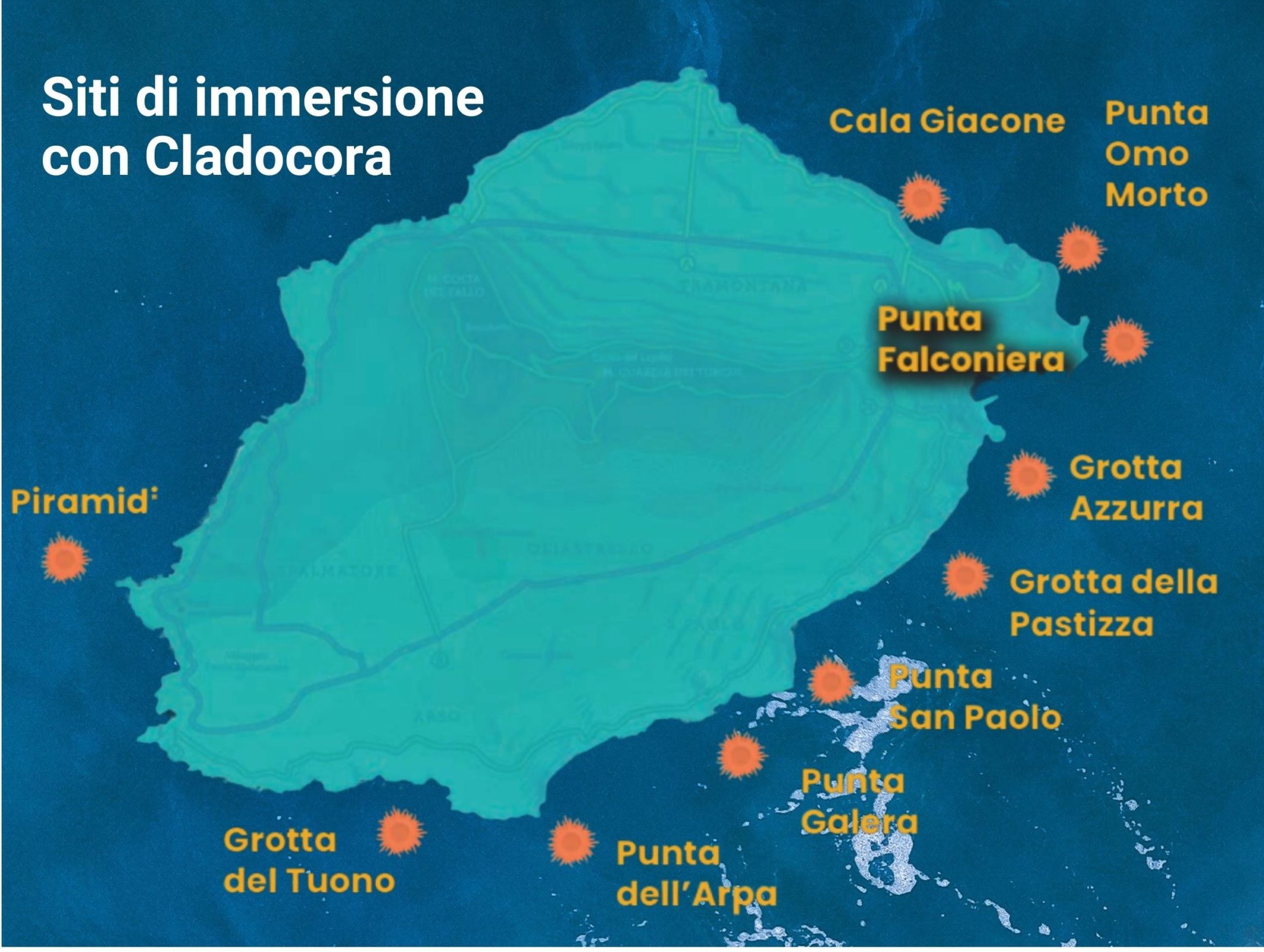
This project protects not only Cladocora caespitosa, but the entire ecosystem it helps build—and it can be replicated in other areas of the Mediterranean.
Project phases
Census and research
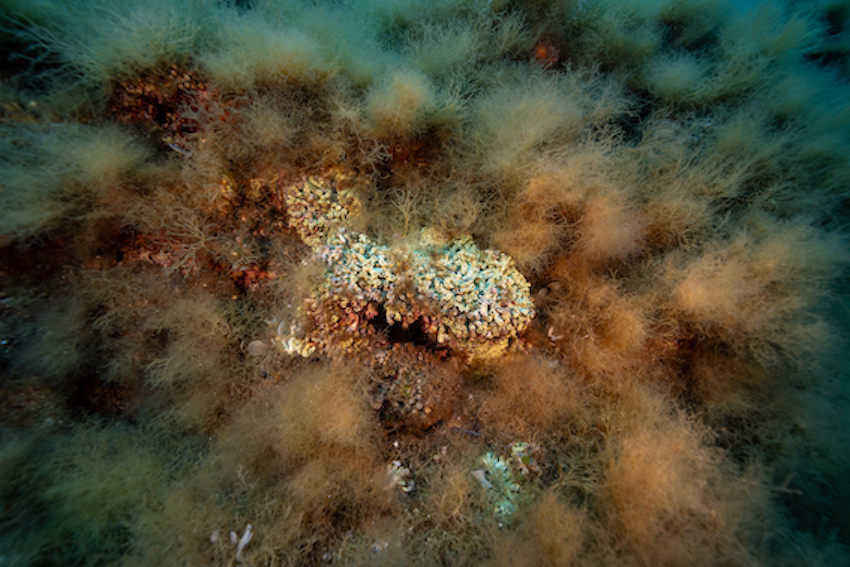
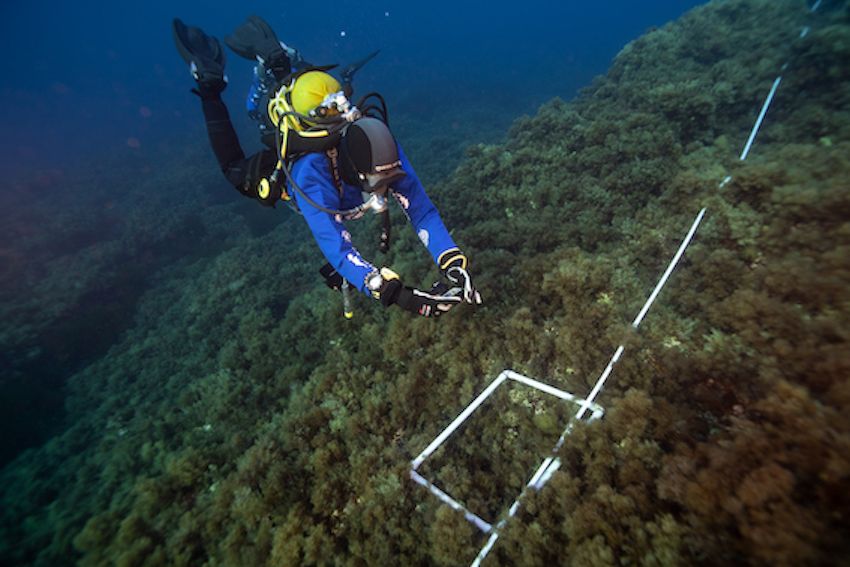
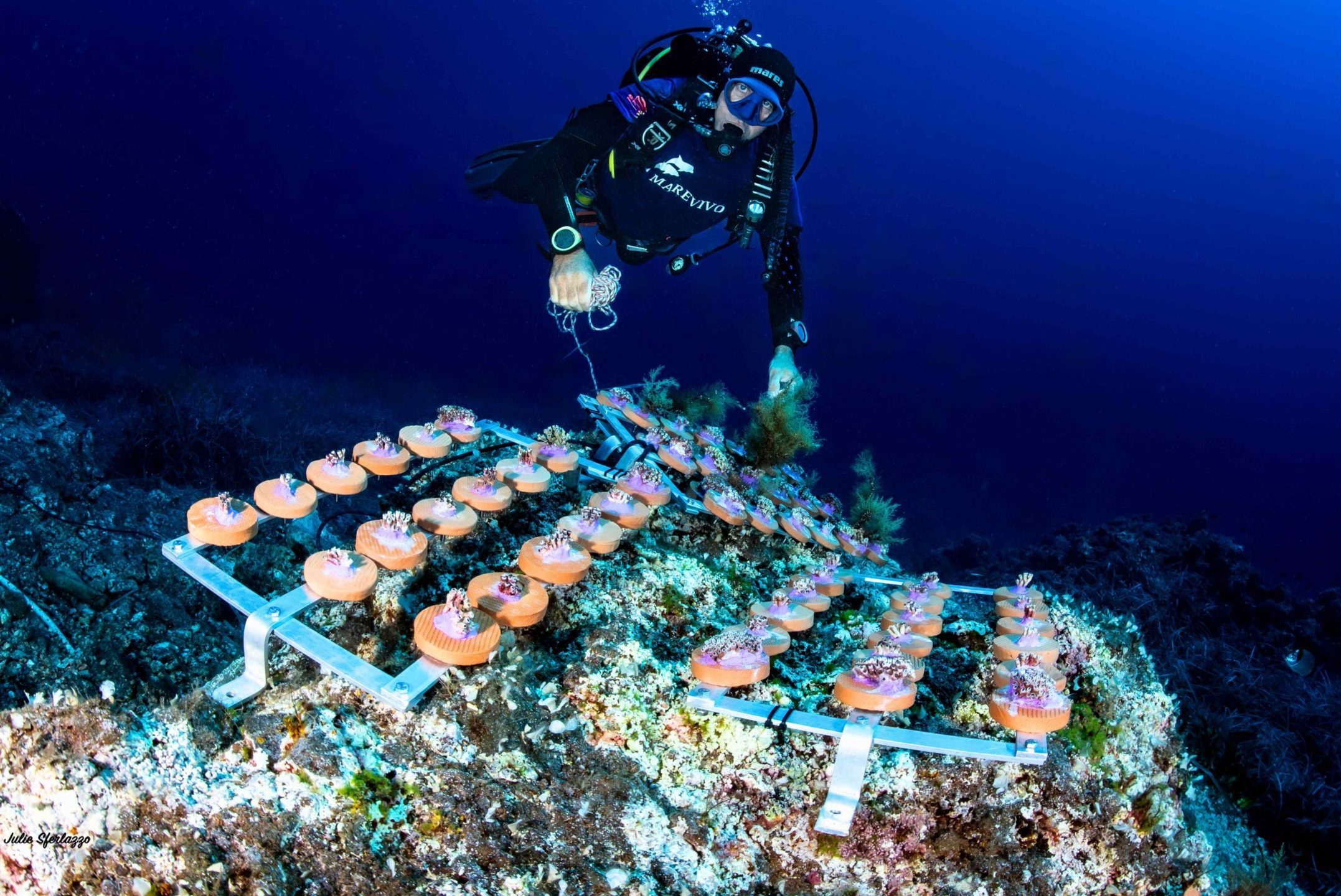
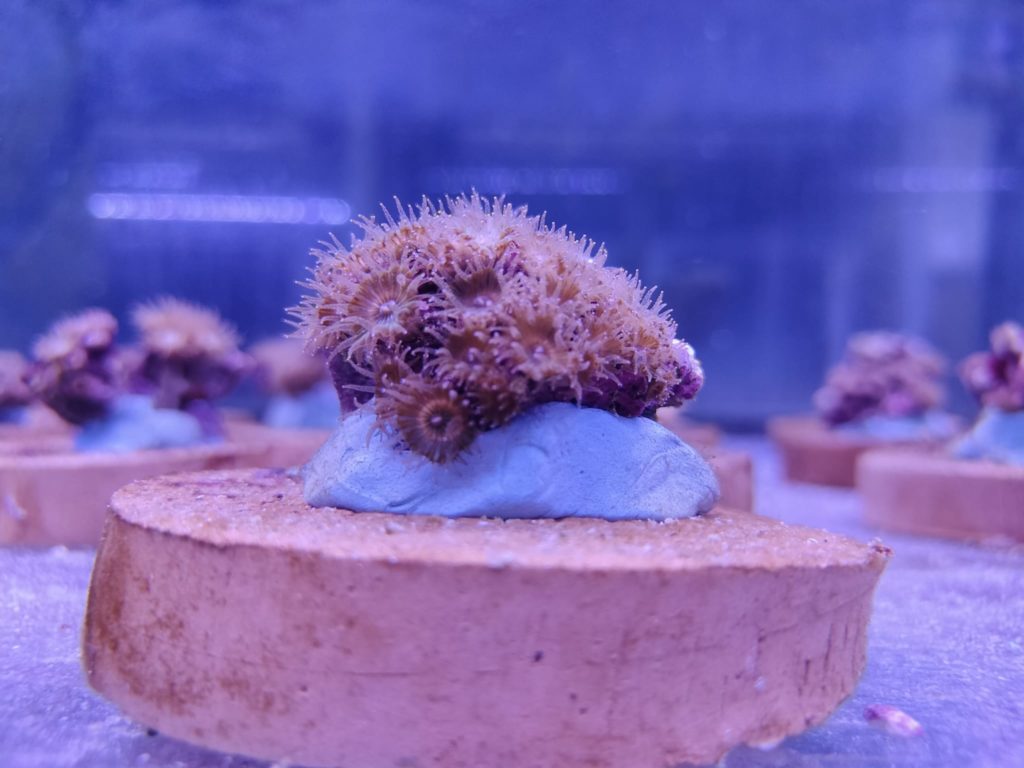
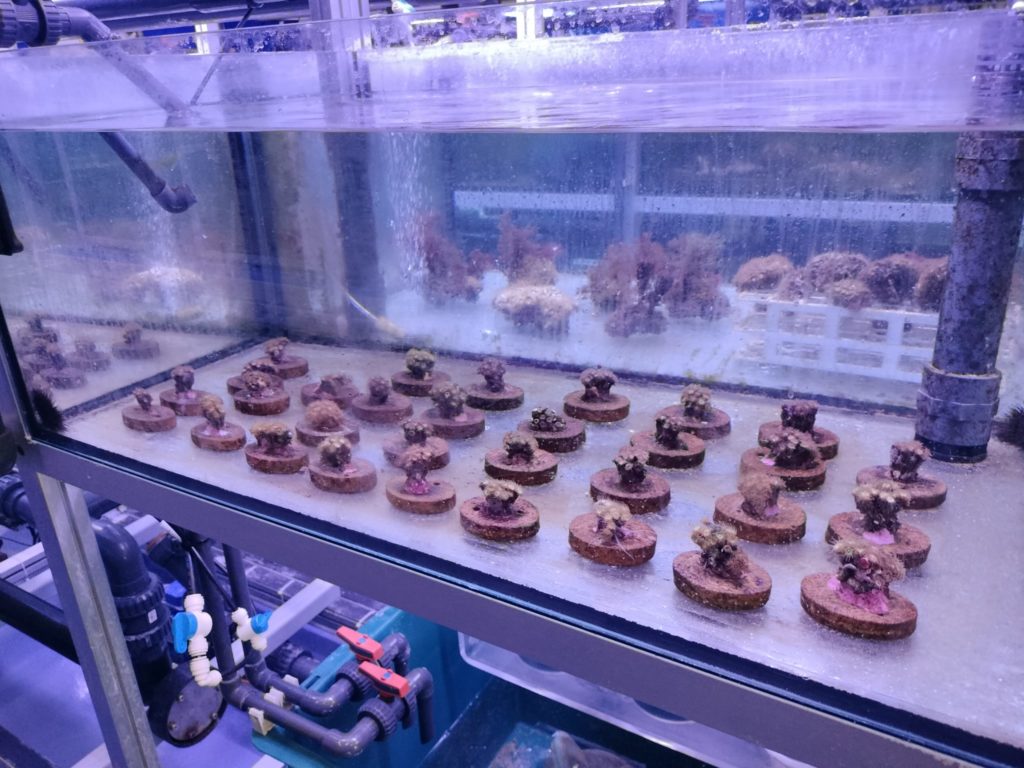
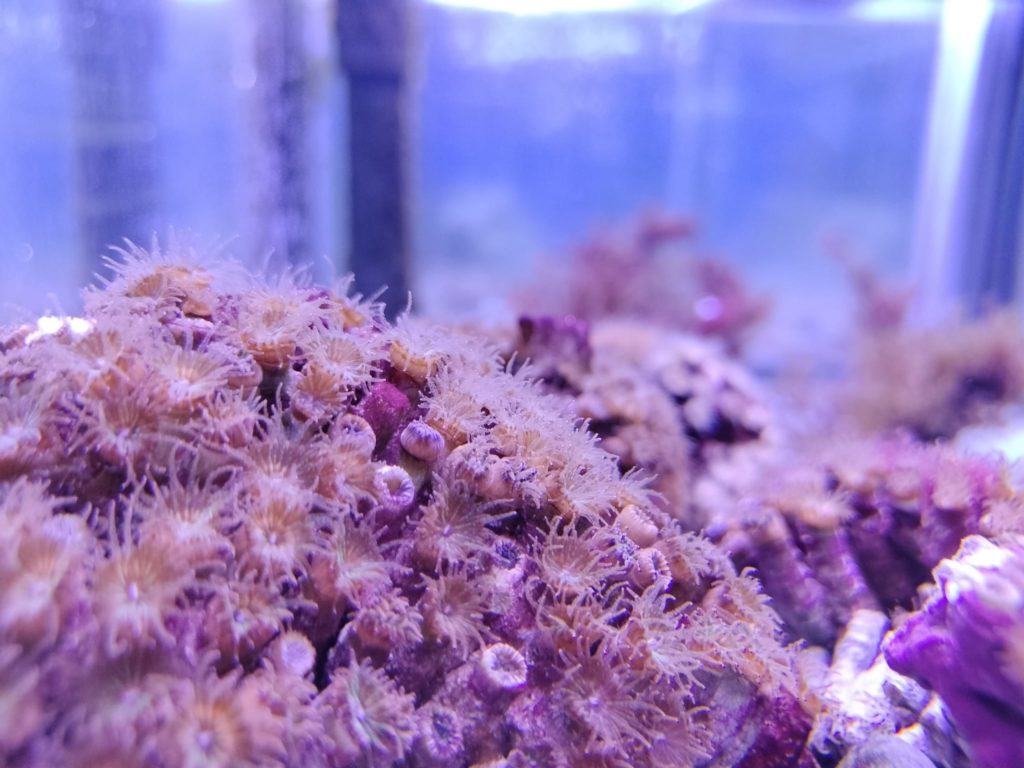
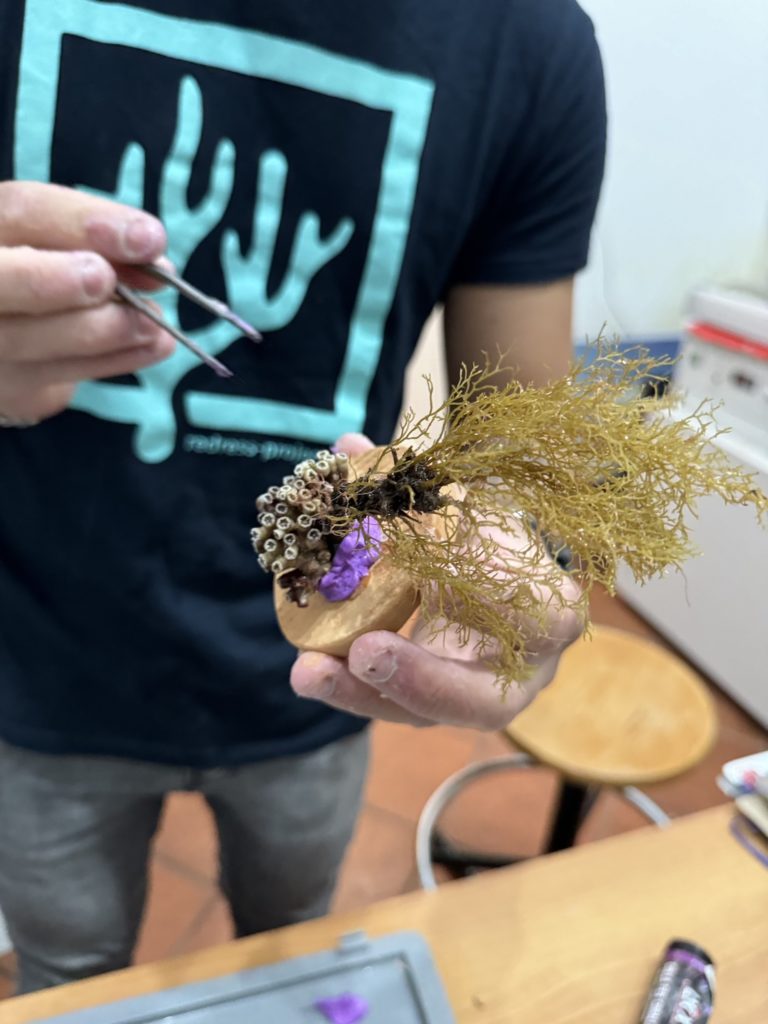
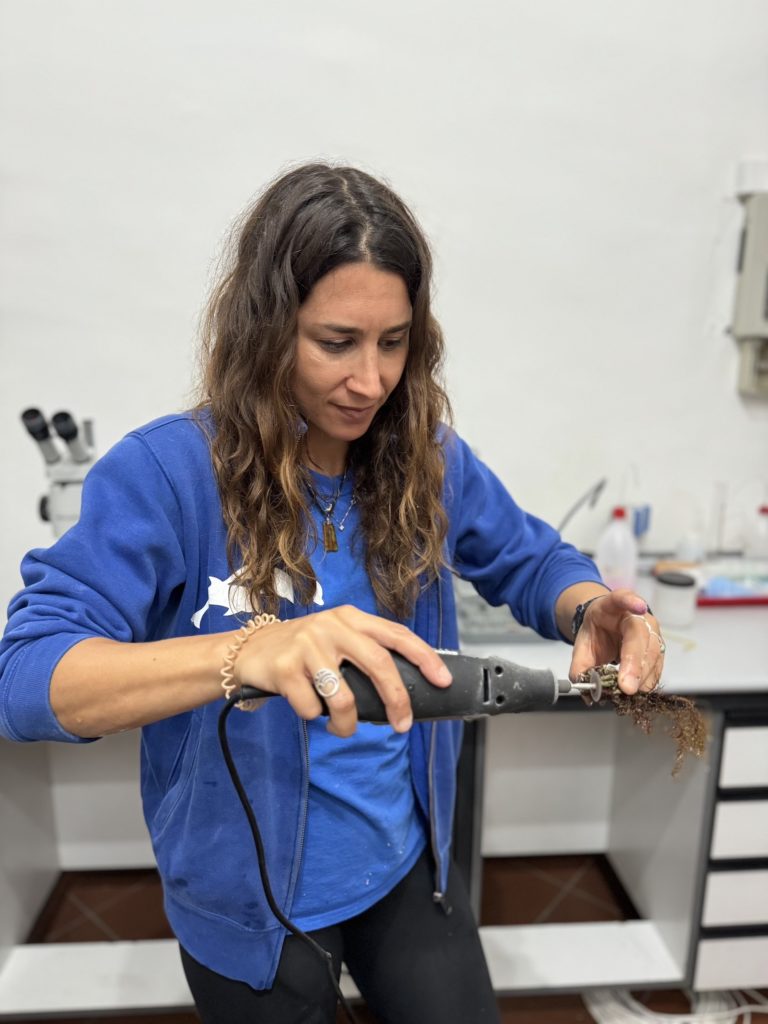
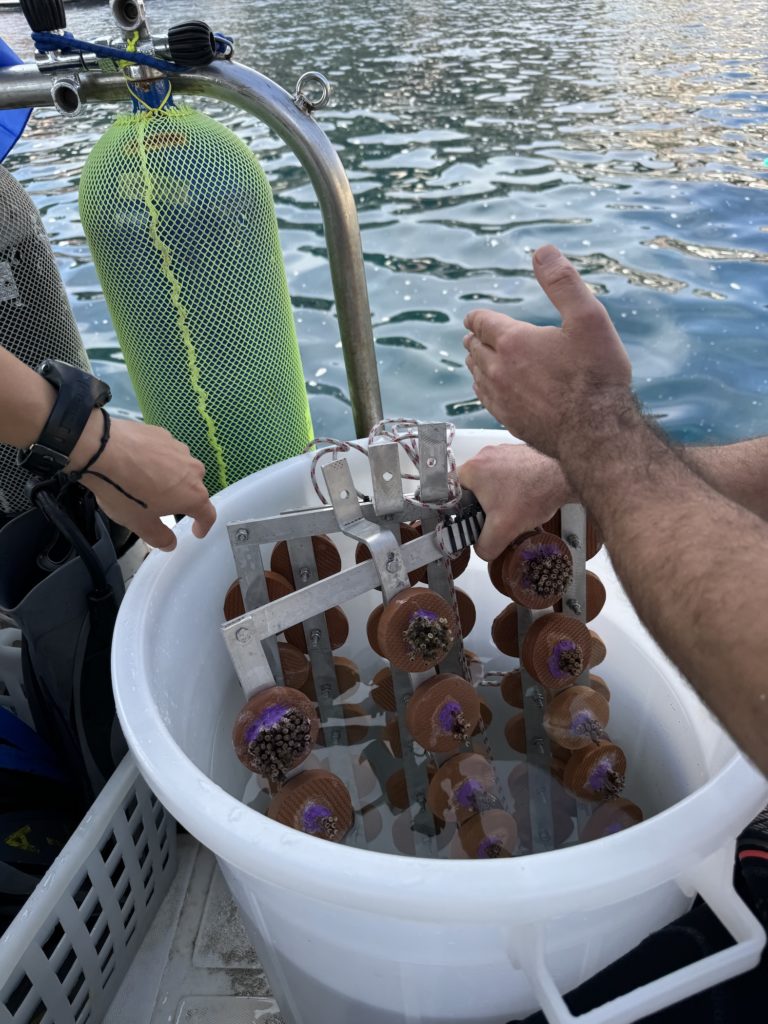
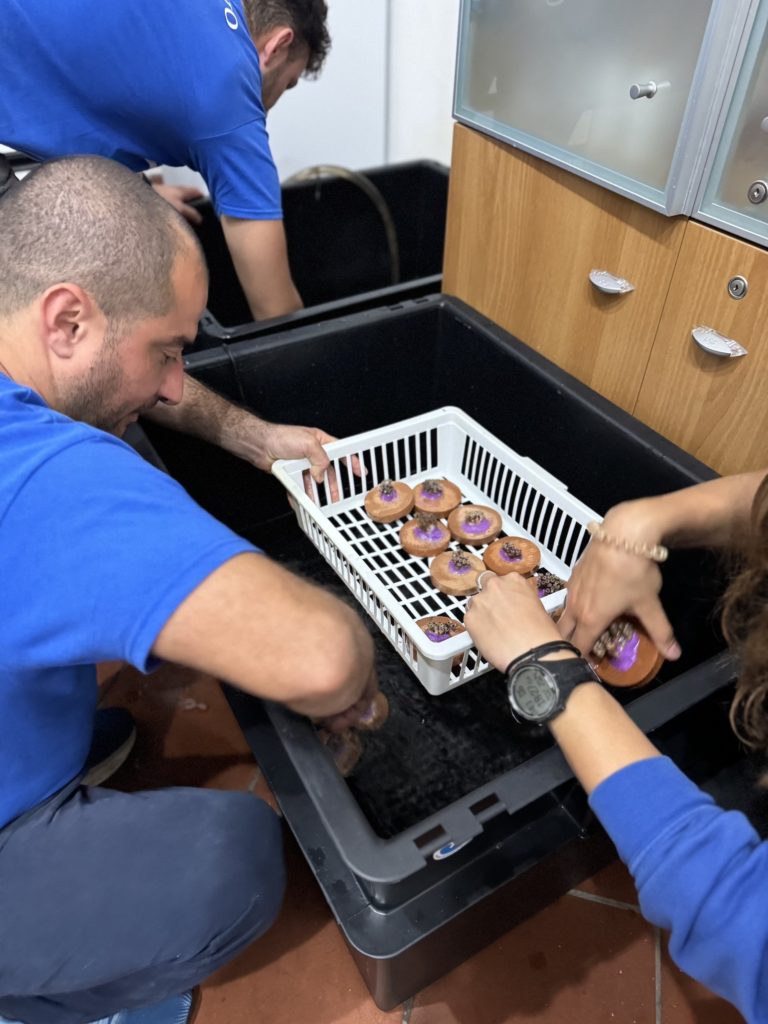
Among the sites where Cladocora is present, two coral hotspots have been selected: one for active intervention and one as a control site. The first—located in an area under high human pressure—will undergo a restoration intervention developed by the Polytechnic University of Marche (DISVA). The second lies close to the Full Reserve zone, in a low-use area with near-pristine seabeds, and will be monitored periodically to detect any changes in its health status. The aim of the research is to assess how effective nursery and restoration techniques are in areas where the coral has been damaged.
Monitoring
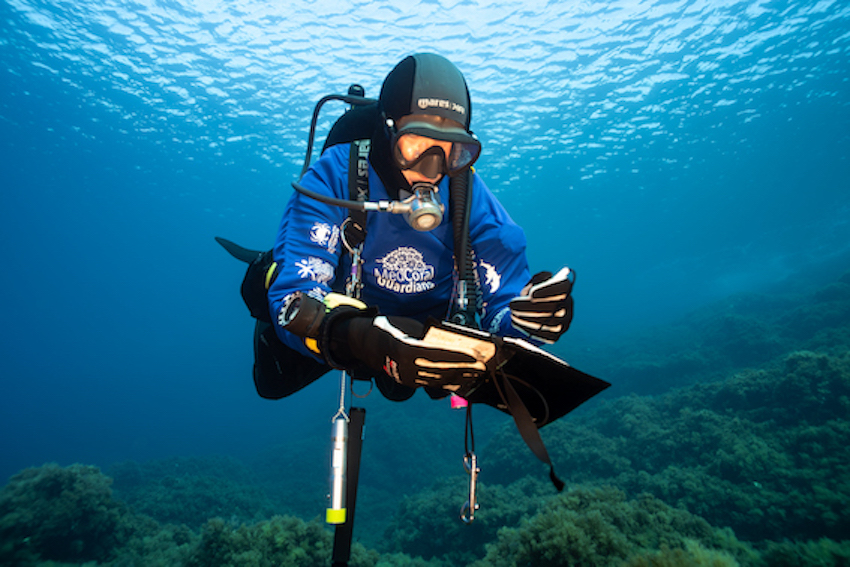
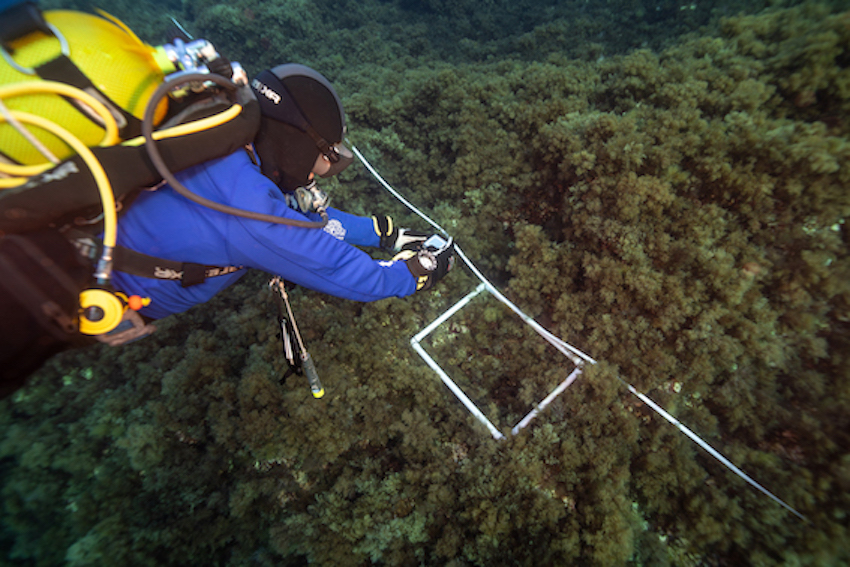
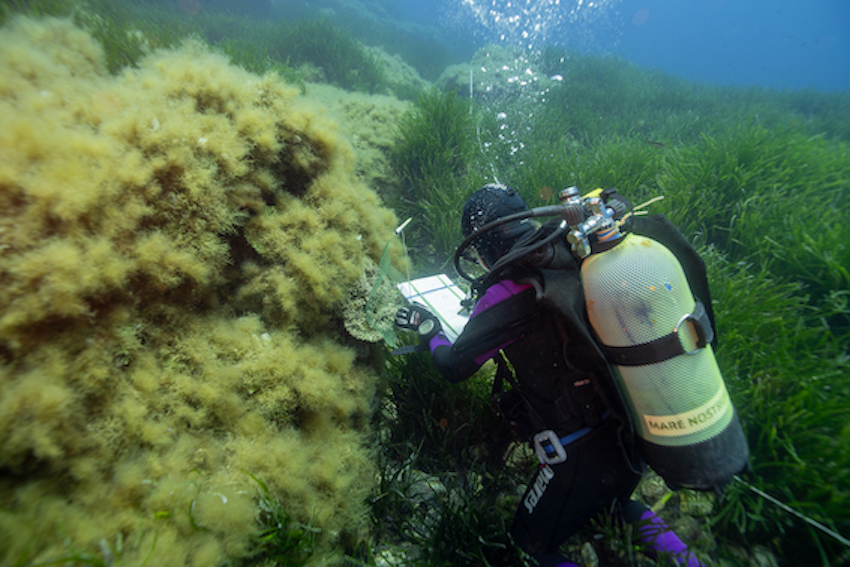
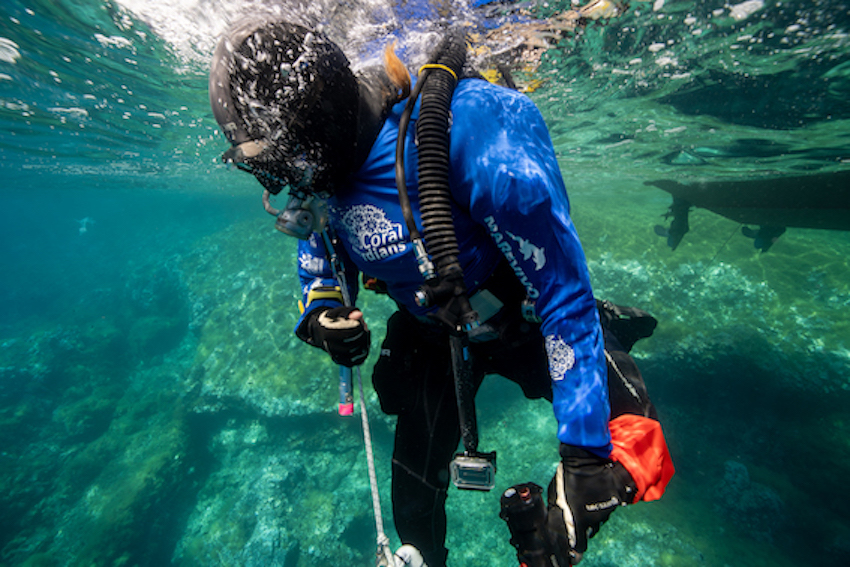
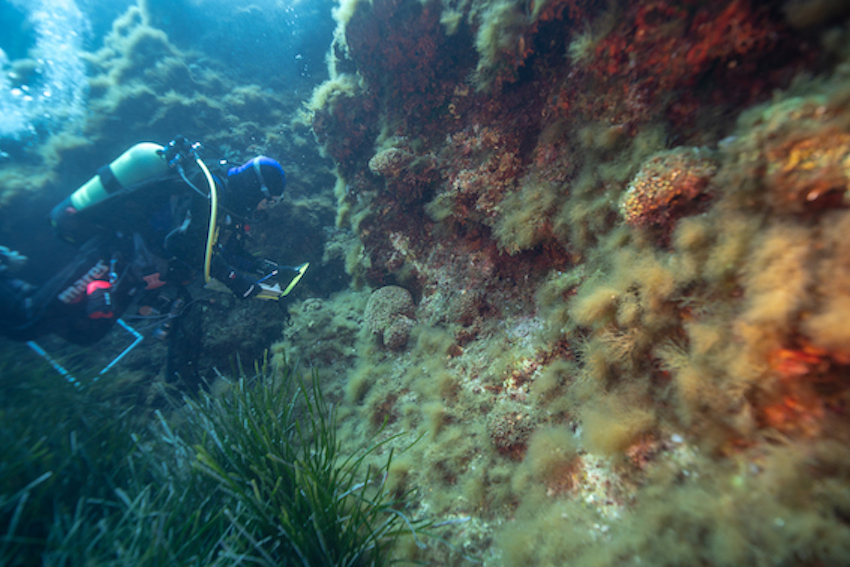
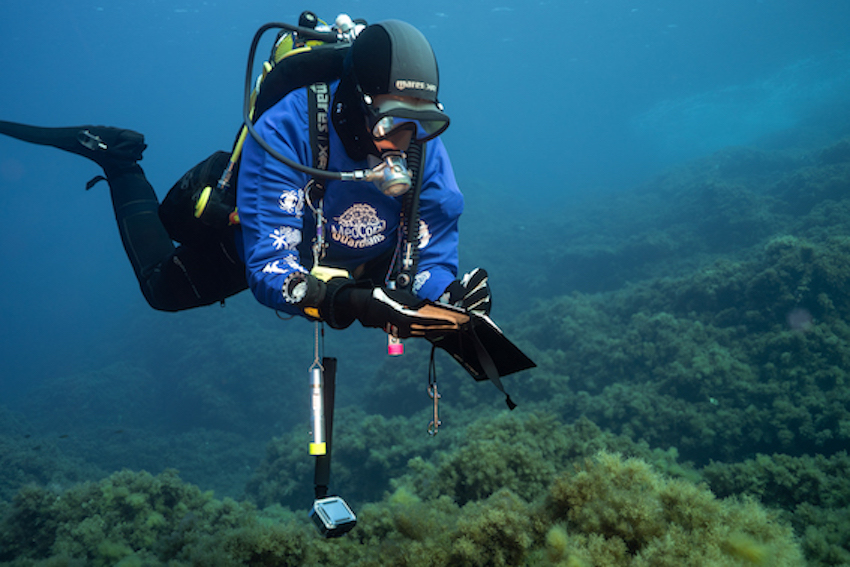
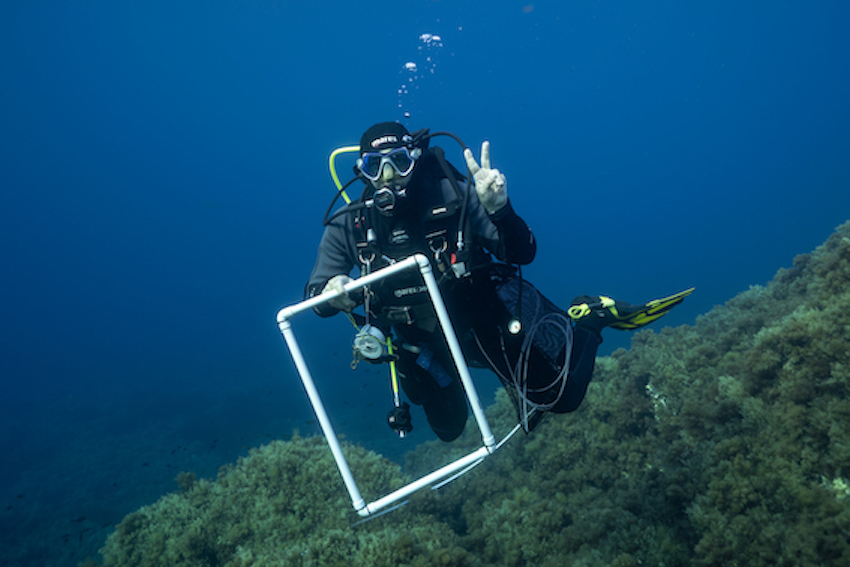
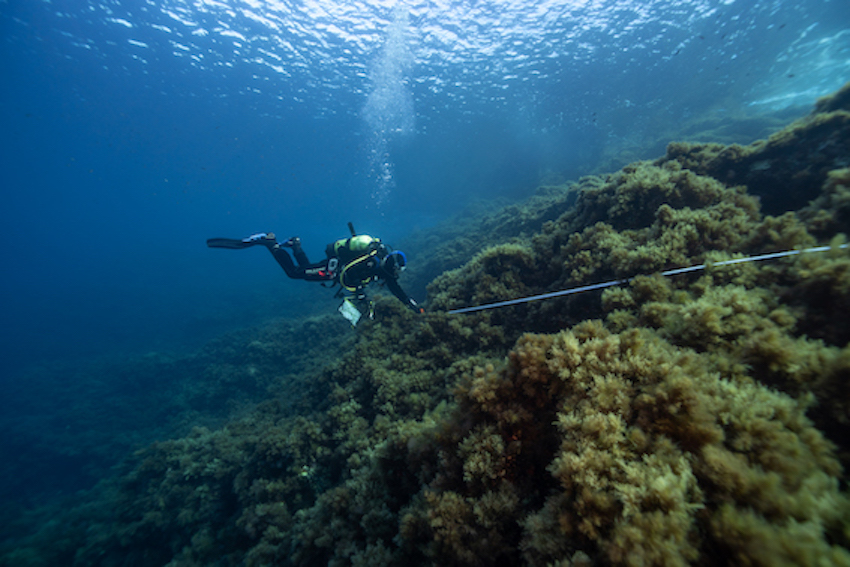
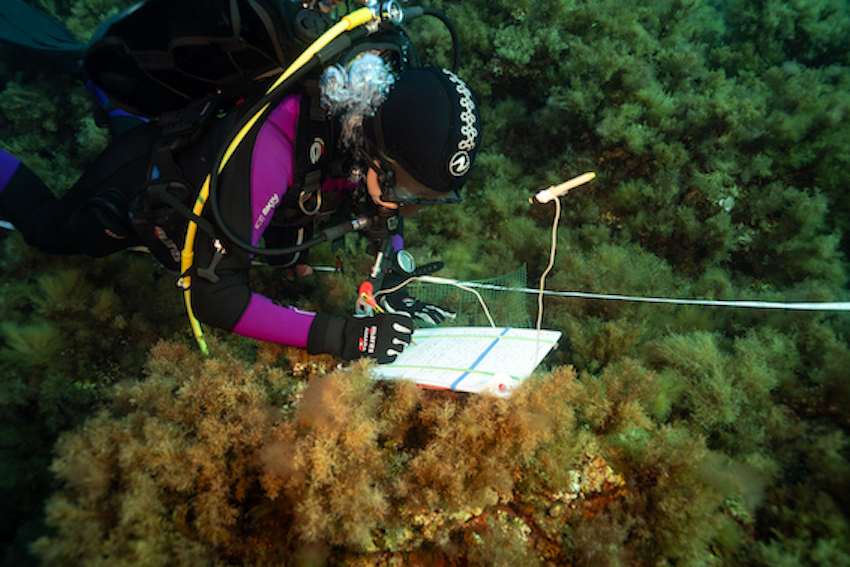
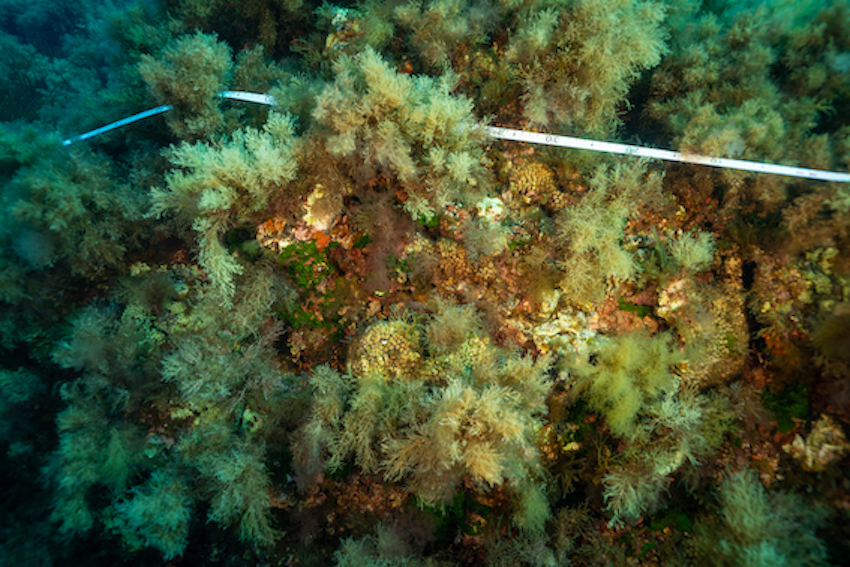
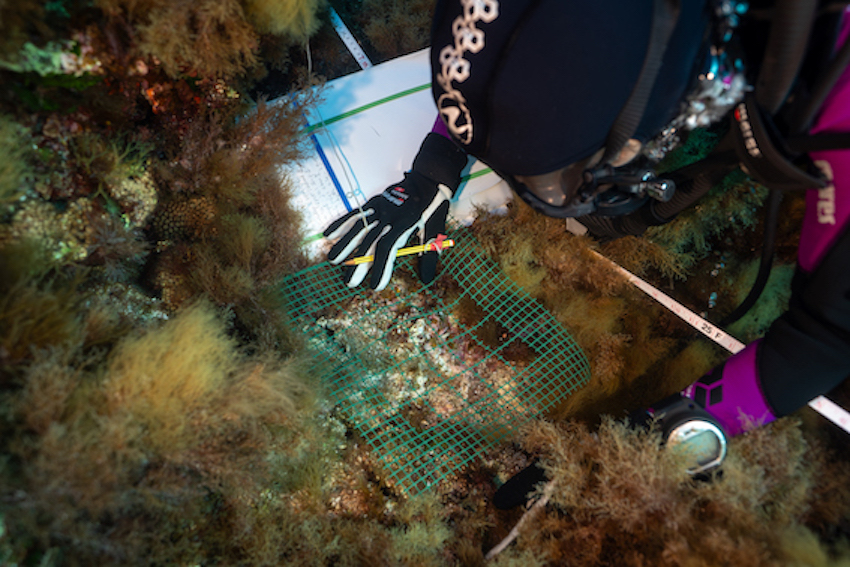
Monitoring of Cladocora caespitosa colonies follows a protocol developed by Rutgers University in collaboration with the Anton Dohrn Zoological Station. This approach enables the collection of essential data on colony growth, coral health (bleaching and tissue necrosis), and water quality and temperature, while also providing a robust scientific basis for planning future conservation actions. The data collected will strengthen the Ustica Marine Protected Area’s database, supporting more effective management of the marine ecosystem.
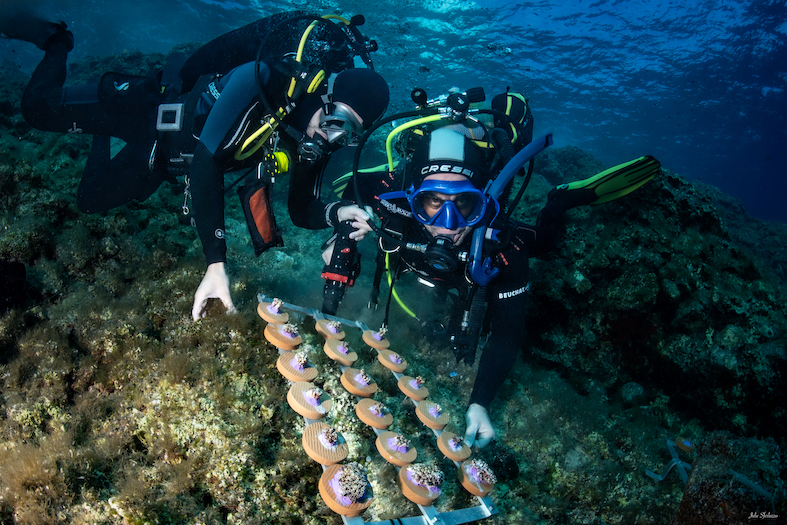
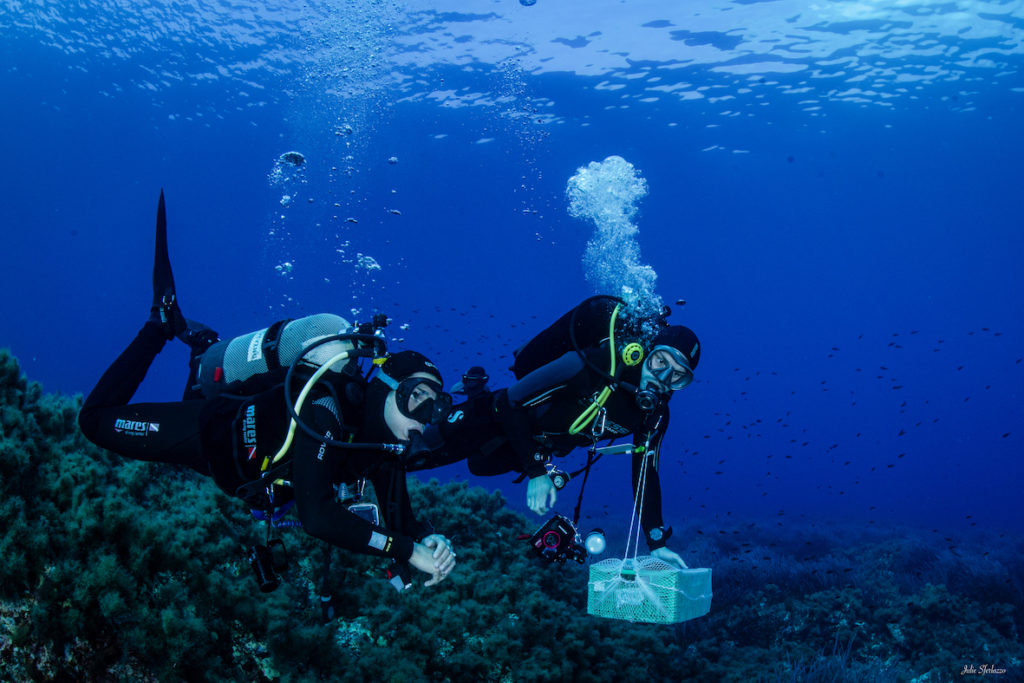
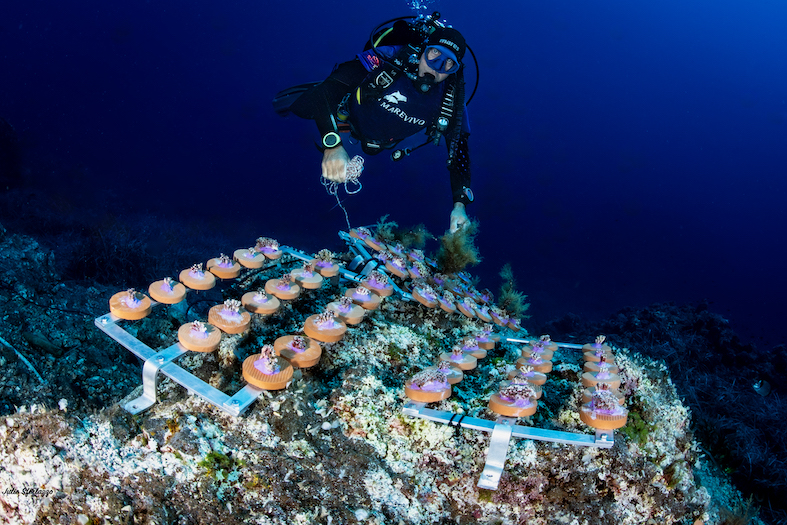
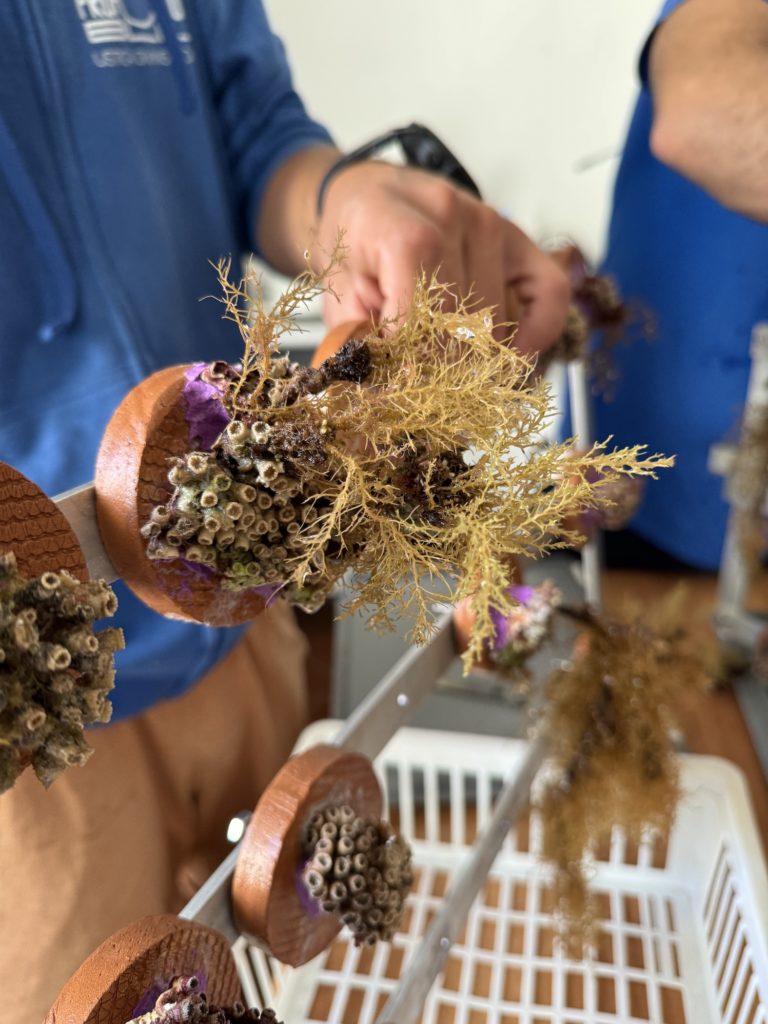
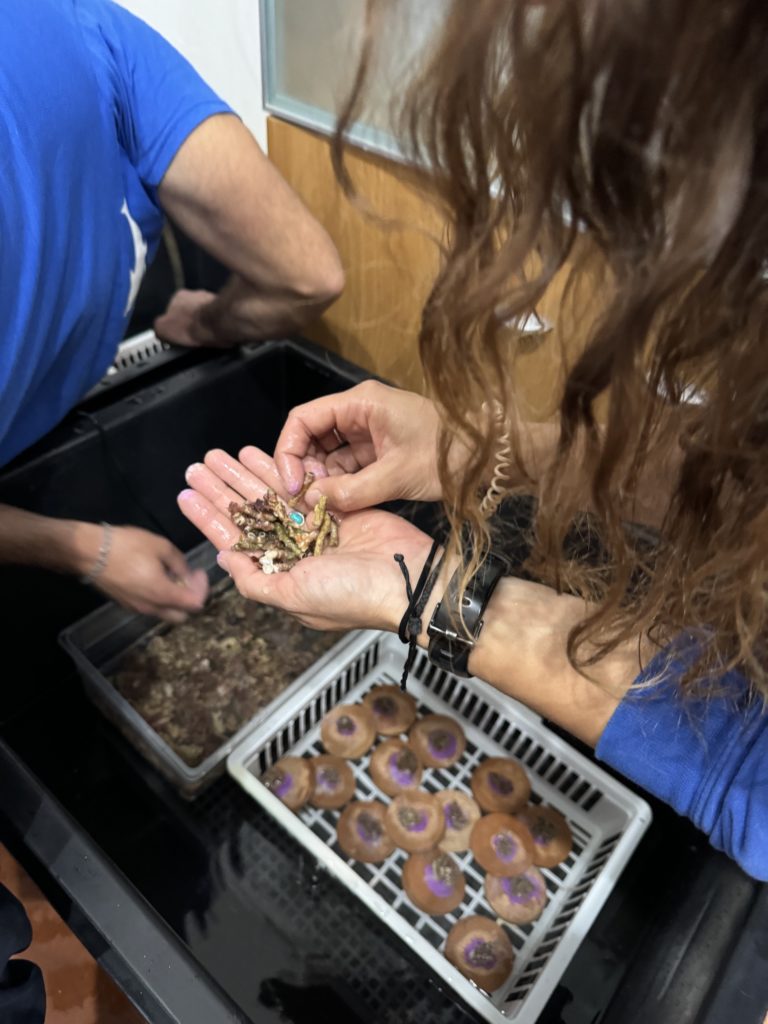
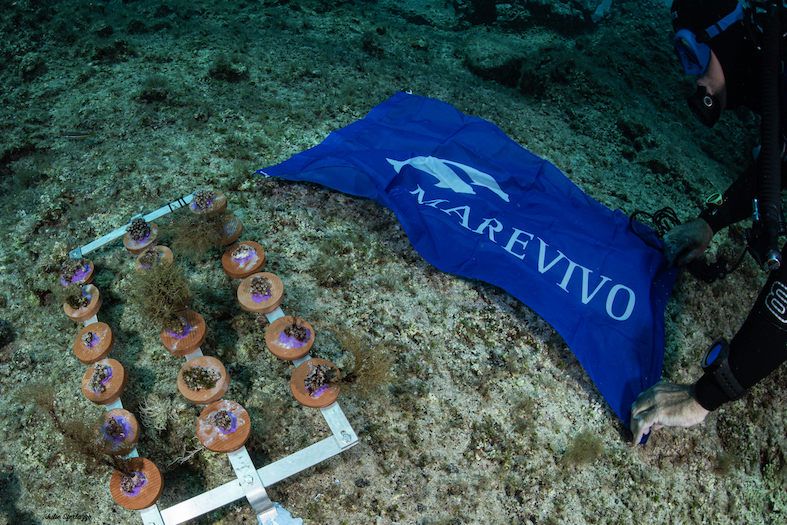
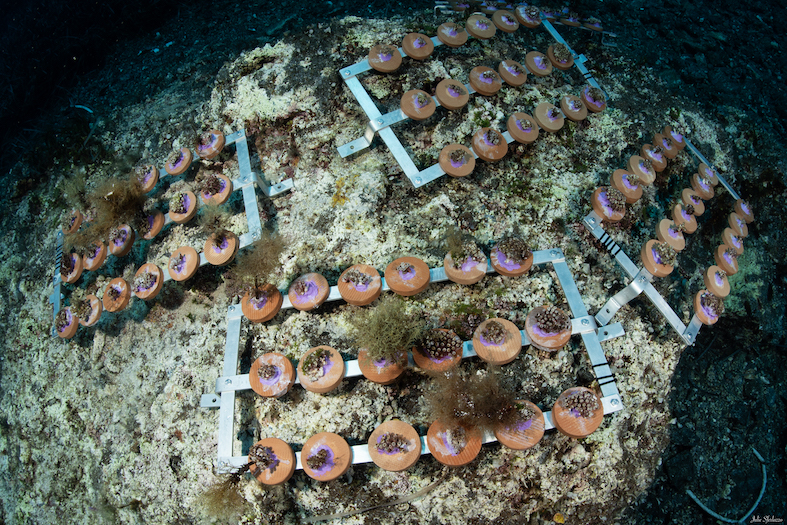
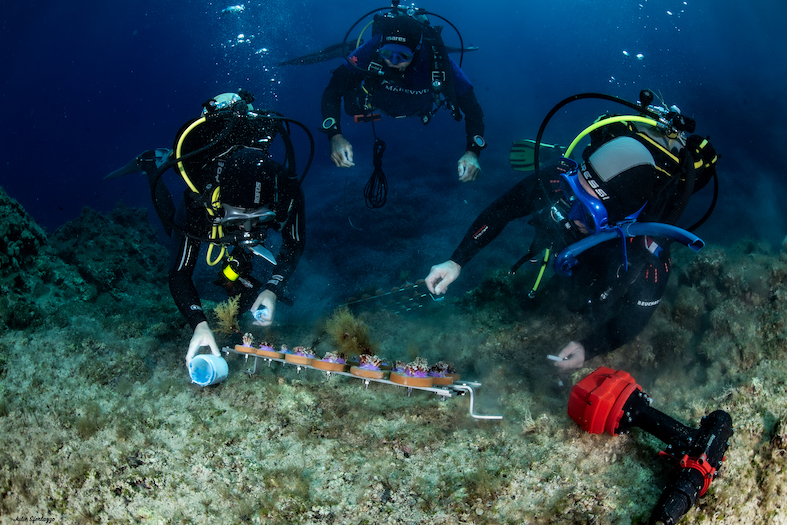

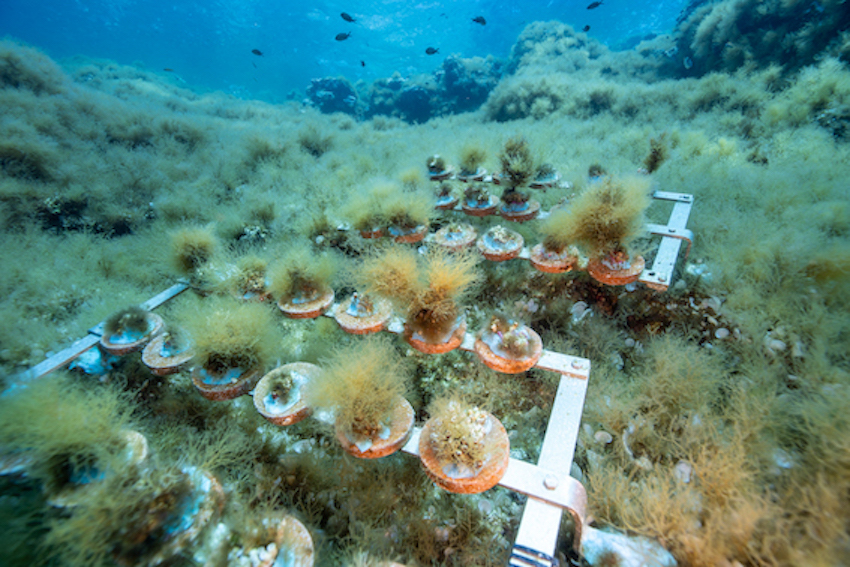
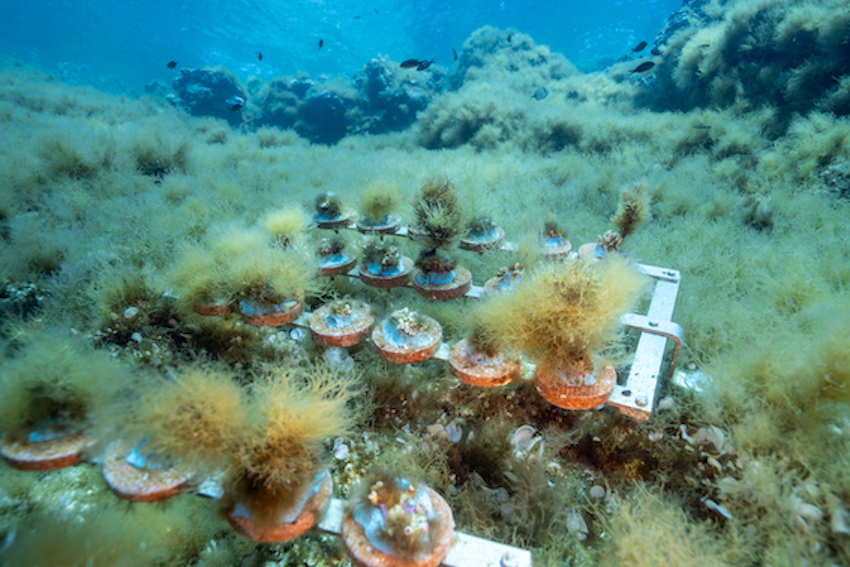
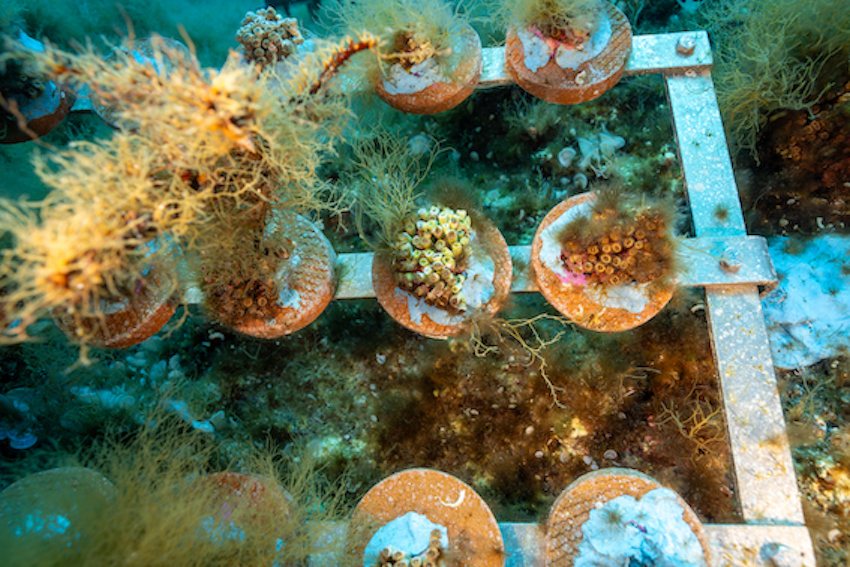
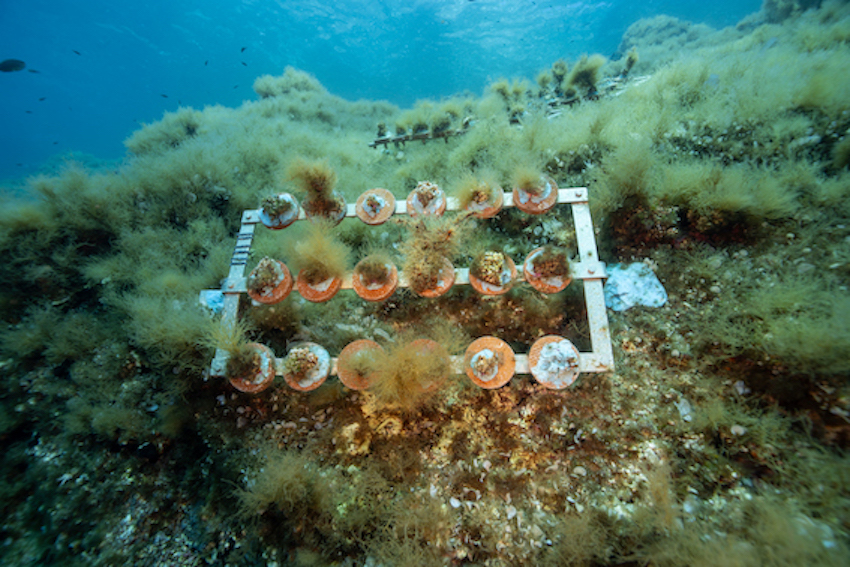
Restoration

Information and Awareness
The areas selected for the project have been equipped with dedicated buoys that mark the presence of corals and encourage tourists and residents to take the utmost care. The project also includes the deployment of additional buoys and the creation of two diver trails, with submerged marker boards that allow divers to observe Cladocora colonies in different states of conservation.
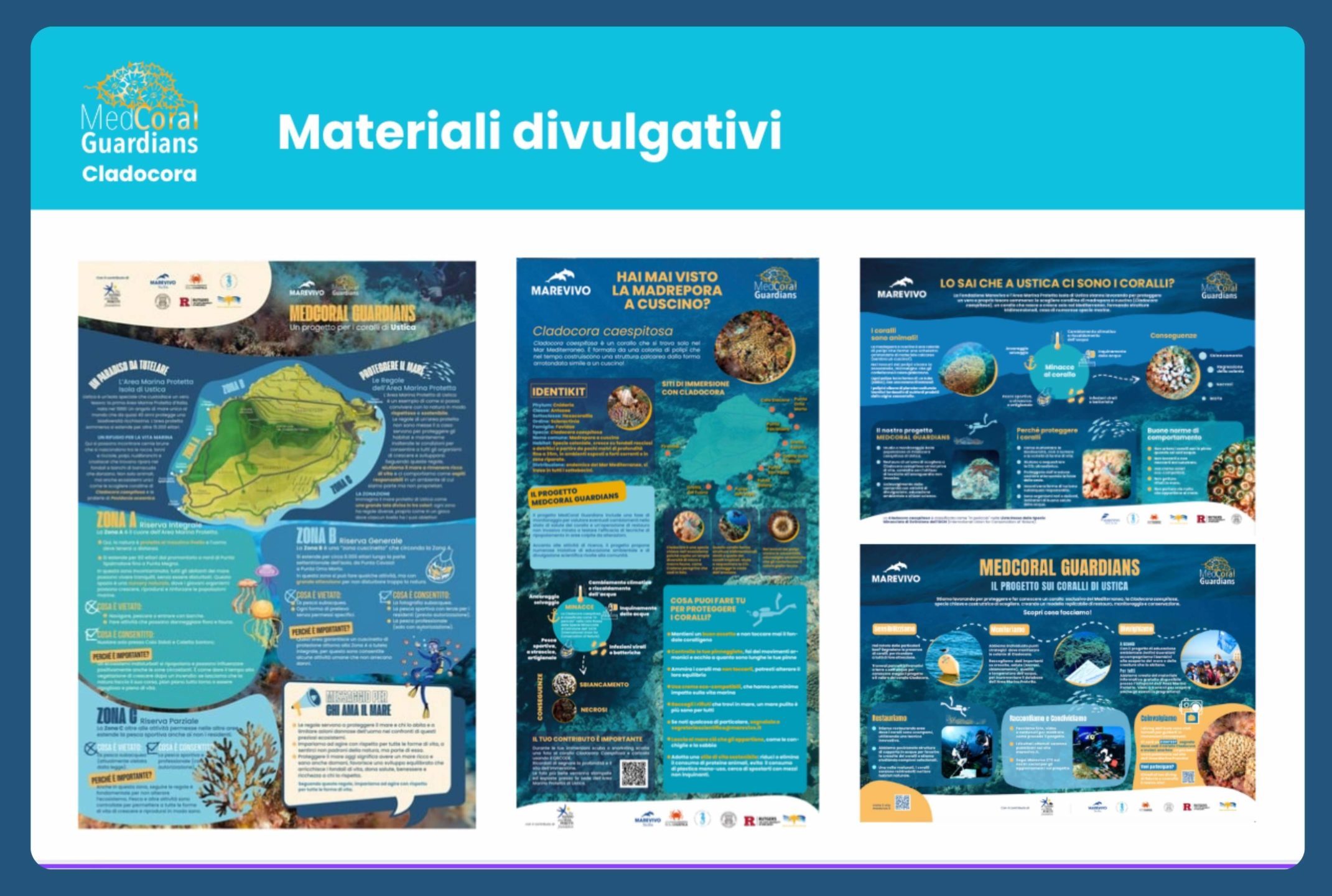
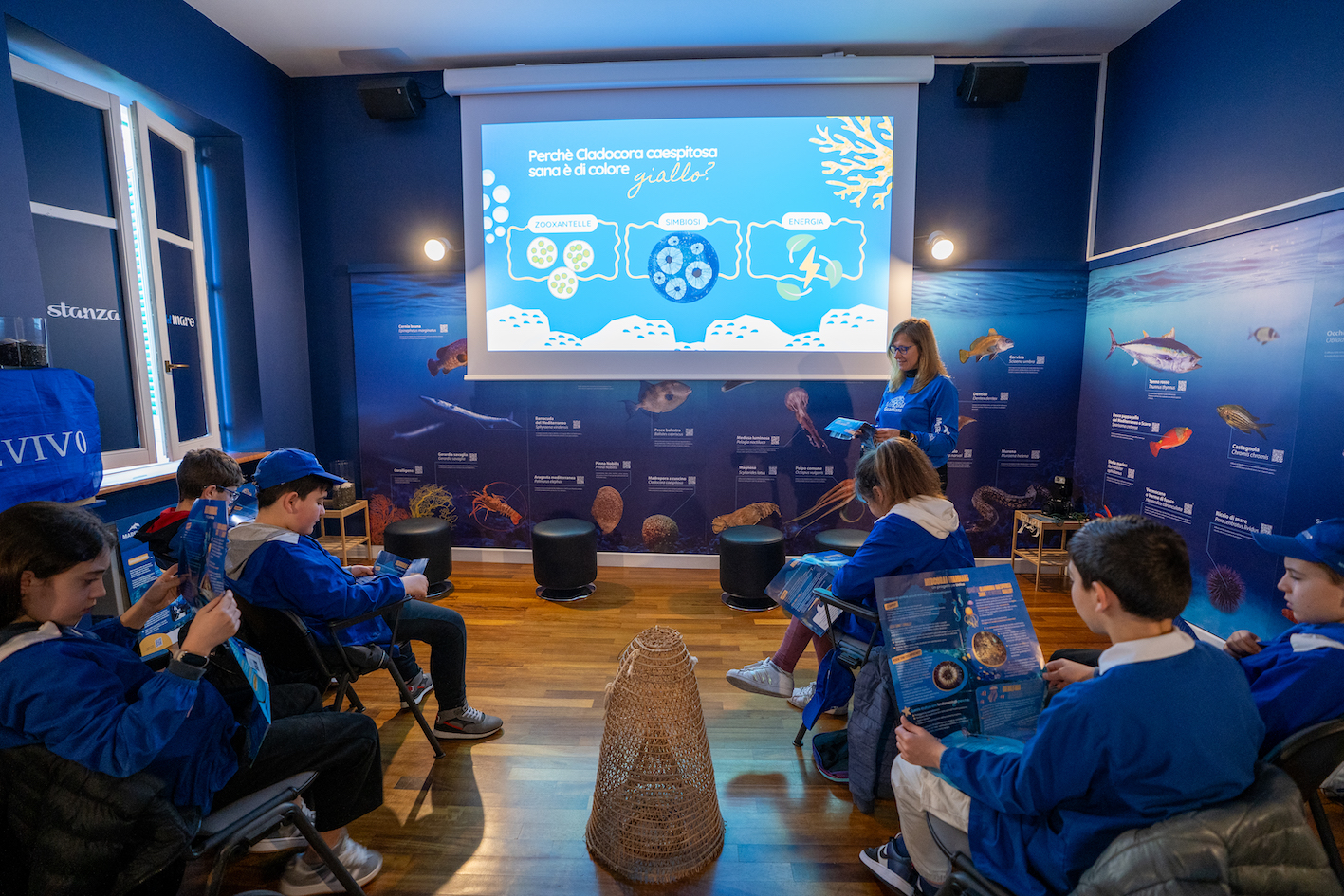
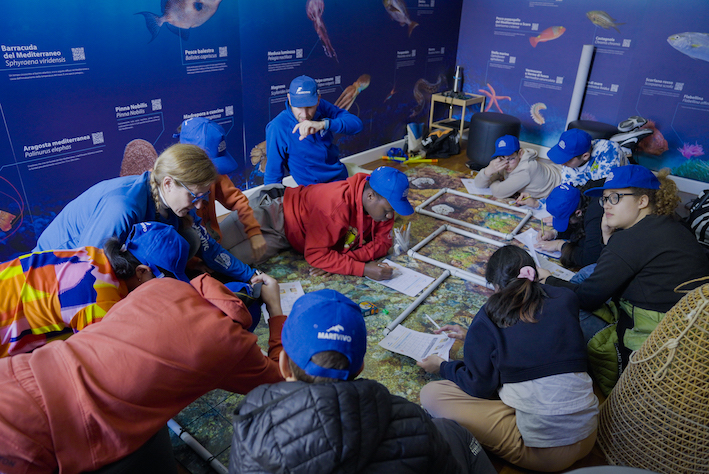
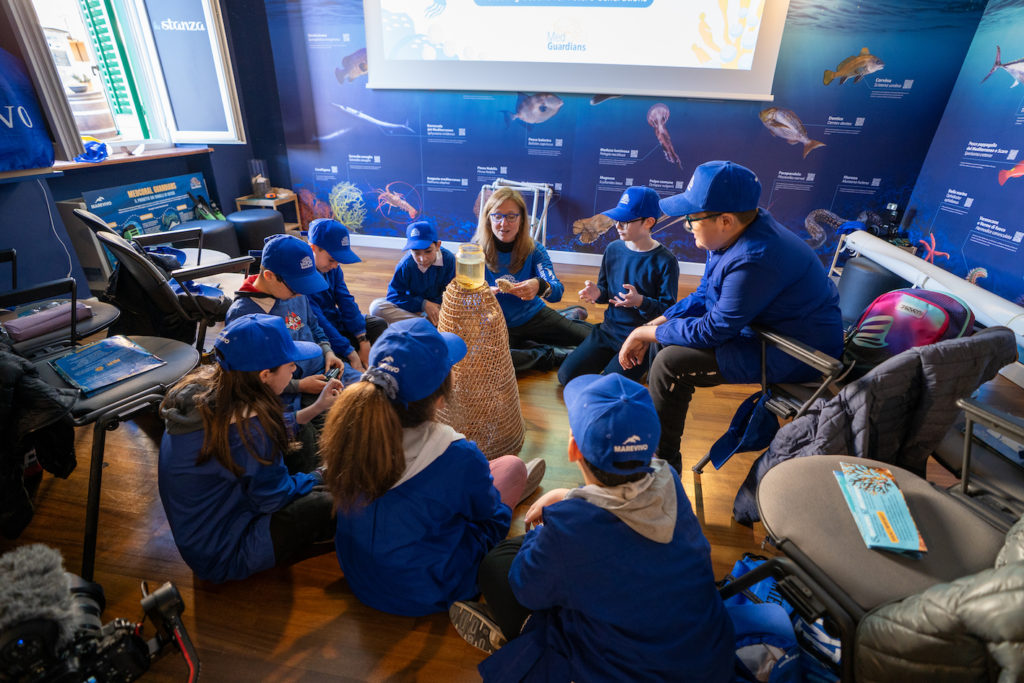
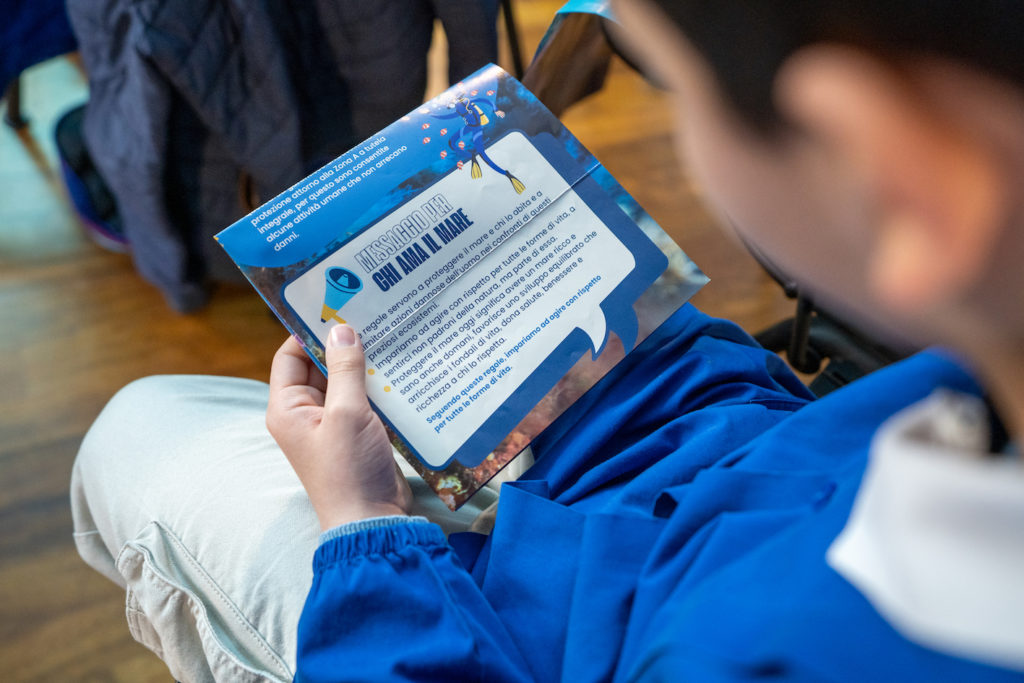
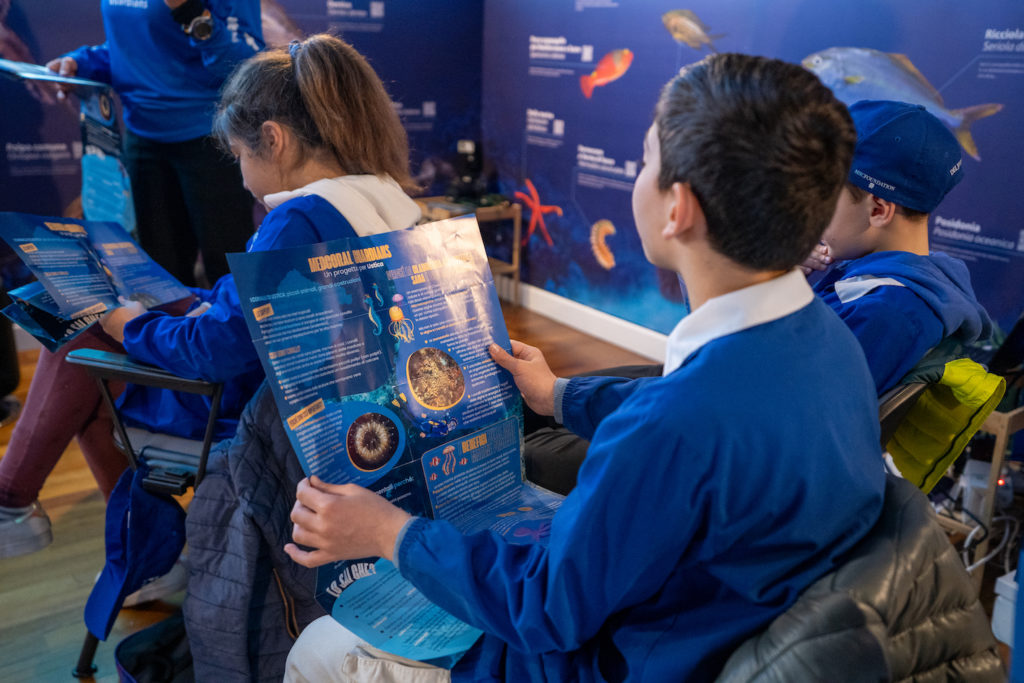
In addition, we have produced information panels and educational materials for divers and diving centres, students and teachers, tourists, and local residents, highlighting the importance of Cladocora and explaining the activities planned within the project.
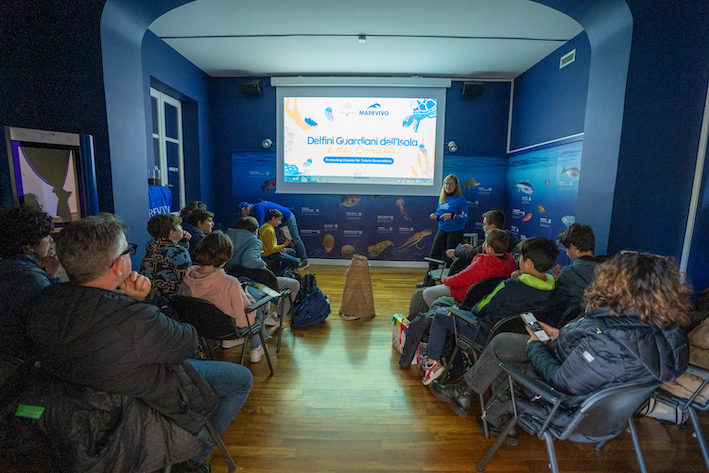
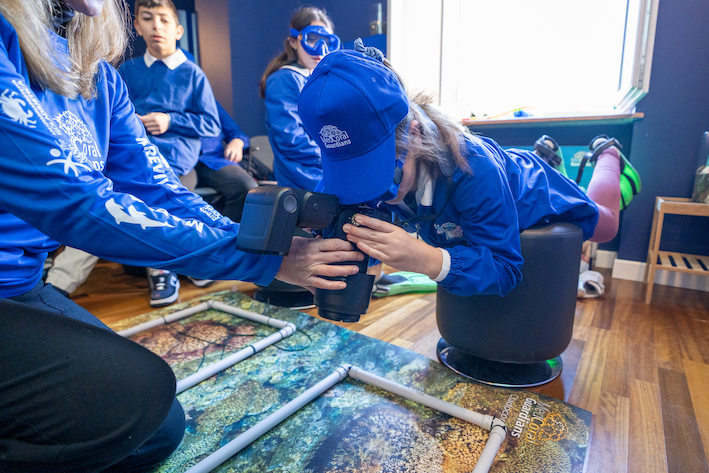
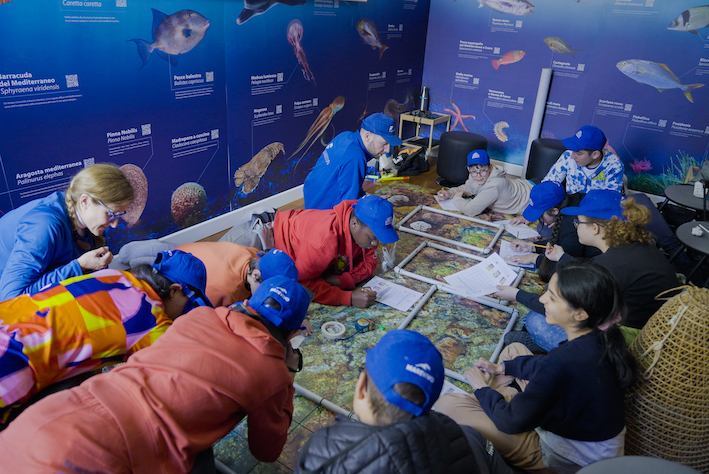
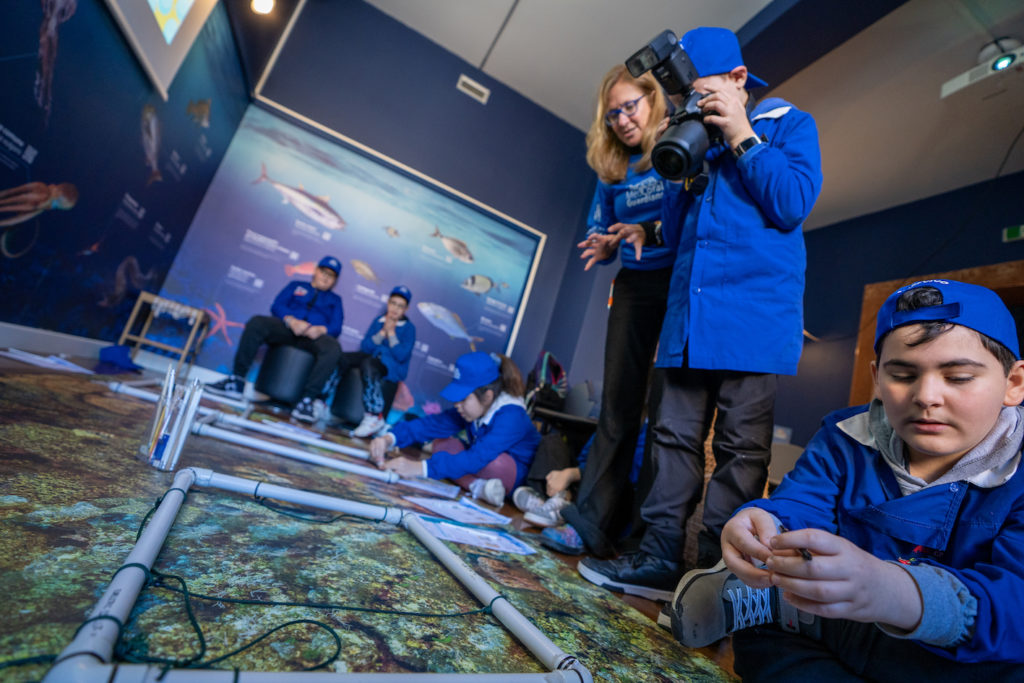
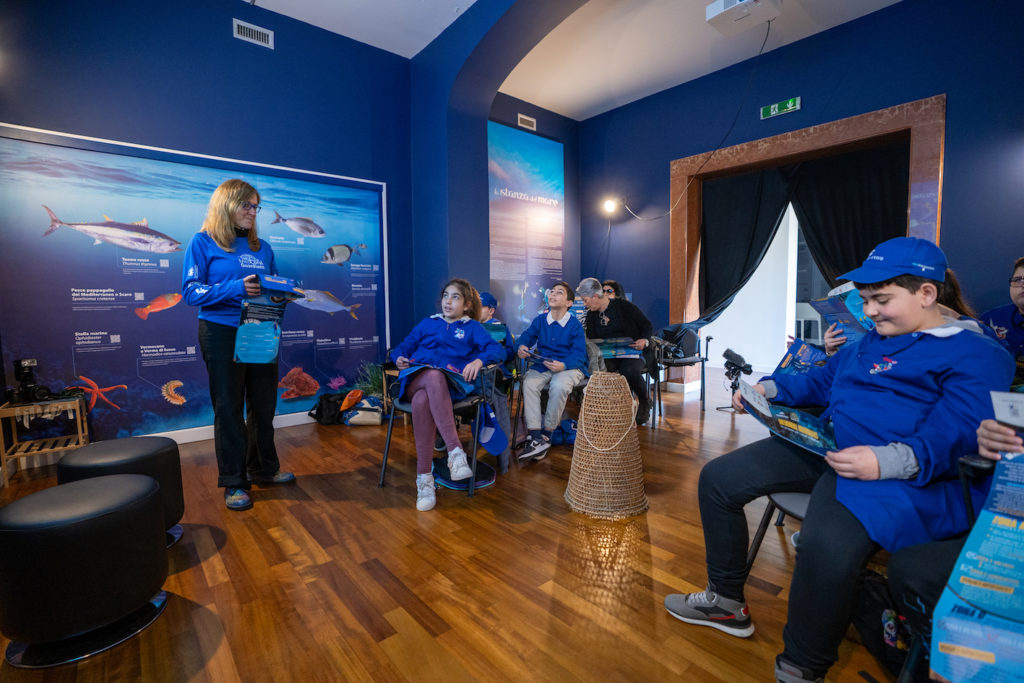
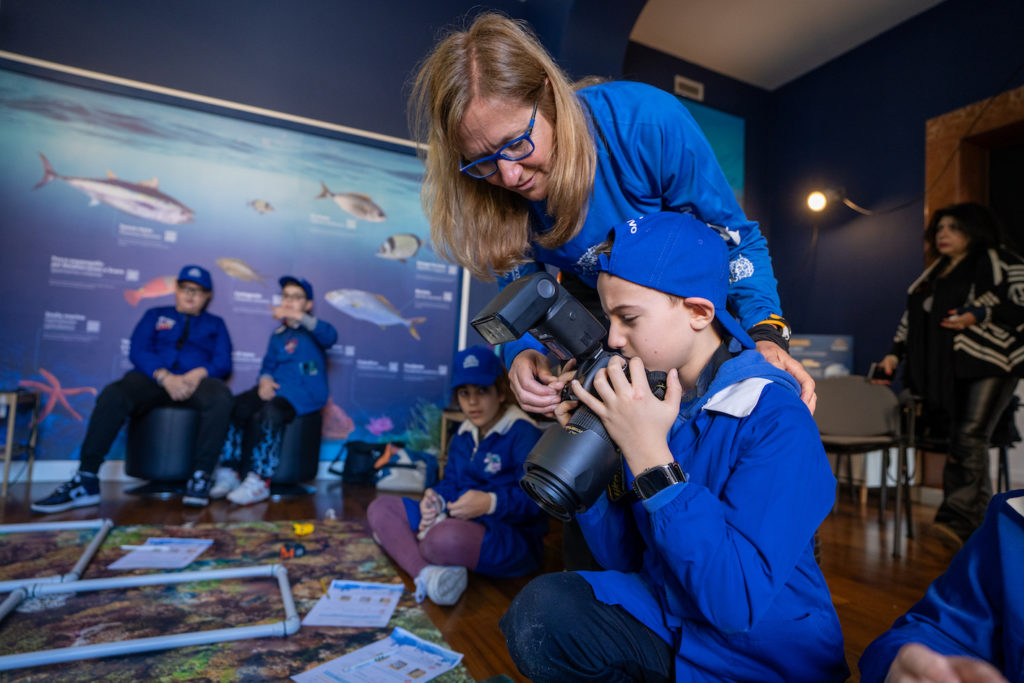
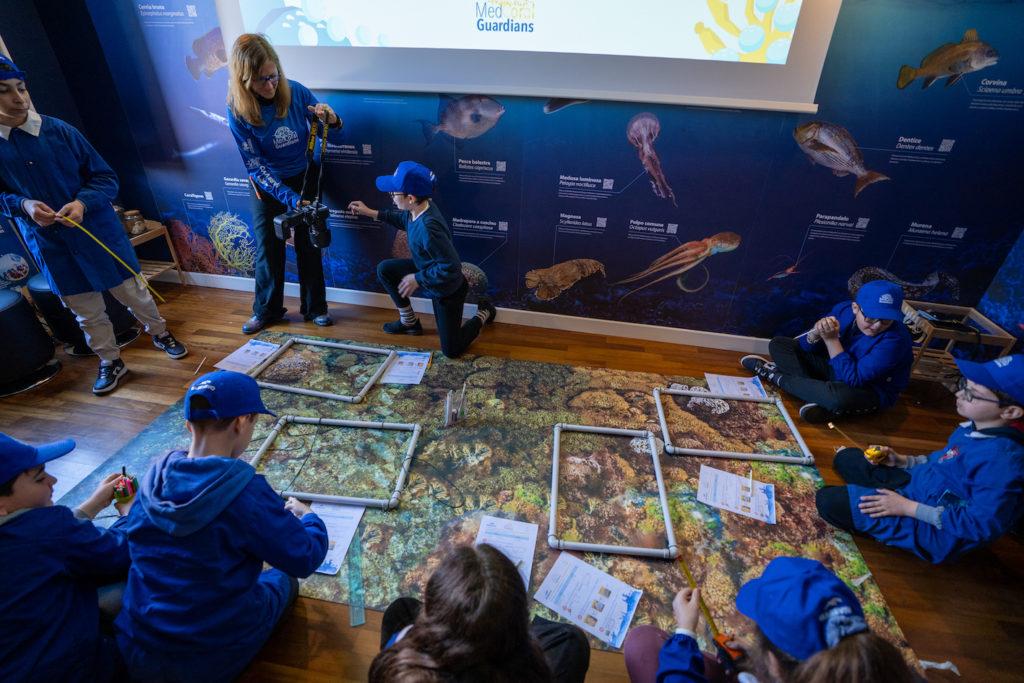
Enviromental education and Citizen Science



What can you do to protect corals?
Use eco-friendly body sunscreens with minimal impact on marine life.
Collect any litter you find at sea—a clean ocean is healthier for everyone.
If you notice anything unusual, report it to the Marine Protected Area.
Leave the sea what belongs to it—shells and sand included.
Are you a scuba diver and would you like to help protect Cladocora?
Maintain good buoyancy, control your fin kicks, keep your movements smooth, and be mindful of how long your fins are. Admire corals—but don’t touch them: you could damage them. And you can also take part in the photo contest!
Take a photo whenever you encounter a Cladocora colony during your dives. If you can, document other species too.
Join the contest! The best photos will receive a special prize for sea lovers: they will be featured on the Marevivo website and on the Marine Protected Area’s website.