

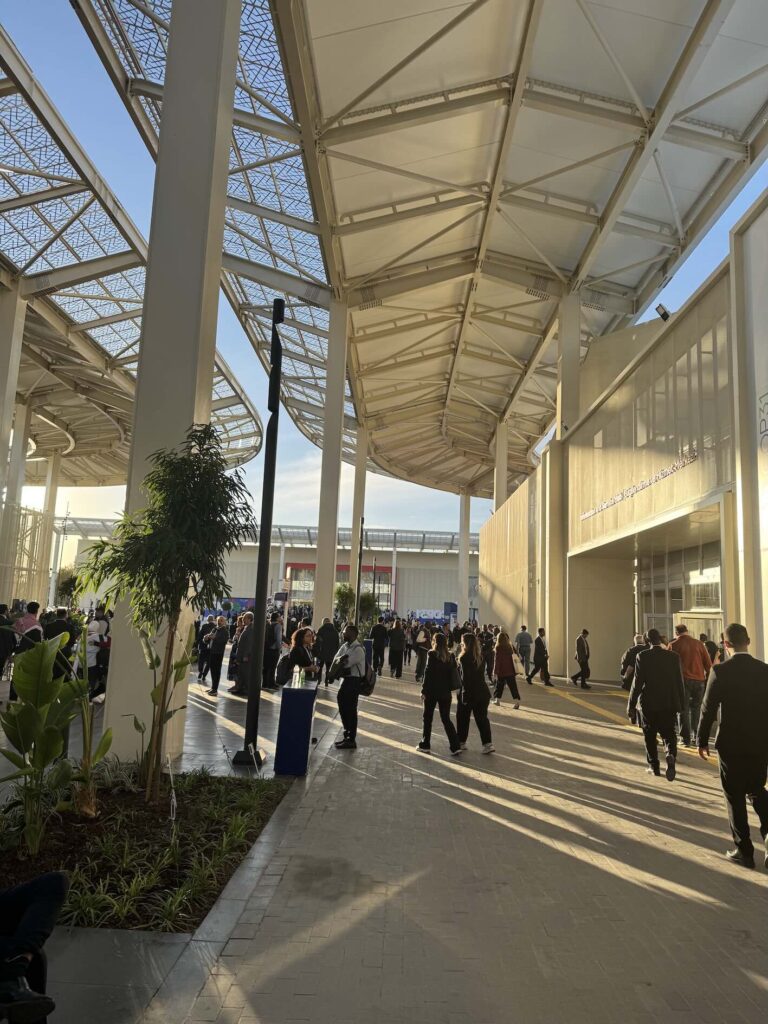
At two events in Antalya, Marevivo will call for a deeper shift in how we live with nature at the Italy Pavilion and propose a network of marine protected areas based on how ecosystems function at the Mediterranean Pavilion.
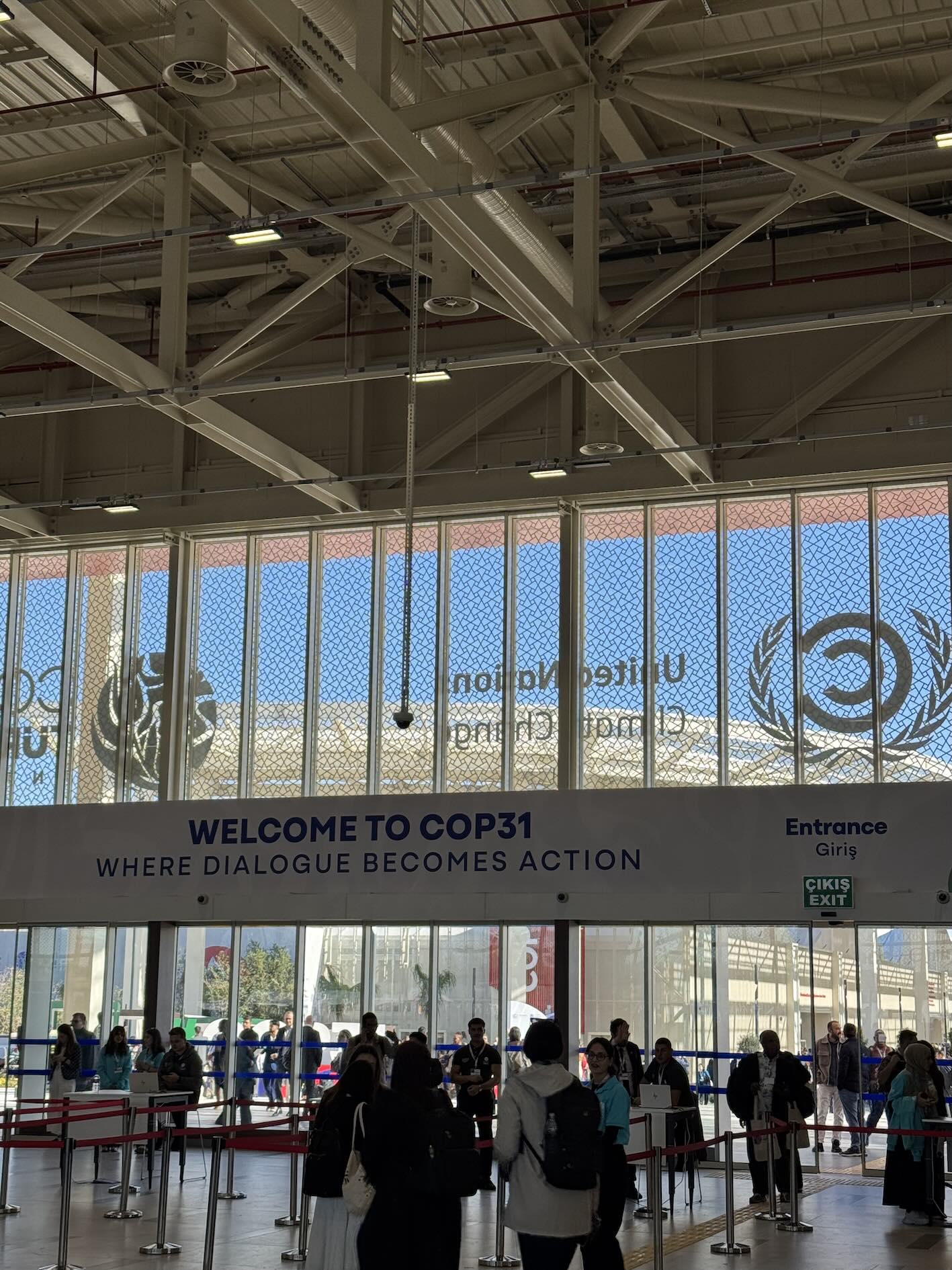
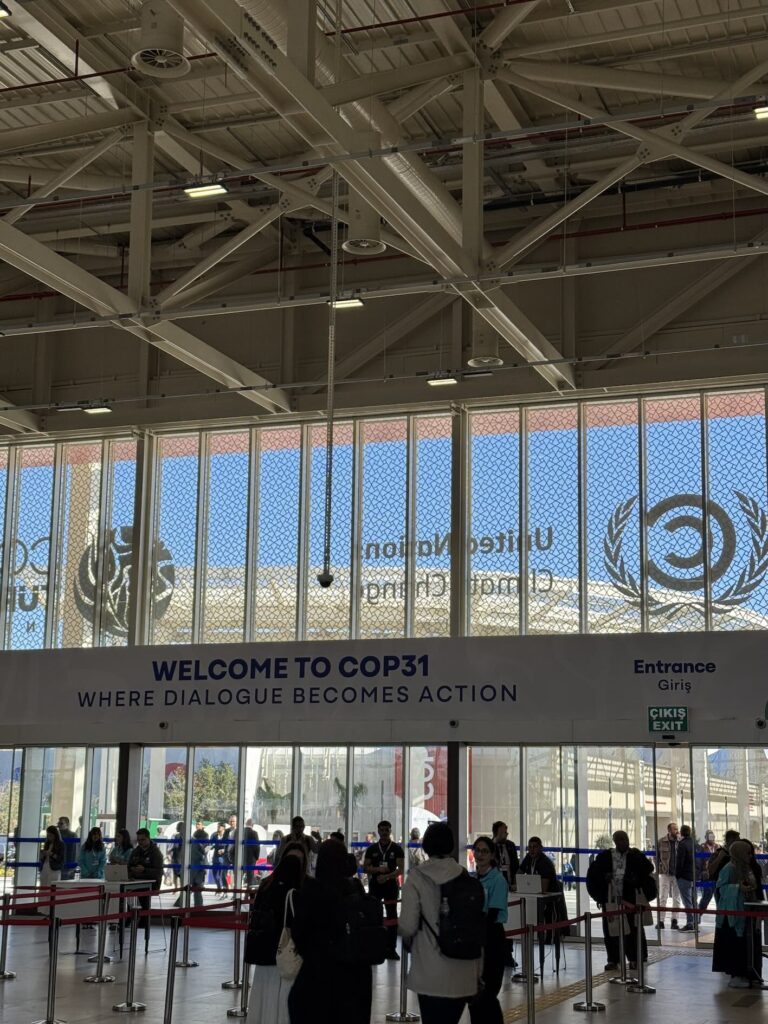
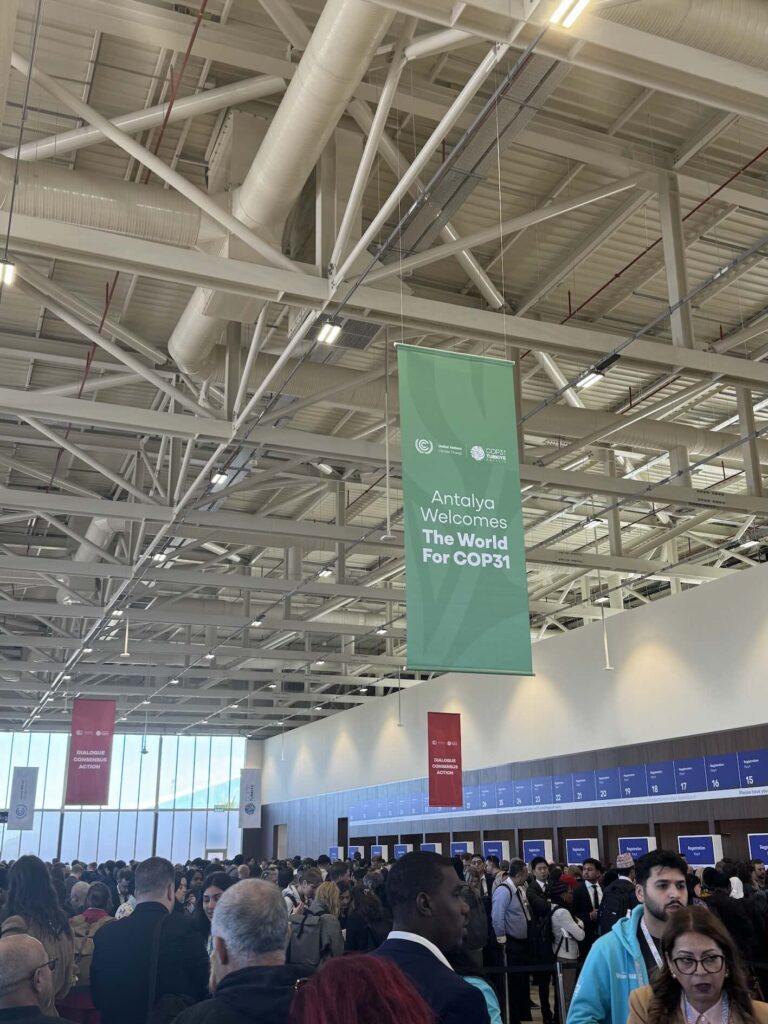
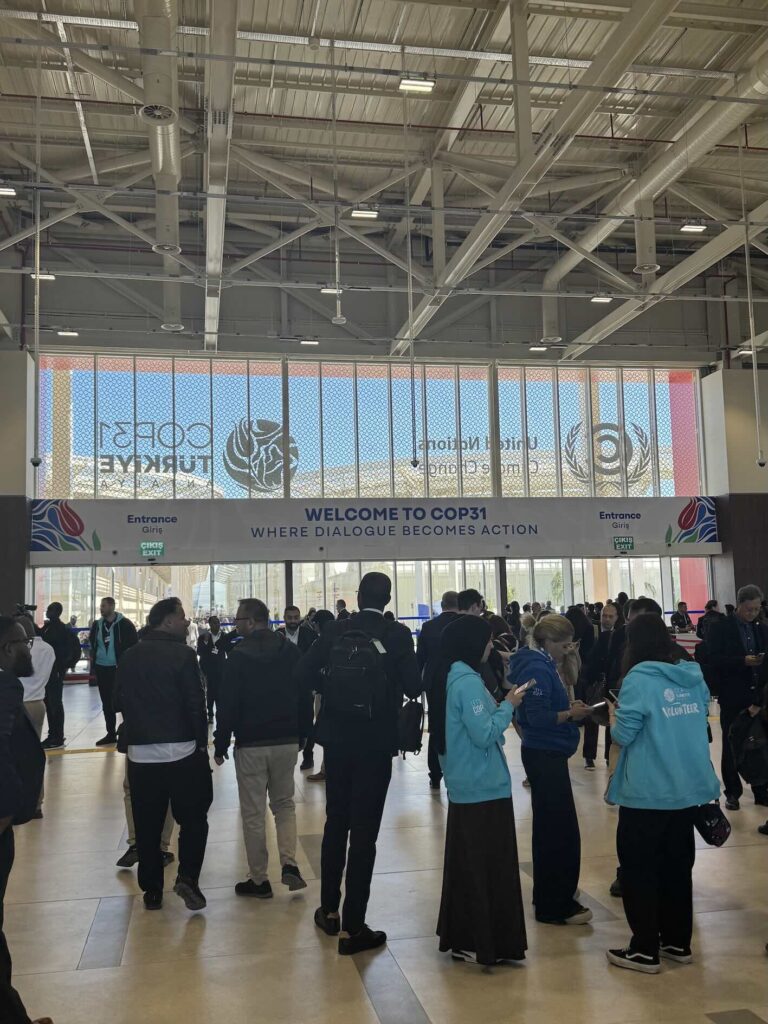
The ocean regulates the climate, absorbs heat and carbon dioxide, drives the water cycle and produces some of the oxygen we breathe. The climate crisis therefore deals a double blow. It harms the ocean and weakens one of our strongest allies in tackling climate change. That is the message the Marevivo Foundation is bringing to COP31, the United Nations climate change conference under way in Antalya, Türkiye.
As the conference opens, the room for manoeuvre is already limited. A United Nations report published on 21 October concludes that global warming will inevitably exceed the 1.5°C threshold set out in the Paris Agreement. Even in the most favourable scenario, it projects warming of 1.7°C or 1.8°C by mid-century. The aim now is to limit how far temperatures rise above that threshold and how long they stay there, a period scientists call an overshoot. The Climate Clock, which once counted down to the point at which the threshold would be crossed, now tracks the time left to limit the damage already unfolding.
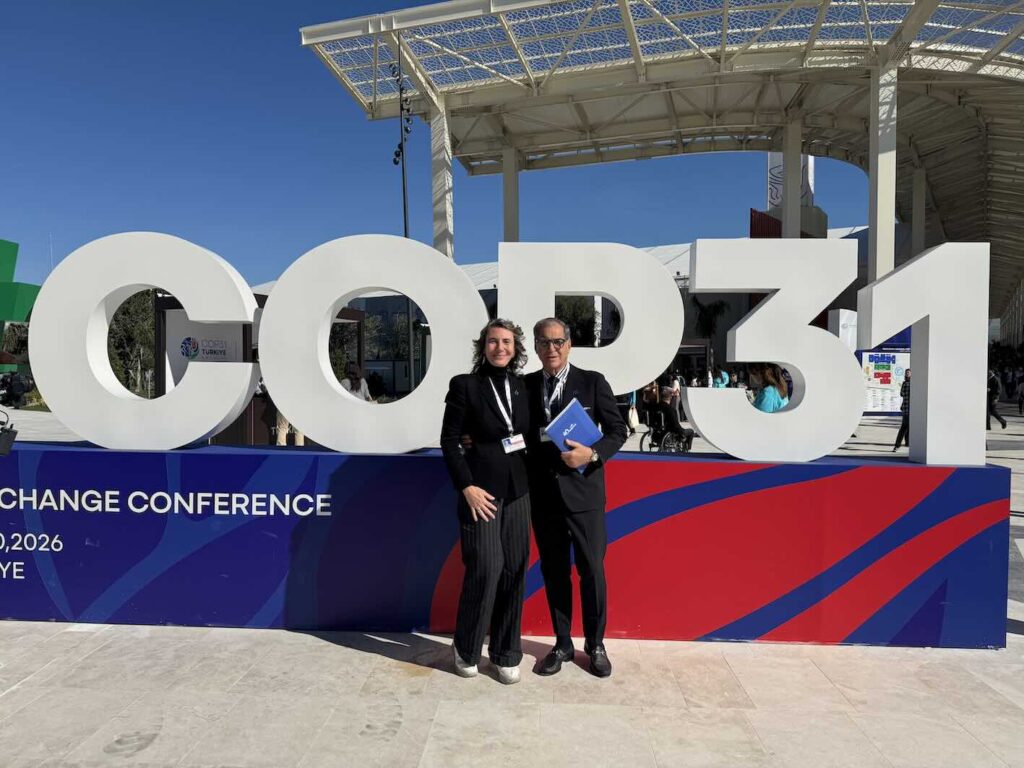
“We can all see wildfires in forests, while the fire consuming the ocean stays beneath the surface – says Rosalba Giugni, President of the Marevivo Foundation – Ocean warming, marine heatwaves and biodiversity loss are changes unfolding out of sight, with profound consequences for the balance of the planet. We are calling for the protection of marine ecosystems to return to the heart of the international political agenda as a priority for climate action.”
The first event, “One Ocean, One Future: Ecological Transition for Ocean Health and Climate Action”, takes place tomorrow at 11.30 am local time at the Italy Pavilion. Marevivo is calling for immediate action on the climate crisis and sees the next step in the ecological transition as an ecological conversion. This means fundamentally rethinking how we live with nature, respecting how natural systems work, recognising the limits of the planet’s resources and understanding that the economy itself is part of the ecological system.
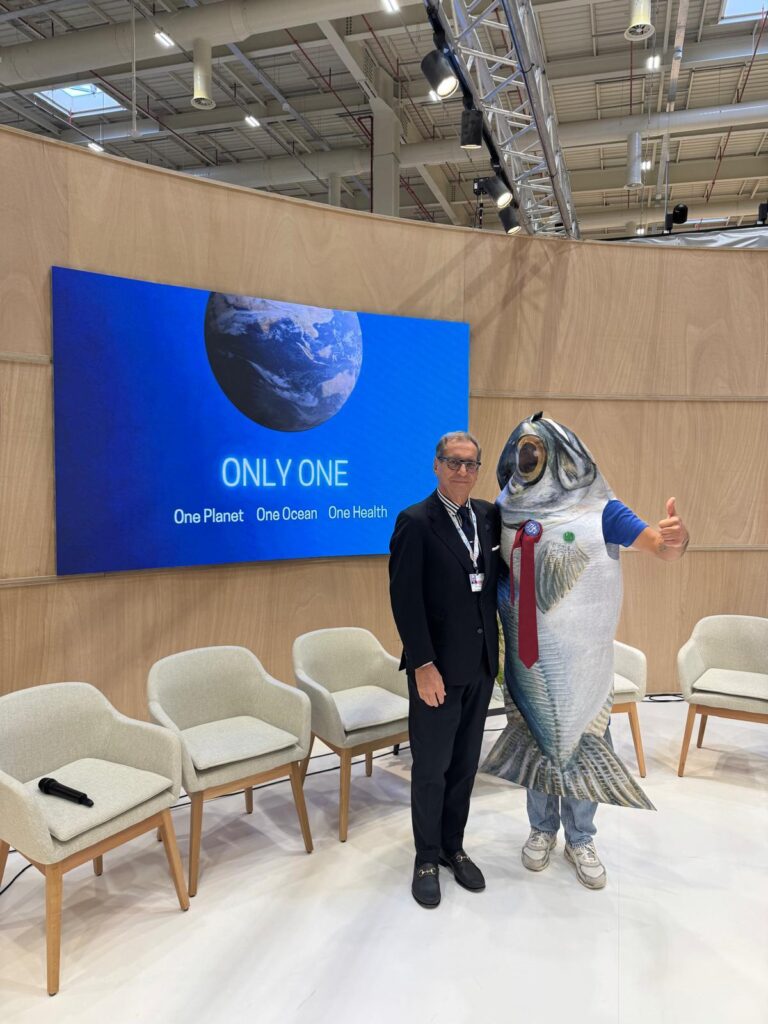
This idea runs through the Foundation’s global ONLY ONE campaign (One Ocean, One Planet, One Health), which connects changes in energy and food systems and the shift towards a circular economy with the choices we make every day.
“Economic considerations still too often take precedence over environmental protection – Giugni explains – We want ecology, the protection of ecosystems and natural capital to be at the heart of political and economic decisions. We also need to change our own behaviour, because everything is interconnected. The health of the ocean, the planet and people is inseparable, and we share one future.”
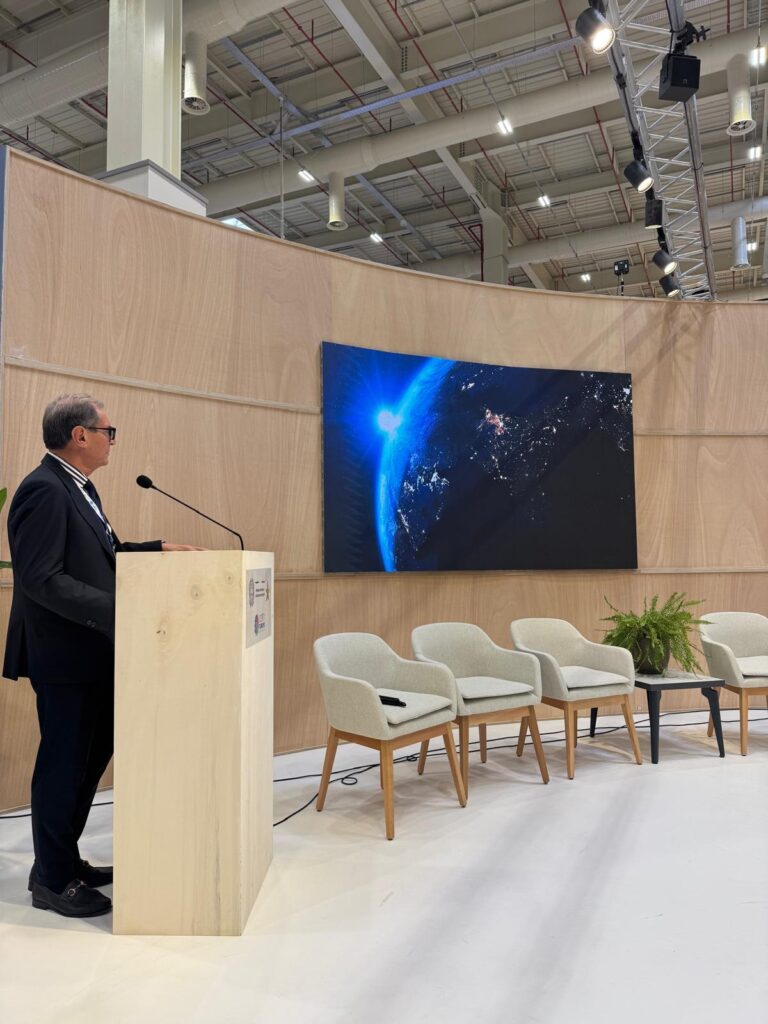
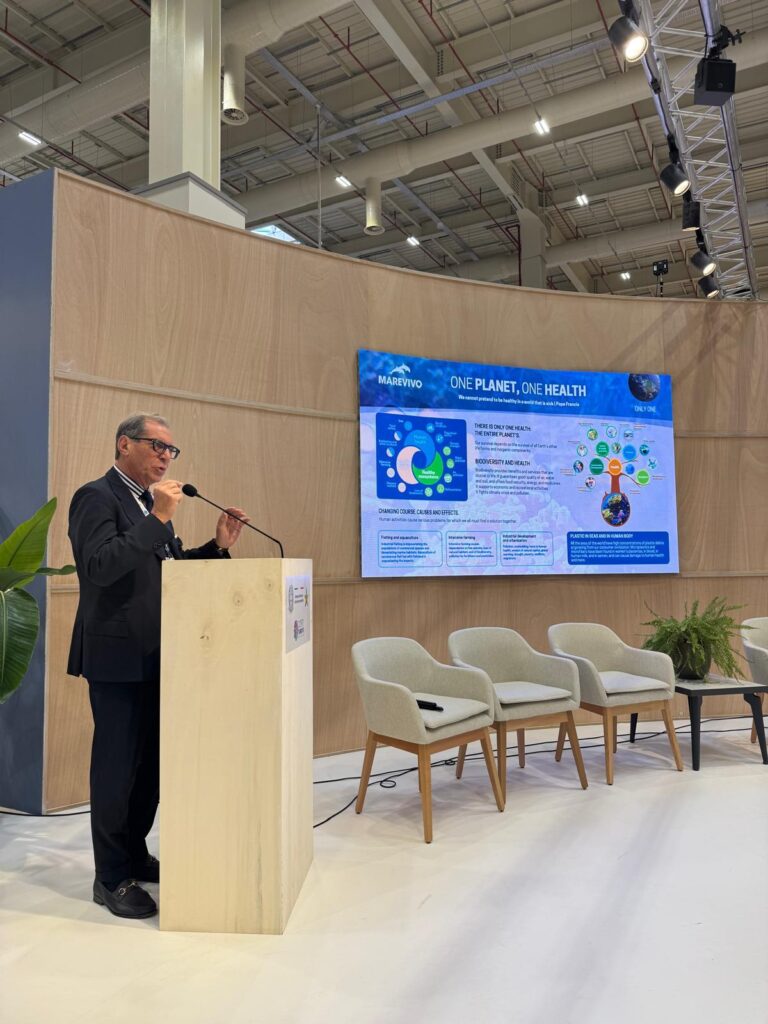
The second event takes place tomorrow at 12.15 pm at the Mediterranean Pavilion. It will focus on marine protected areas (MPAs) and Marevivo’s proposal to the United Nations Environment Programme’s Mediterranean Action Plan (UNEP/MAP), which co-ordinates the Barcelona Convention for the protection of the Mediterranean. Protected areas today focus mainly on individual habitats such as Posidonia seagrass meadows, coralligenous habitats and rocky reefs.
Yet the processes that sustain these habitats follow currents, which carry larvae, nutrients and plankton from one place to another. Protecting an isolated area is like fencing off a garden while leaving the river that waters it unprotected. Marevivo therefore proposes identifying distinct areas of sea based on how their ecosystems function. Shaped by currents, winds and the seabed, these areas are places where water and marine life circulate more within their boundaries than between neighbouring areas, and where organisms at every level of the food web are concentrated, from plankton to large predators.
Mapping these areas would help planners base decisions about how the sea is used on how its ecosystems work. It would also allow them to design connected networks of MPAs that protect both biodiversity and the processes that sustain it. The proposal starts with a biodiversity inventory in selected areas to provide a baseline for management. The next steps are to map these areas and the ecological links between them, then design coherent networks across the Mediterranean basin. MPAs would also help track the health of the sea. Comparing conditions inside and outside their boundaries would show whether protection measures are working.
The proposal draws on the EU Marine Strategy Framework Directive, which requires good environmental status across all marine waters and lists the conservation of biodiversity as the first descriptor for assessing it. Capri is among the examples being presented, as its new marine protected area offers an opportunity to test the approach.
“A shared sea calls for shared responsibility – Giugni concludes – Currents cross borders, carrying the life we want to protect. We are calling for a shift from isolated protected areas to networks that follow natural processes, and for stronger co-operation through the Mediterranean Action Plan so that this proposal can become a programme for the whole region. Healthy ecosystems mean more resilient societies and a shared future for the people of the Mediterranean.”
Since 1985, the Marevivo Foundation has worked to protect the ocean and its resources through research, education, awareness-raising and advocacy in Italy and internationally.