

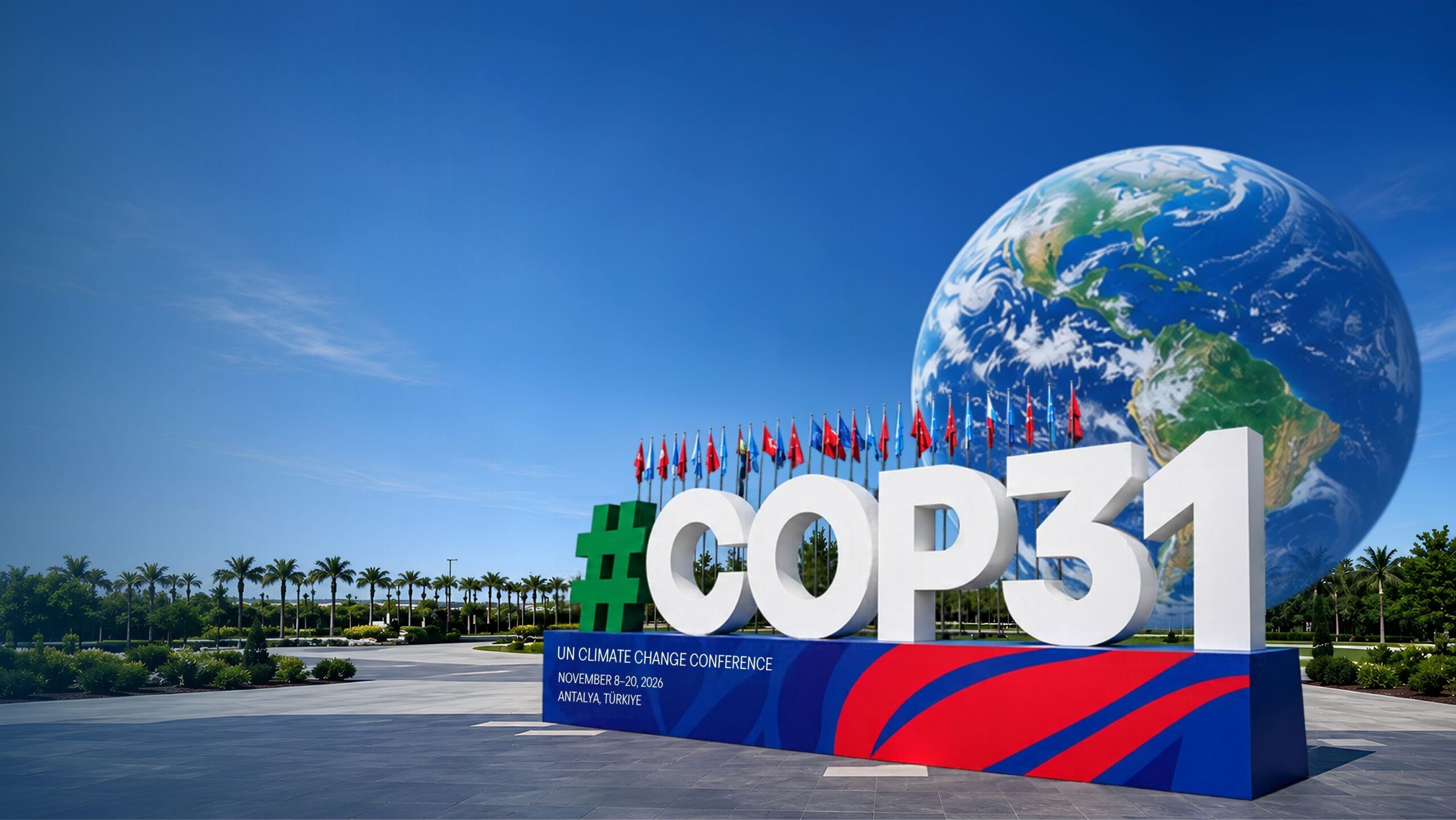
In Antalya, a clash over fossil fuels scuppered the climate pact. For Marevivo, what could have been the ‘blue COP’ ended without the commitments a warming sea needs.
The Mediterranean is burning, and COP31 has ended in a resounding failure. In June, the average sea surface temperature in the Mediterranean reached 24.07°C, the highest ever recorded for that month. Five months later, nearly 200 countries left Antalya without an overarching agreement on how to accelerate the response to the grave climate crisis we are living through. For the Marevivo Foundation, the link between those two events explains why COP31 was “a failure the planet cannot afford”.
The conference ended on 22 November after two extra days of negotiations. The first draft, put forward by Australia, still included a commitment to move away from coal, oil and gas. That reference disappeared from the final version put forward by the Turkish presidency, which retained the push for electrification and the call to speed up the deployment of carbon capture and storage. The Arab group, led by Saudi Arabia and backed by Russia in the final showdown, defended the text. The European Union, alongside the United Kingdom and Vanuatu, rejected it. The dispute, which also extended to climate finance, shattered any prospect of consensus and reopened the debate over whether COP summits can turn commitments into decisions. It seems almost incredible that the EU, itself hamstrung by the unanimity rule, managed to reject the watered-down compromise that the Turkish presidency was asking every country to endorse.
For Marevivo, Europe was absolutely right to reject the text. Accepting it would have been a step back from COP28 in Dubai. ‘Three years ago, in Dubai, the world put in writing for the first time that it needed to move away from fossil fuels. In Antalya, that line was struck out in the very year our sea broke every heat record,’ says Raffaella Giugni, Secretary General of the Marevivo Foundation.
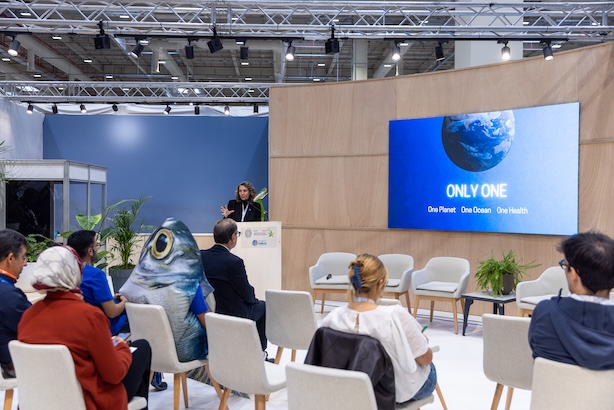
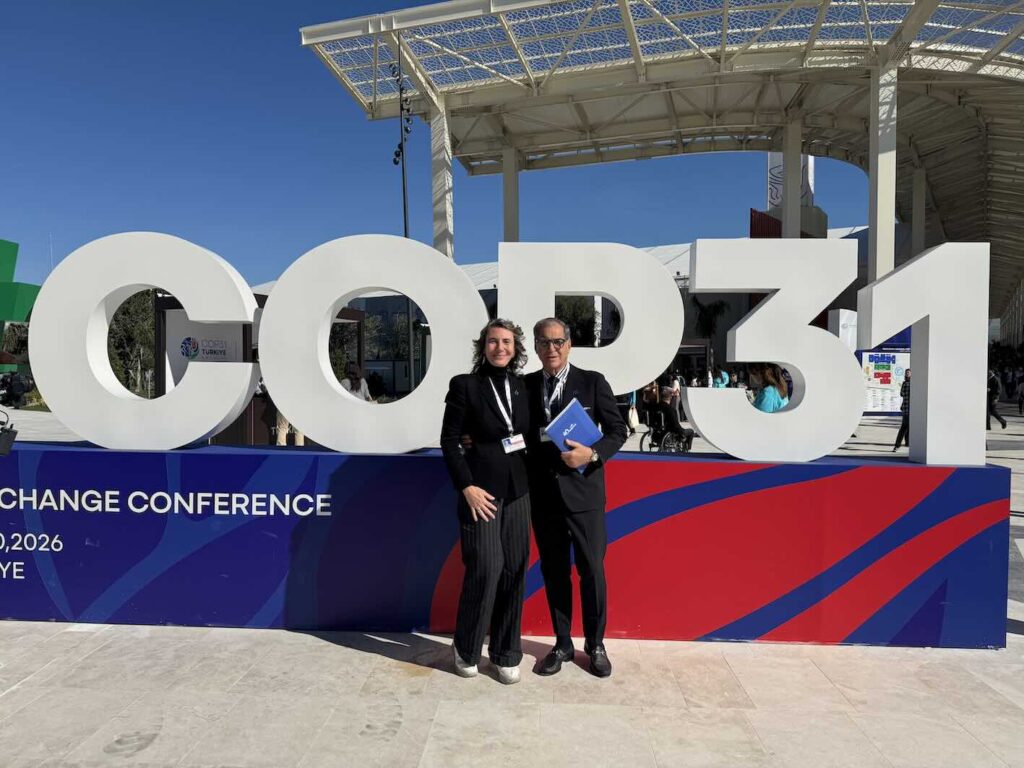
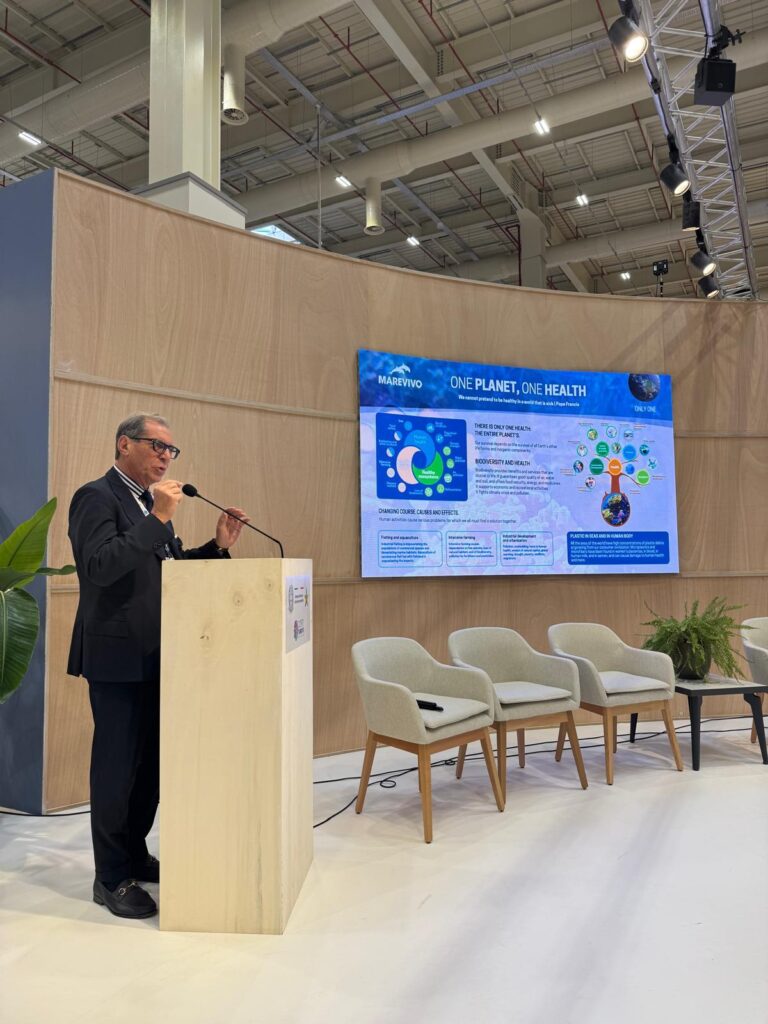
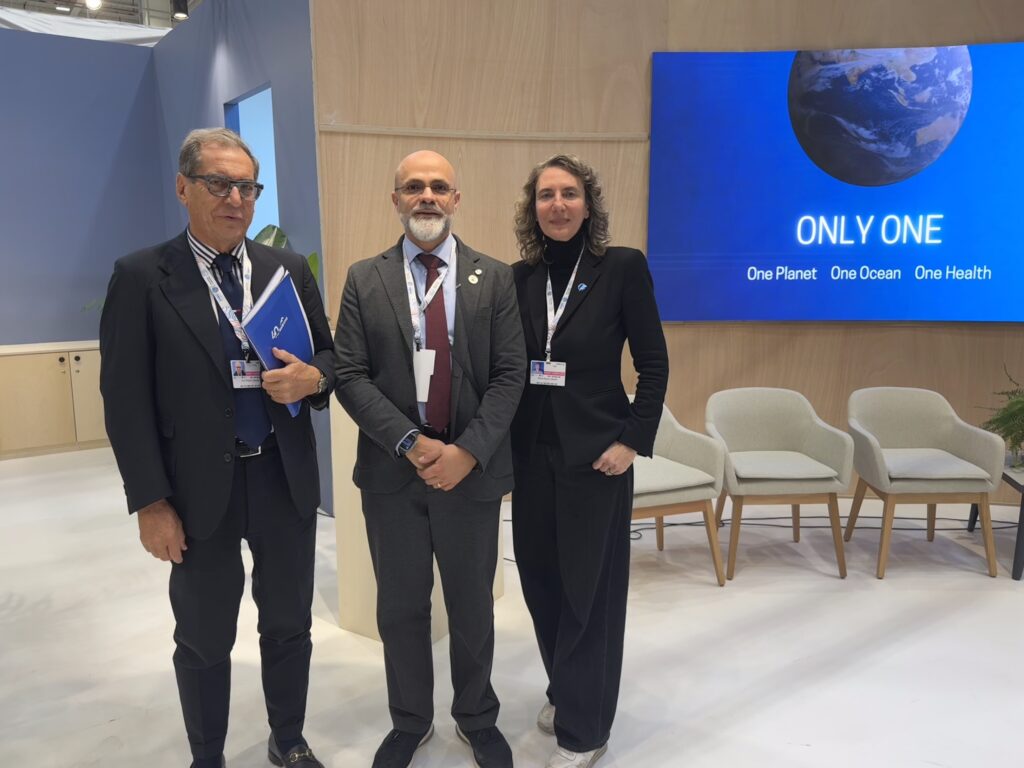
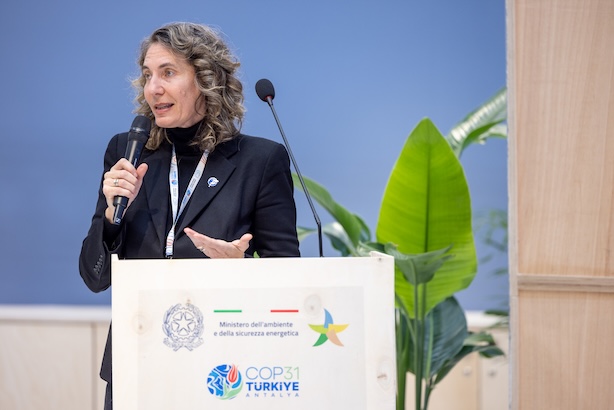
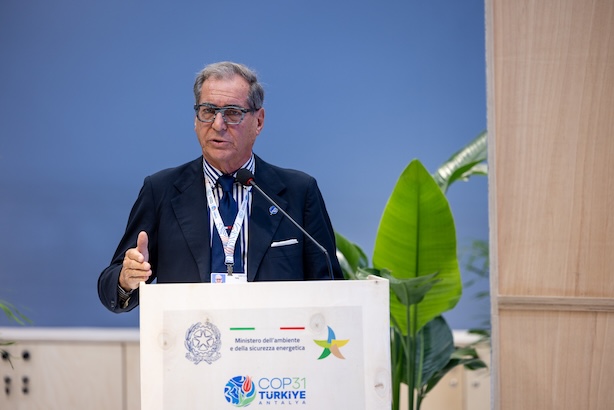
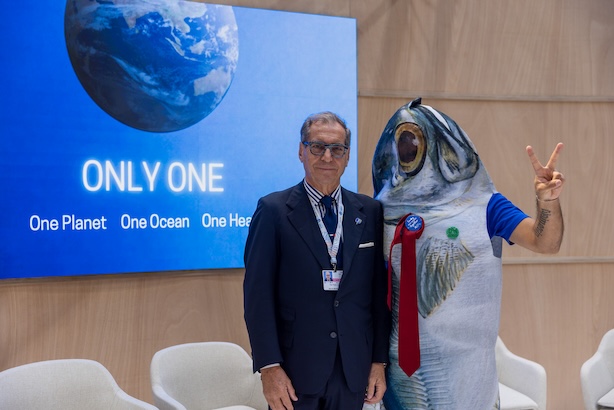
Türkiye and Australia had named the oceans as one of the conference’s priorities. Some decisions were taken in Antalya on other issues, including a just transition for workers and communities that depend on fossil fuels. On the ocean, Marevivo’s assessment is harsher. Warming waters are already bringing marine heatwaves, mass coral die-offs and mounting pressure on Posidonia seagrass meadows. The foundation was calling for funding and clear timelines to protect and restore these ecosystems.
“We made it clear at COP31. We can all see wildfires in forests, but the fire consuming the sea stays beneath the surface. This year’s temperatures tell us there is no time to lose – Giugni says – A sea already running a fever needed a commitment, with funding and deadlines, to protect and restore marine ecosystems. What it got was another round of talks”.
The foundation also takes issue with the Italian government’s role. Prime Minister Giorgia Meloni was absent from the leaders’ summit, Foreign Minister Antonio Tajani’s attendance was cancelled at the last minute, and Environment Minister Gilberto Pichetto Fratin attended only the final stage of the negotiations. Italy did not join the 86 countries that, according to Marevivo, backed the call launched in Belém for a global roadmap to move away from fossil fuels. ‘Italy sits at the heart of the Mediterranean, with nearly 8,000 kilometres of coastline. It had every reason to side with the countries calling for greater ambition,” Giugni says.
Inaction exacts the heaviest toll on natural capital, particularly on seas and oceans. They absorb much of the excess heat from global warming and some of the CO₂ we release by burning oil and gas. Warmer waters make marine heatwaves more likely and contribute to the melting of ice where it meets the ocean, while the CO₂ absorbed makes the water more acidic. The climate crisis will not wait for wars to end, for the next elections or for another round of negotiations. It demands action now.
The next event is “La Terra chiamò” on Saturday 5 December in Rome’s Piazza del Popolo, a national climate demonstration that Marevivo is helping to organise. The foundation will bring three demands to Parliament and the Government. It wants Italy to ratify the UN High Seas Treaty ahead of the first Conference of the Parties in January, extend marine protection to 30% of its waters and ensure those areas are effectively managed, and fund the protection of Posidonia seagrass and corals as a climate adaptation measure.