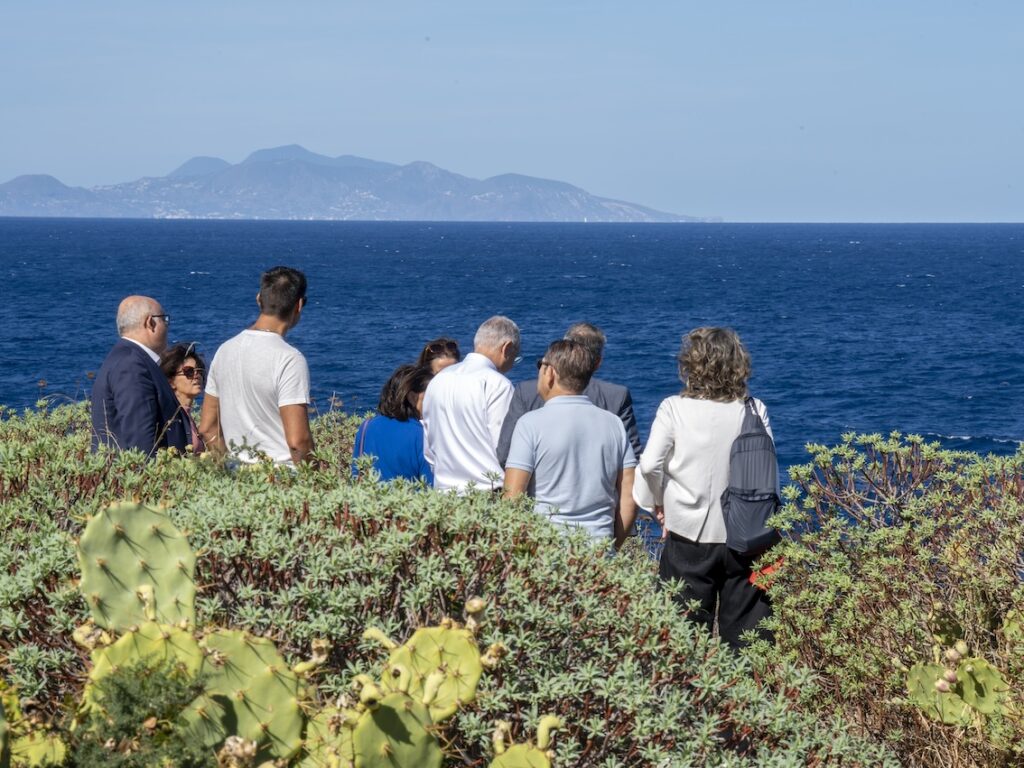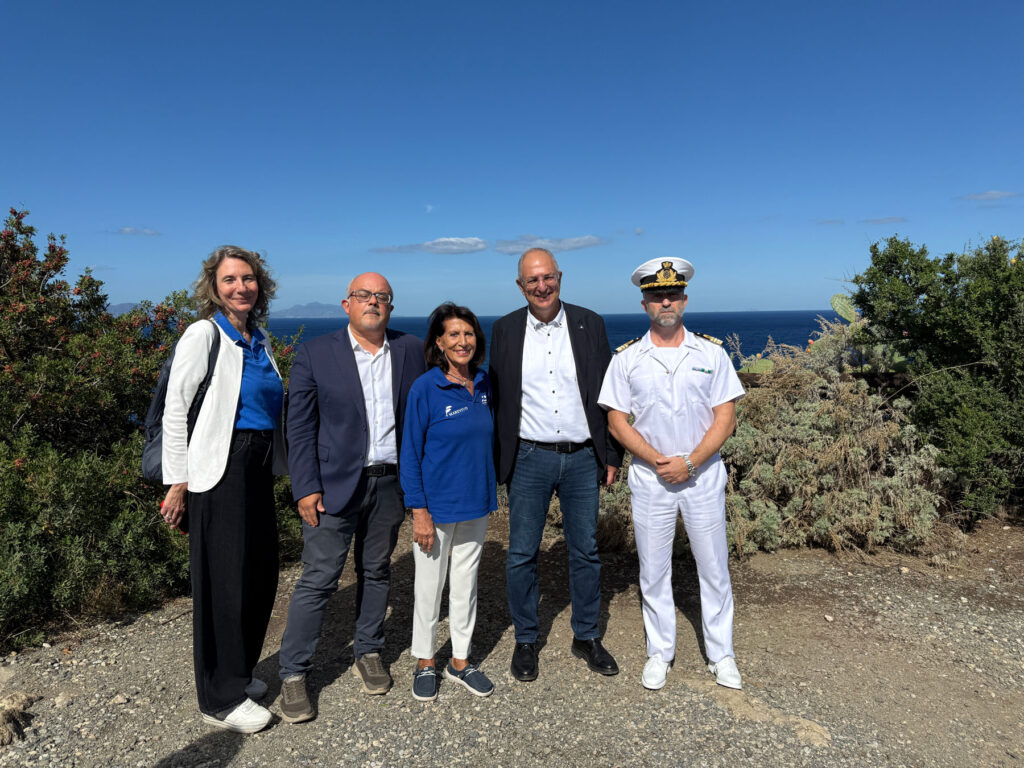


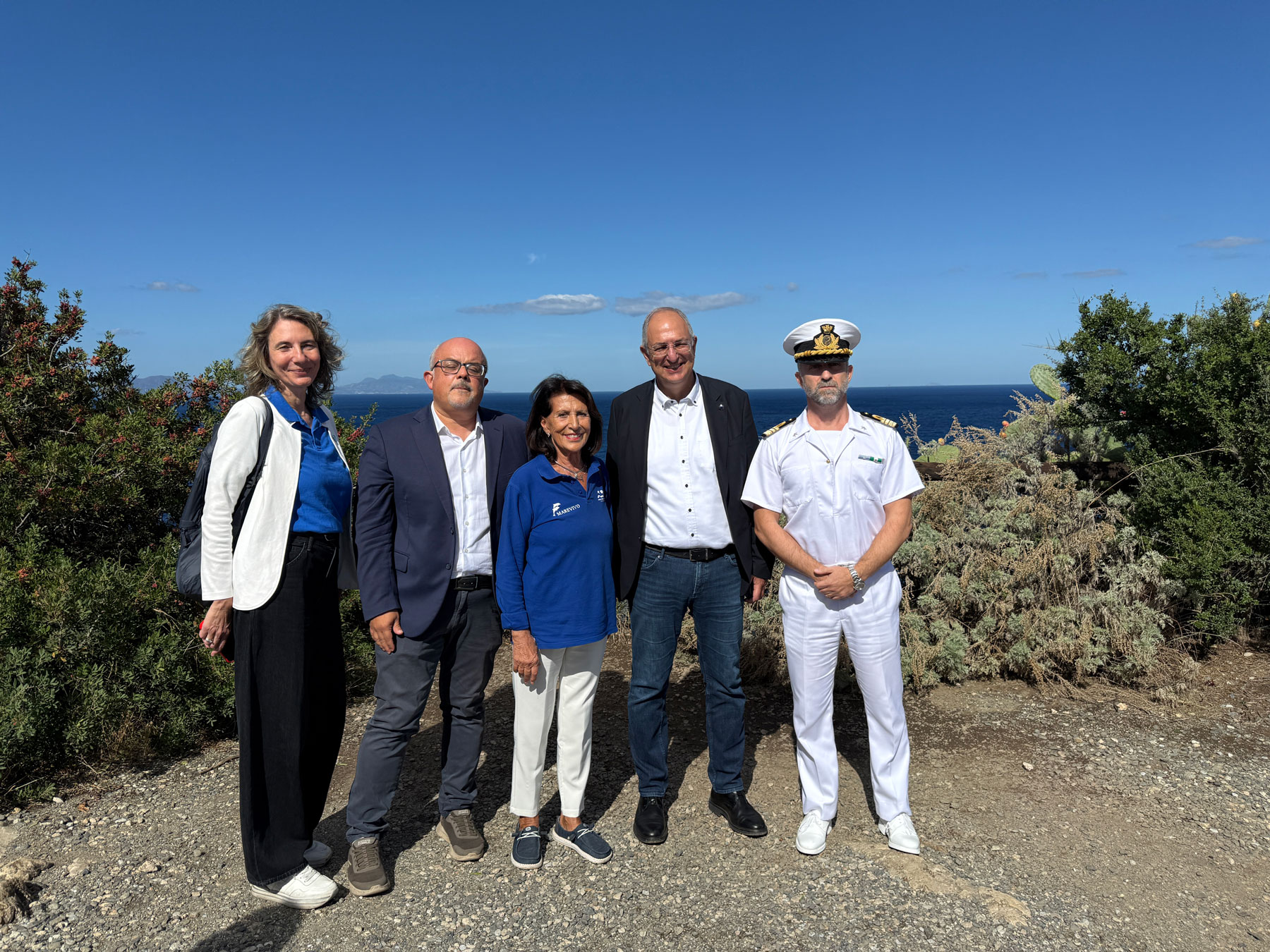
European Commissioner for Fisheries and Oceans Costas Kadis visits the Capo Milazzo Marine Protected Area. Governance, biodiversity, research and sustainable development at the heart of the discussion
A Marine Protected Area is not simply a place to be safeguarded. It can become a living laboratory where biodiversity protection, scientific research, sustainable fishing, environmental education and economic development that respects natural capital all work together.
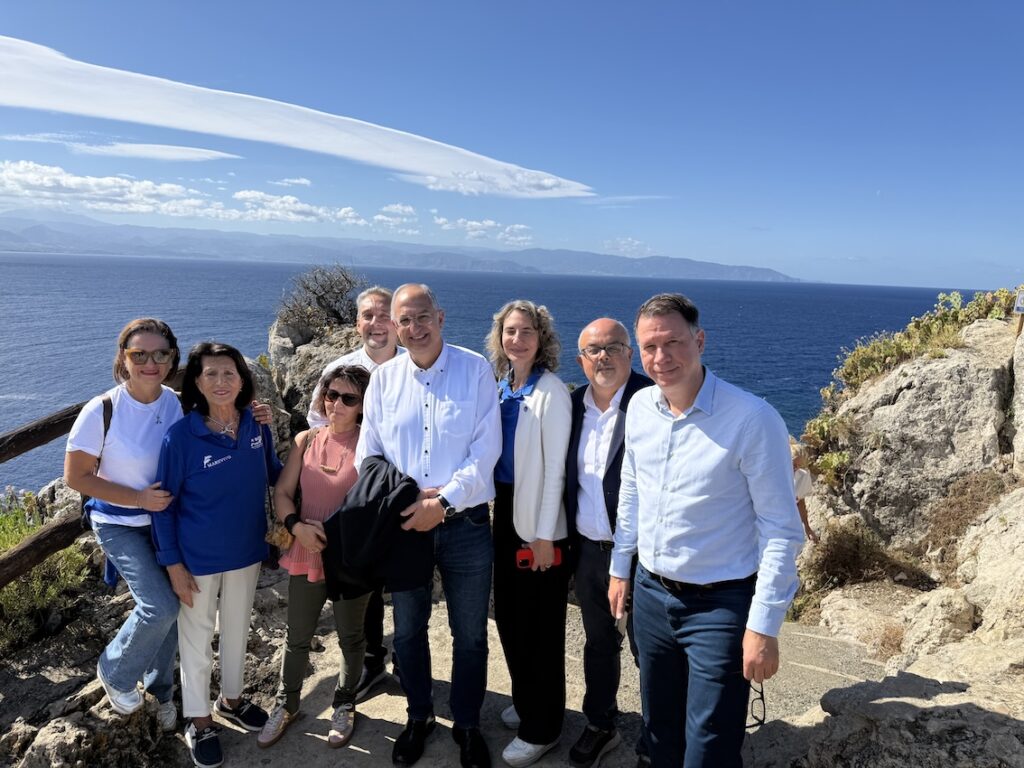
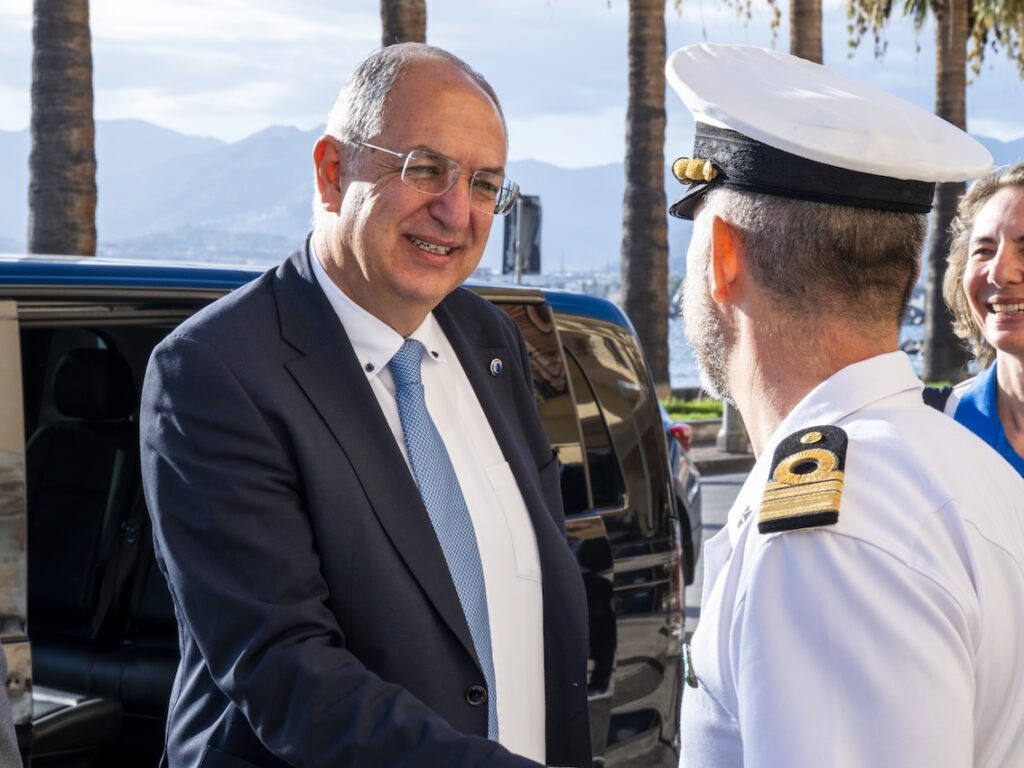
This is the model that European Commissioner for Fisheries and Oceans Costas Kadis saw first-hand during a visit to the Capo Milazzo Marine Protected Area, organised by Marevivo Foundation in cooperation with the MPA as part of his mission to eastern Sicily for the European People’s Party (EPP) Study Days in Taormina.
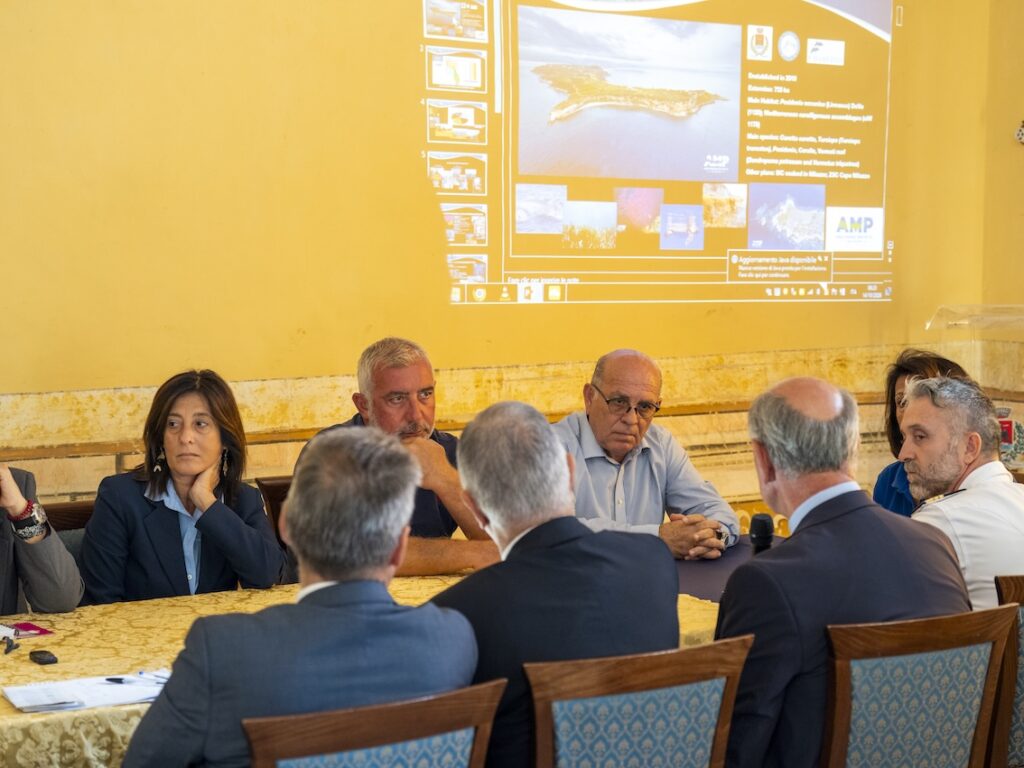
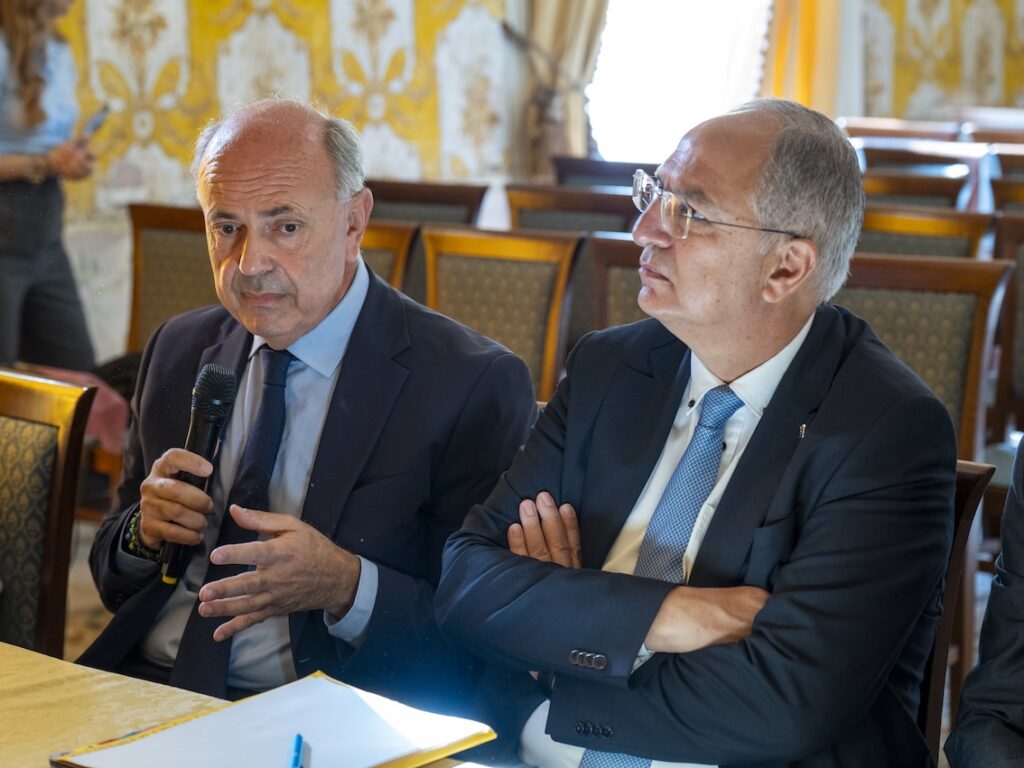
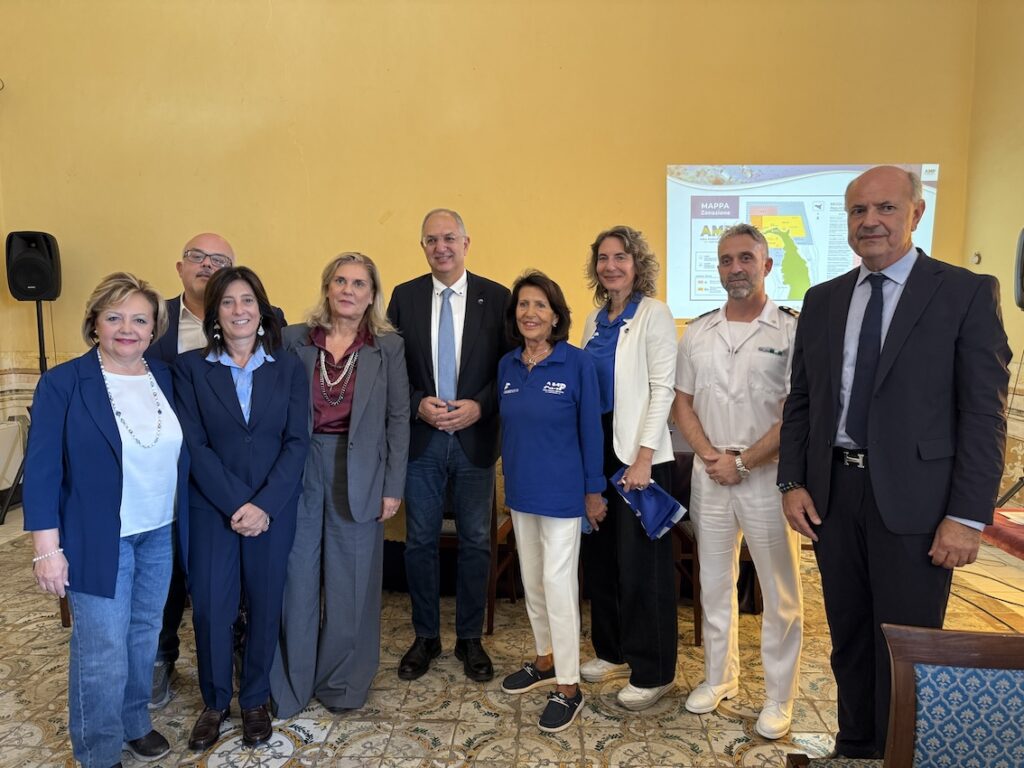
The visit brought together local authorities, scientists, the Coast Guard, fishers, schools and civil society for a technical round table examining the collaborative model developed in the area and discussing the future of Marine Protected Areas.
The consortium responsible for managing the Capo Milazzo MPA – comprising the Municipality of Milazzo, Marevivo Foundation and the University of Messina – is itself an example of cooperation between public institutions, research and civil society. As a member of the consortium, Marevivo promoted and helped make possible this opportunity for direct dialogue with the European Commissioner.
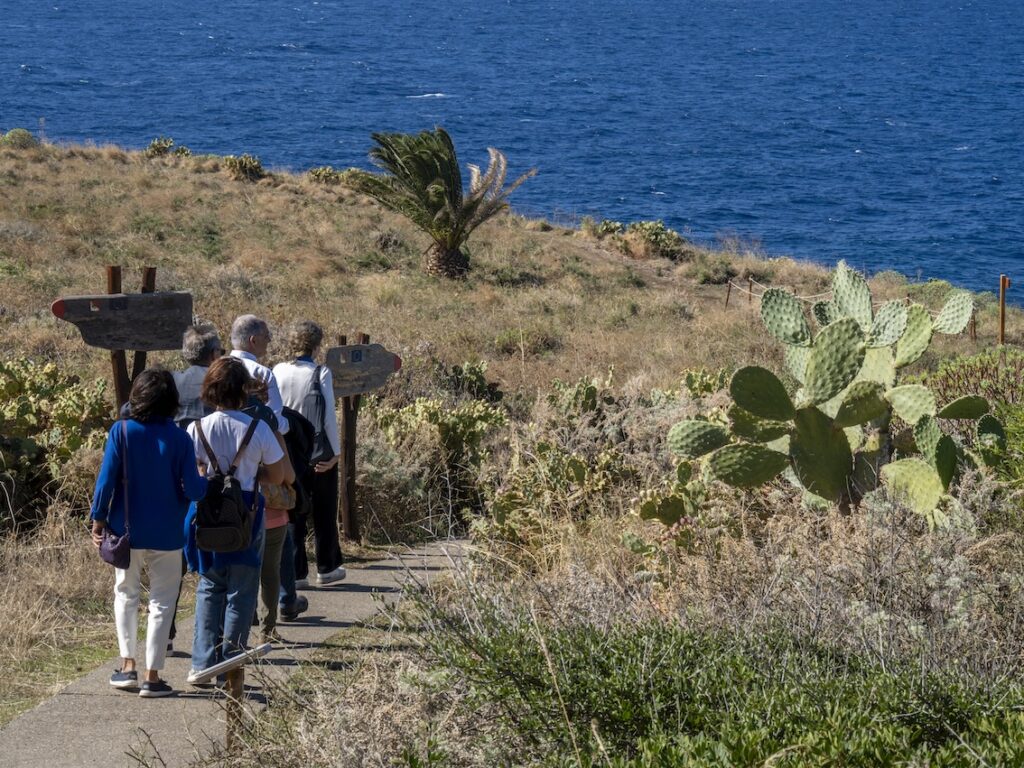
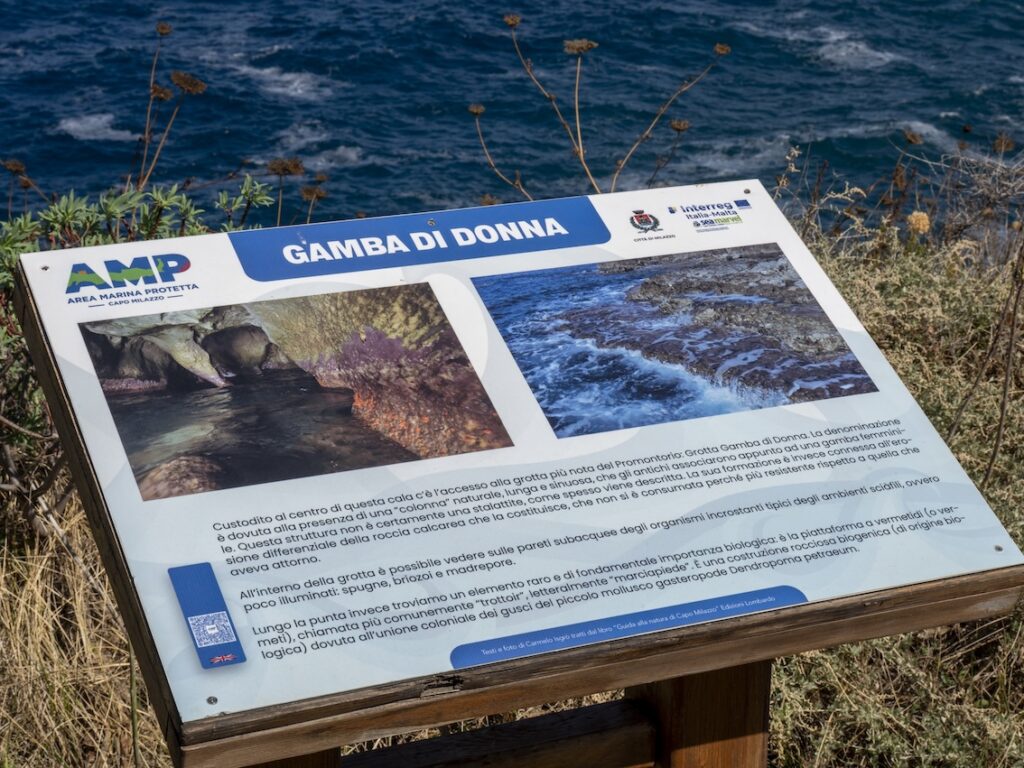
Through the technical round table and a visit to the MPA’s land-based trails, Kadis was able to gain a closer understanding of how the protected area is managed.
“I was impressed by the range and quality of the work being carried out by the Capo Milazzo MPA, from biodiversity protection and sustainable fishing to scientific research and data collection, training and environmental education. It is a tangible example of how protecting marine ecosystems can go hand in hand with engaging local communities and supporting the sustainable development of the area,” said European Commissioner Costas Kadis.
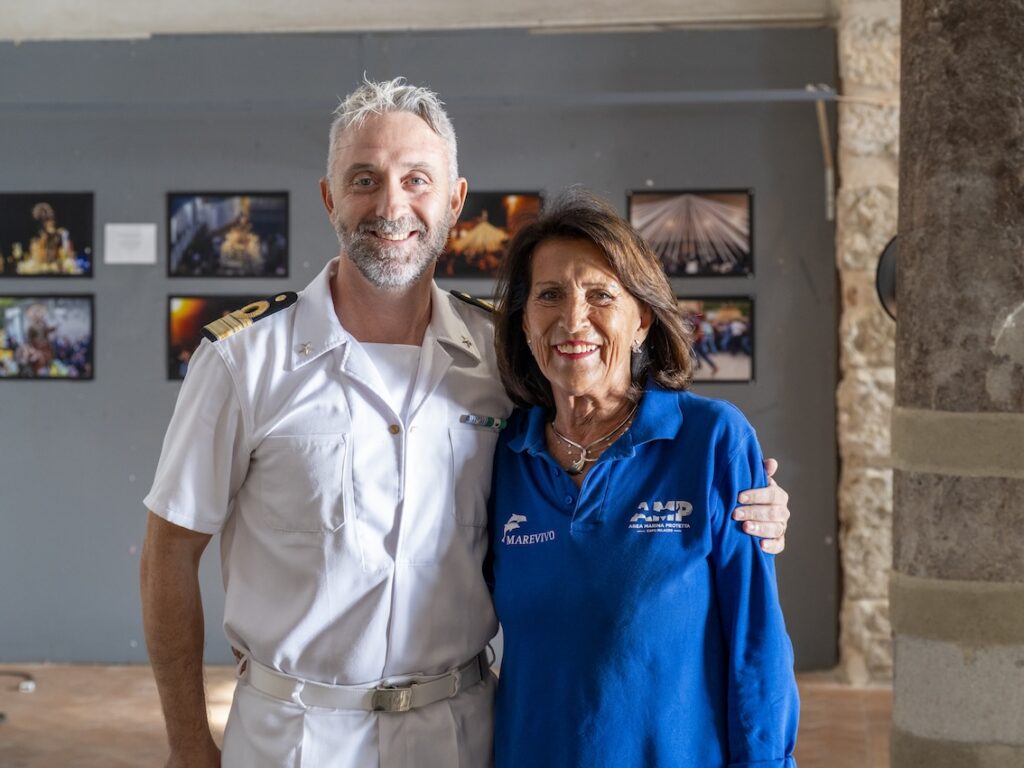
Participants included representatives of local institutions, the research community, the Coast Guard, the fishing sector, schools and civil society. Among them were Mayor of Milazzo Pippo Midili; Marevivo co-founder Carmen Di Penta; Giovanni Mangano, President of the Capo Milazzo MPA; Nunziacarla Spanò, Head of Department at the University of Messina; Commander Giovanni Pigna of the Coast Guard; Teresa Romeo, Director of the Sicily Marine Centre at the Anton Dohrn Zoological Station; Nino Accetta, President of CO.GE.PA.; fisher Giuseppe Nania, representing the sector; and Stefania Scolaro, Headteacher of the Nautical Institute and a member of the municipal executive.
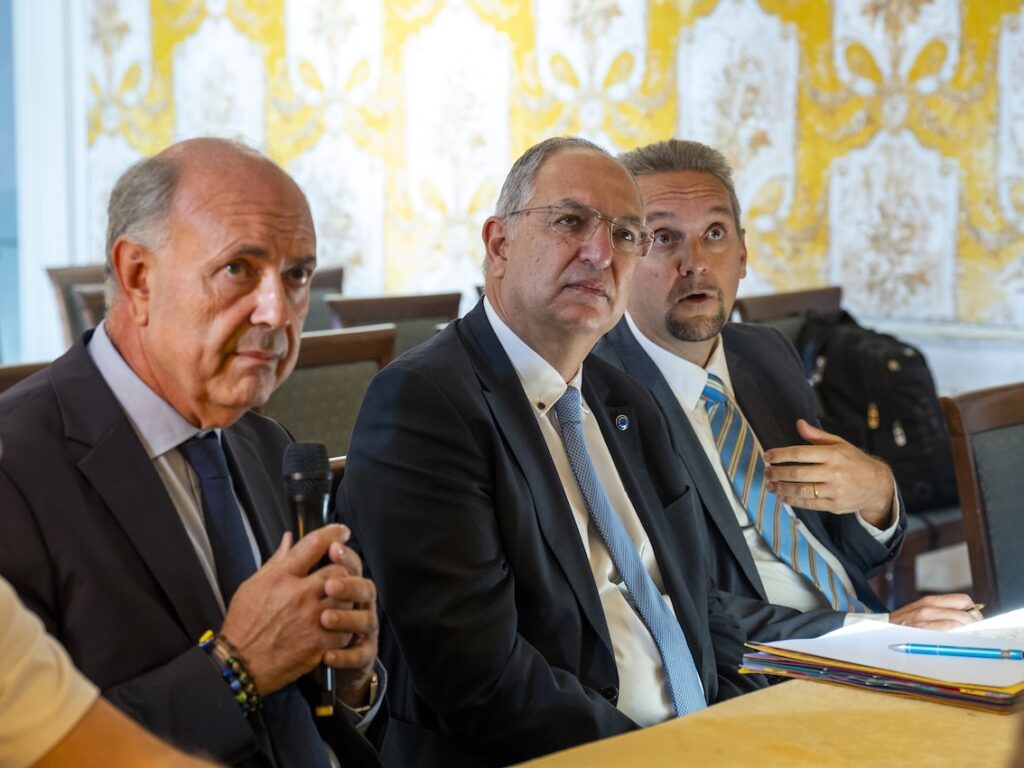
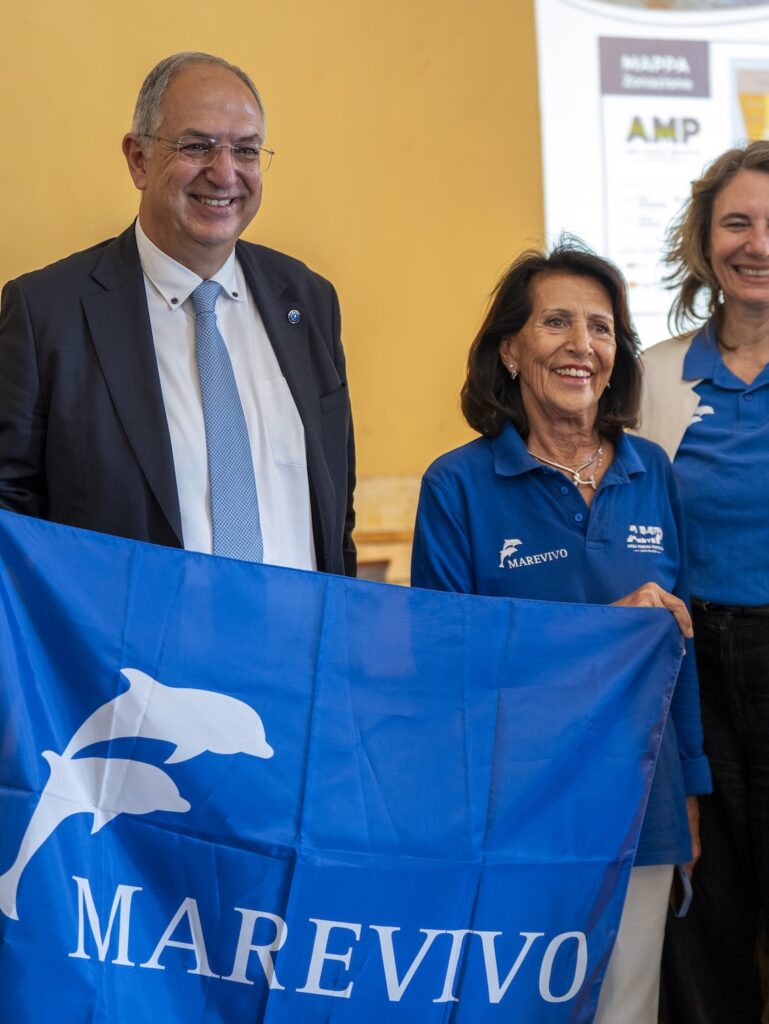
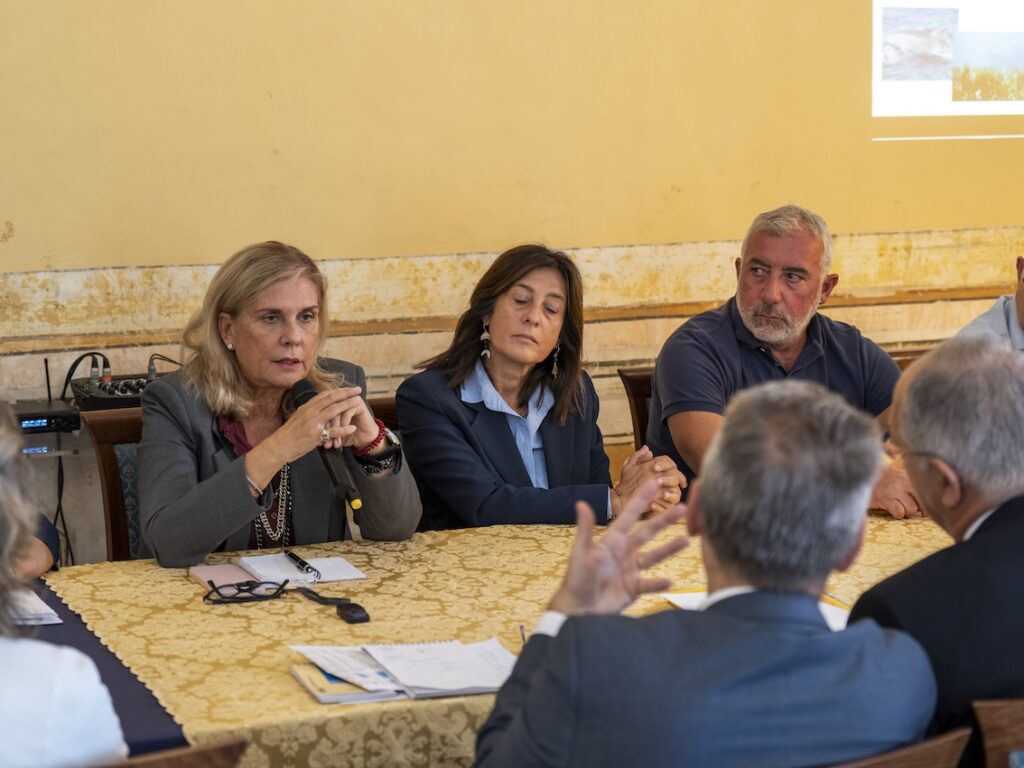
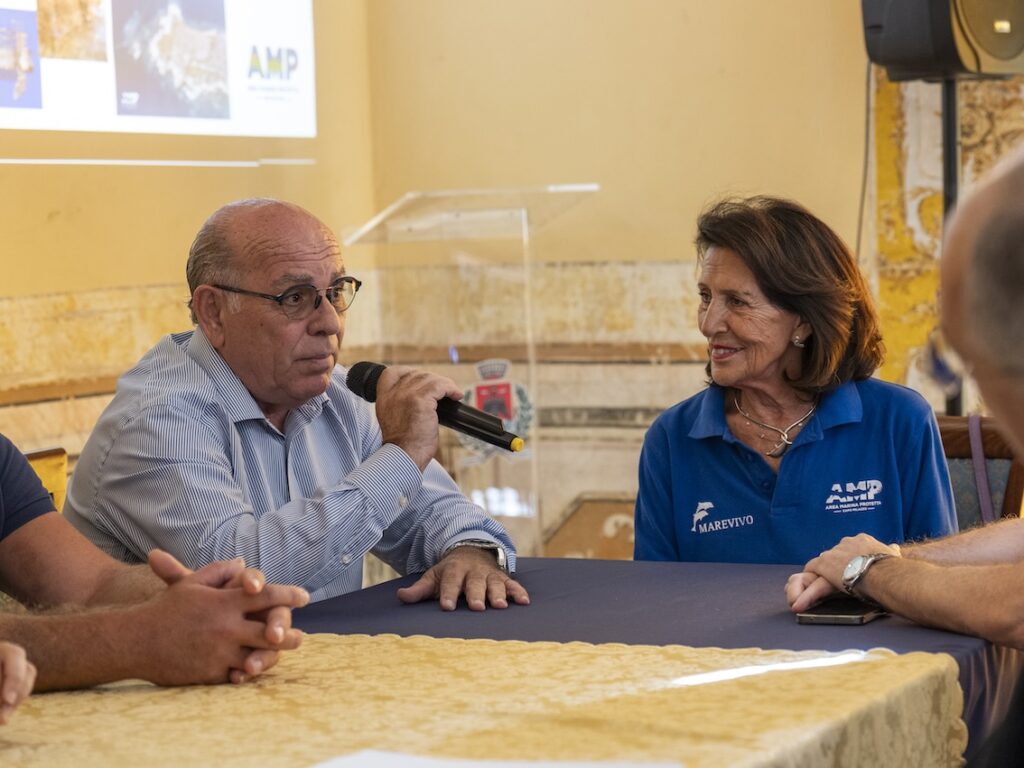
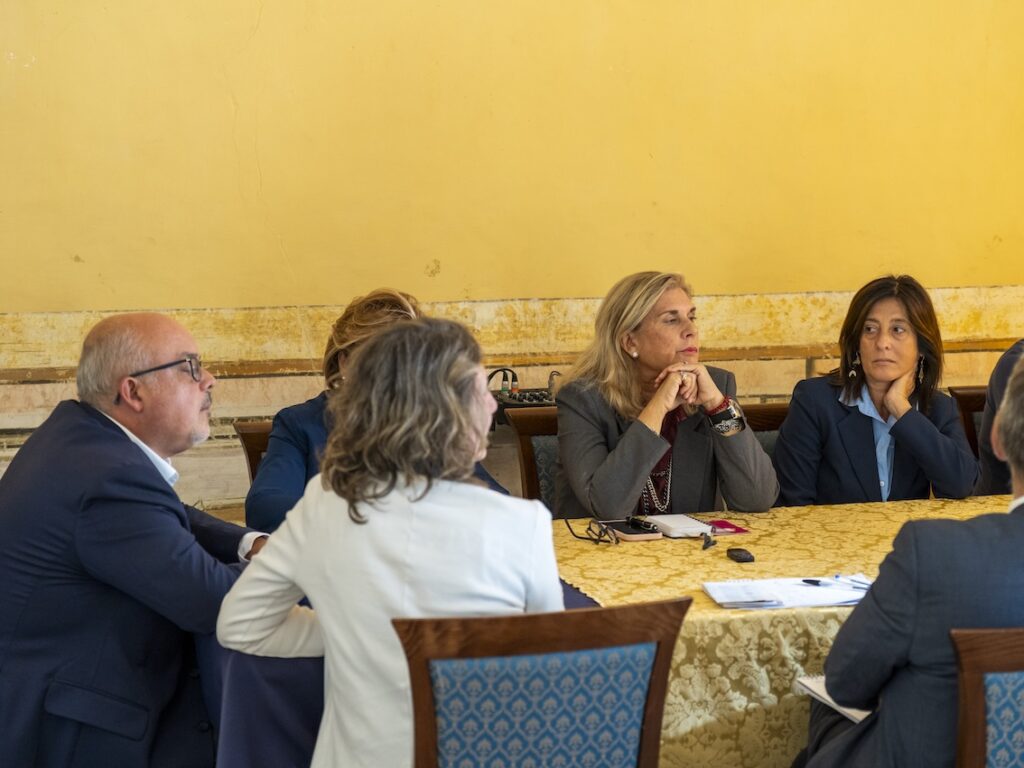
“As during his visit to Marevivo’s Environmental Education Centre at Baia del Corallo on 13 September, Commissioner Kadis was able to see first-hand just how important ocean literacy, science communication and environmental awareness are in raising new generations who understand and respect our natural heritage. Milazzo is a genuine laboratory, showing that a model built on dialogue, cooperation and strong partnerships between different stakeholders is not only possible, but can work in practice,” said Carmen Di Penta, Director of Marevivo Foundation.
The discussion also highlighted the need to strengthen the structure and governance of Marine Protected Areas, placing them on a comparable footing with terrestrial National Parks and recognising them as fully fledged marine parks, with qualified staff, adequate resources and effective monitoring and enforcement tools.
“It is a great source of satisfaction to be able to present the work carried out at Capo Milazzo to such a senior European representative. Our governance model shows how a Marine Protected Area can combine conservation, research and sustainable development, generating benefits that, through the spillover effect, can extend well beyond its boundaries,” said Giovanni Mangano, President of the Capo Milazzo Marine Protected Area.
The underlying principle is straightforward: protecting natural heritage is not an obstacle to development. On the contrary, it creates the conditions for development to endure. Healthy marine ecosystems support tourism, jobs, fisheries, coastal resilience and the quality of life of local communities.
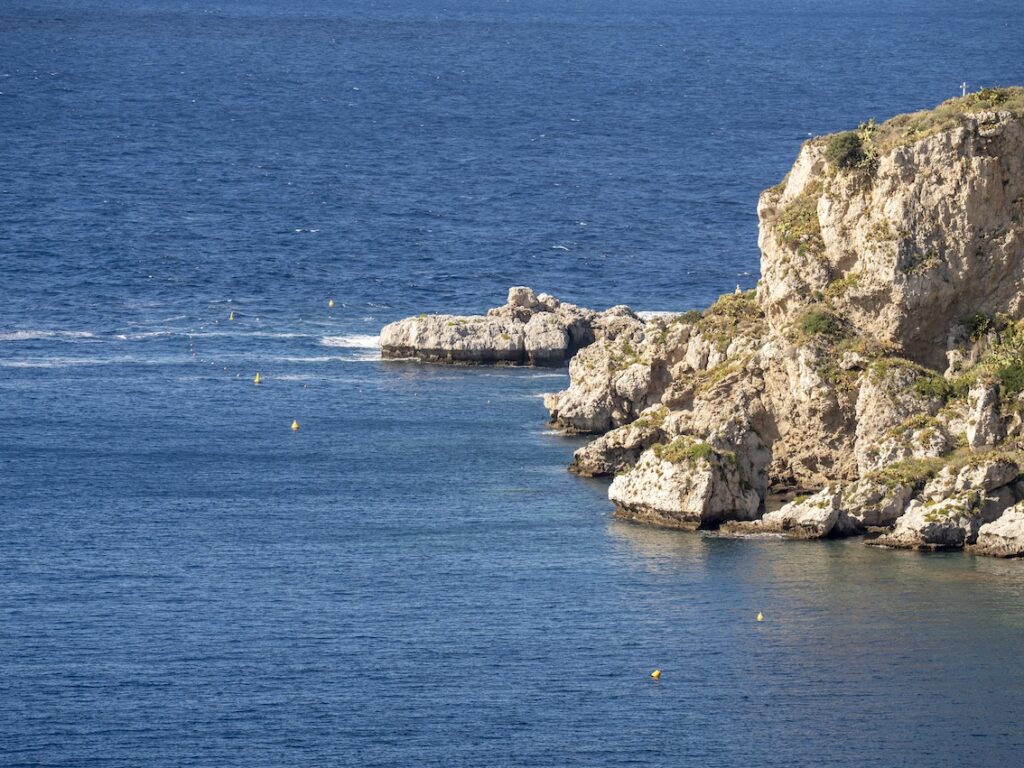
Capo Milazzo shows how a Marine Protected Area can become a place where ecology, research, economic activity and local participation come together to protect and restore the marine environment – and provide a model with relevance across Europe.
Experiences such as this can also help shape the wider debate on the future of Marine Protected Areas in Italy and across Europe.